Coumarin: health benefits, uses and side effects
-
Coumarin belongs to the group of anticoagulants (anticoagulants). It is an aroma that occurs naturally in Chinese cinnamon (to a lesser extent in Ceylon cinnamon), tonka beans and bergamot. When diluted, coumarin has a hay-smelling odor. Too high a dose of coumarin can be harmful to your health. It can lead to liver damage and it can inhibit blood clotting. Coumarin and coumarin-like compounds (coumarin derivatives) are used prophylactically to prevent certain diseases, but for the treatment of various diseases.
What is coumarin?
-
What does coumarin contain? The name coumarin is derived from the Spanish coumarú, the name for the tonka bean tree. This is one of the plants that contain coumarin. In addition, the aroma substance can also be found in wood herb, stone herb, yellow clover, dates, Chinese cinnamon and bergamot. Coumarin has a spicy aromatic scent. The taste is comparable to that of fresh vanilla. If the plant body is injured or dies, sugar will come
Coumarin Applications
-
Medicinal uses Coumarin derivatives are available by prescription and are an anticoagulant to inhibit the formation of blood clots as well as for the treatment of deep vein thrombosis and pulmonary embolism. It can be used to prevent recurrent blood clot formation from atrial fibrillation, thrombotic stroke and TIA (transient ischemic attack). Coumarins are also used to treat lymphedema
-
 11 minMain dishpeanut oil, tofu stir-fry cubes finely seasoned, stir fry sauce sweet and sour, thick noodles, carrot julienne, beetroot julienne, yellow bell pepper, watercress,rainbow salad with tofu
 -
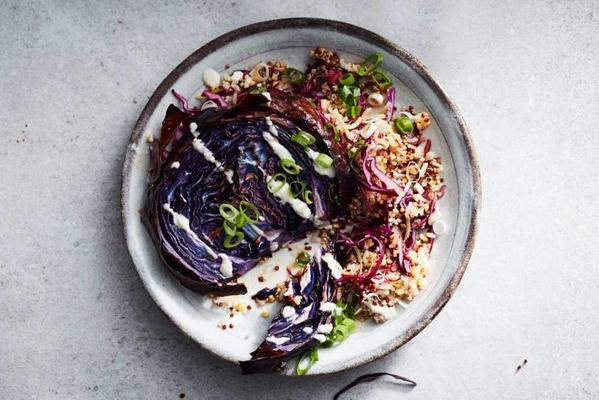 45 minMain dishRed cabbage, mild olive oil, quinoa plus, forest outing, lemon, sesame oil, soy sauce less salt, Bio Today tahini white in pot, tap water,grilled red cabbage with quinoa salad
 -
 30 minDessertBrie, Roquefort, port salut, gruyere, Camembert, walnut, garlic, thyme, honey, grape, baguette, Red onion, red grape, raisins, Red wine, Red wine vinegar, Brown sugar,generous cheese plate with onion marmalade
 -
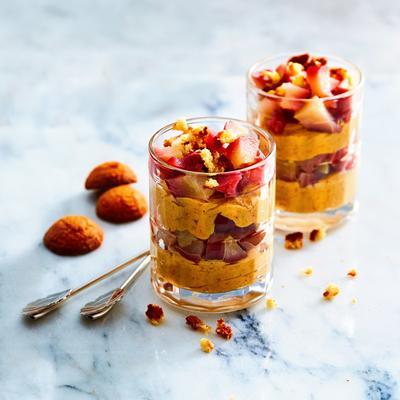 30 minDessertFull Milk, whipped cream, macaroon, custard powder, vanilla sugar, sugar, protein, amaretto, almond liqueur, basic recipe cooking pears,macaroon pastry with casserole
Side Effects
-
Side effects can include headache, narcolepsy (sleepiness), dizziness, vomiting and in rare cases hives, liver damage (and jaundice), life-threatening bleeding (as coumarin inhibits blood clotting), and diarrhea. Long-term use of a lot of coumarin is possibly carcinogenic, according to the Nutrition Center. The risk of taking too much coumarin is significantly less for coumarin in food and cosmetics than for coumarin in pharmaceuticals. Pregnant women, patients with liver dysfunction or failure, gastric and duodenal ulcers, untreated high blood pressure, traumatic brain injury, cerebral aneurysm and tendency to fall should not use coumarin-containing drugs.
-
Side effects may include headache, narcolepsy (drowsiness), dizziness, vomiting and in rare cases hives, liver damage (and jaundice), life-threatening bleeding (as coumarin inhibits blood clotting), and diarrhea. Long-term use of a lot of coumarin is possibly carcinogenic, according to the Nutrition Center. The risk of taking too much coumarin is significantly less for coumarin in food and cosmetics than for coumarin in pharmaceuticals. Pregnant women, patients with liver dysfunction or failure, gastric and duodenal ulcers, untreated high blood pressure, traumatic brain injury, cerebral aneurysm and tendency to fall should not use coumarin-containing drugs.