Epsom salt: health benefits and side effects Epsom salt
-
Epsom salt, Epsom salt, Epsom salt, or magnesium sulfate can be used for many purposes. Epsom salt has a long history and has many applications ranging from health problems to aesthetic benefits and even domestic and horticultural uses. Both magnesium and sulfate are critical to your health. Epsom salt is easily absorbed by the skin; thus it can be added to baths. The substance can also be applied to the skin as a cosmetic product or taken by mouth as a laxative. Magnesium, which plays a key role in regulating more than 300 enzymes, is essential for physiological functions such as normal heart rhythm, muscle contraction and bone formation. Many people are deficient in magnesium. Epsom salt baths can help. Sulphate plays a key role in forming protein structures, converting food into energy and maintaining proper insulin function.
What is Epsom salt?
-
What is known as 'Epsom salt' is not the same as the salt you use in your food. That salt consists of sodium chloride, while Epsom salt is a natural mineral compound of magnesium
Taking an Epsom salt bath
-
Everyone has their own special way of taking an Epsom salt bath, but these are the basics. Fill the bath with water. The water should be very warm, but not too hot; still comfortable to touch. While the bath water is running, slowly pour the salt near the faucet to let it dissolve. Put between one and two cups of salt in the bath. If you want to treat yourself, you can add some essential oils (lavender)
-
 11 minMain dishpeanut oil, tofu stir-fry cubes finely seasoned, stir fry sauce sweet and sour, thick noodles, carrot julienne, beetroot julienne, yellow bell pepper, watercress,rainbow salad with tofu
 -
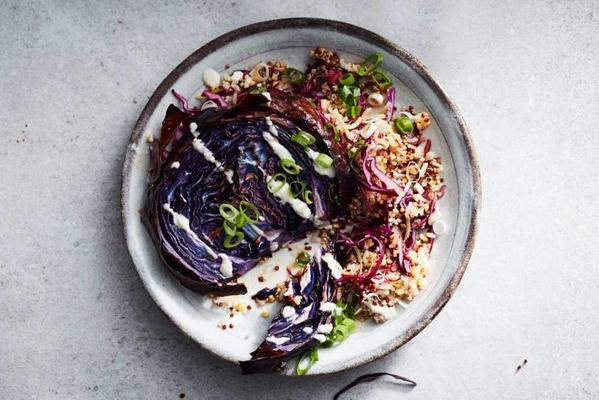 45 minMain dishRed cabbage, mild olive oil, quinoa plus, forest outing, lemon, sesame oil, soy sauce less salt, Bio Today tahini white in pot, tap water,grilled red cabbage with quinoa salad
 -
 30 minDessertBrie, Roquefort, port salut, gruyere, Camembert, walnut, garlic, thyme, honey, grape, baguette, Red onion, red grape, raisins, Red wine, Red wine vinegar, Brown sugar,generous cheese plate with onion marmalade
 -
 30 minDessertFull Milk, whipped cream, macaroon, custard powder, vanilla sugar, sugar, protein, amaretto, almond liqueur, basic recipe cooking pears,macaroon pastry with casserole
Side effects of Epsom salt
-
Bathing in an Epsom salt bath or other topical applications (application to the skin) is generally very safe. Taking Epsom salt, for example to treat constipation, requires a little more caution. Although Epsom salt does not contain questionable chemicals and artificial substances like most commercial laxatives, it is recommended that you follow the instructions carefully and never take more than is stated on the label. You may feel bloated and have liquid or soft stools. In certain situations, if you are dehydrated, an open wound or burns
-
Bathing in an Epsom salt bath or other topical applications (application to the skin) is generally very safe. Taking Epsom salt, for example to treat constipation, requires a little more caution. Although Epsom salt does not contain questionable chemicals and artificial substances like most commercial laxatives, it is recommended that you follow the instructions carefully and never take more than is stated on the label. It can cause bloating and liquid or soft stools. In certain situations, if you are dehydrated, an open wound or burns