Poisonous plants: tannins, proteins and oxalic acid
-
We assume that the food we eat every day is non-toxic. In most cases this is also the case. Nevertheless, there are a number of substances that are in products that must be watched out for. In small quantities they are usually not yet poisonous, in larger quantities they are. Some of these substances are: tannin, lectin and oxalic acid.
Tannins
-
Tannins are also called tannins. Tannins are common components of leaves, fruits and wood of many plant species. Typically, the tannin content in a plant increases over the season. Tannins are not toxic to a small extent, they are simply eaten by humans and animals. When a part of a plant contains a very high tannin concentration, an animal will in most cases react negatively. Eating constituents with a large amount of tannin is not pleasant because it tastes very bitter and it gives an astringent feeling. Humans have used this astringent effect to turn animal skins into leather for thousands of years. Despite these warnings from the plant, poisonings still occur, for example by eating a large amount of oak leaves.
Proteins
-
Proteins can be made harmless by heating. Raw legumes cannot be eaten because they contain a toxic protein, when the legumes are heated the structure of the protein changes and it is no longer toxic. In animal feeds that contain legumes that have not been heated enough, you will notice a slowdown in growth and a decreased appetite in your animal. Toxic proteins are of two different types: lectins and proteinase inhibitors.
-
 11 minMain dishpeanut oil, tofu stir-fry cubes finely seasoned, stir fry sauce sweet and sour, thick noodles, carrot julienne, beetroot julienne, yellow bell pepper, watercress,rainbow salad with tofu
 -
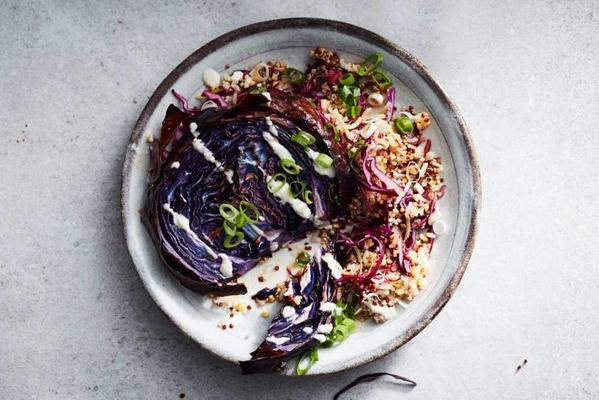 45 minMain dishRed cabbage, mild olive oil, quinoa plus, forest outing, lemon, sesame oil, soy sauce less salt, Bio Today tahini white in pot, tap water,grilled red cabbage with quinoa salad
 -
 30 minDessertBrie, Roquefort, port salut, gruyere, Camembert, walnut, garlic, thyme, honey, grape, baguette, Red onion, red grape, raisins, Red wine, Red wine vinegar, Brown sugar,generous cheese plate with onion marmalade
 -
 30 minDessertFull Milk, whipped cream, macaroon, custard powder, vanilla sugar, sugar, protein, amaretto, almond liqueur, basic recipe cooking pears,macaroon pastry with casserole
Oxalic acid
-
Oxalic acid and its salts, oxalates, are very much present in the plant world. It protects the plants from herbivory, it irritates the teeth of insects. Rhubarb and sorrel contain a fairly high concentration of oxalic acid, which also gives the very extreme taste of these products. Cocoa and spinach also contain oxalic acid. Oxalic acid is only toxic when it occurs in a very high concentration. In the bloodstream they can form a substance called calcium oxalate, the presence of this substance causes a shortage of calcium ions. The calcium oxalates can also cause kidney damage. Ruminants are less sensitive to oxalates than humans and other animal species. This is because the oxalates are partly converted by microorganisms in the rumen into the less harmful formic acid and into carbonic acid.
-
Oxalic acid and its salts, oxalates, are very much present in the plant world. It protects the plants from herbivory and irritates the teeth of insects. Rhubarb and sorrel contain a fairly high concentration of oxalic acid, which also gives the very extreme taste of these products. Cocoa and spinach also contain oxalic acid. Oxalic acid is only toxic when it occurs in a very high concentration. In the bloodstream they can form a substance called calcium oxalate, the presence of this substance causes a shortage of calcium ions. The calcium oxalates can also cause kidney damage. Ruminants are less sensitive to oxalates than humans and other animal species. This is because the oxalates are partly converted by microorganisms in the rumen into the less harmful formic acid and into carbonic acid.