Stevia and steviosides, sweetening power
-
Stevioside and rebaudioside A, the main sweeteners in the leaves of Stevia rebaudiana (Bertoni) Bertoni, taste about 300 times sweeter than sucrose. Rebaudioside A contains one more glucose unit with respect to stevioside. All sweeteners from Stevia are collectively referred to as steviol glycosides. These sweeteners are very safe to use and do not have the drawbacks of sugar.
Stevioside
-
Stevioside is a good alternative to sugar. The annual costs for the treatment of the aforementioned disease symptoms can be estimated at a minimum of 5 billion euros in Belgium and more than 230 billion euros in Europe. This is a lot of money and the sum covers the purchase of medicines, hospitalization, amputations, care of eye problems up to blindness, treatment of cardiovascular problems, special diets, dental care, costs for the medical staff, etc.
Low doses
-
The benefits of steviol glycosides used as a sweetener or as a dietary supplement (maximum daily intake estimated to be less than 200 mg per person) are manifold: they are stable, without calories and they contribute to good dental hygiene by limit sugar intake. These low doses are safe in all respects for healthy people, but also for diabetics (types 1 and 2), phenylketonuria patients, Candida patients and overweight people. These low doses only have sweetening effects without pharmacological properties.
-
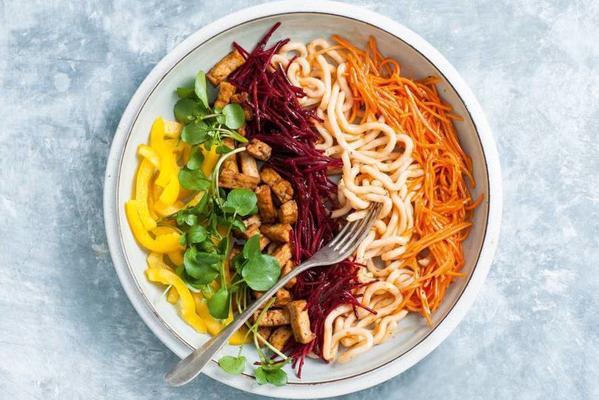 11 minMain dishpeanut oil, tofu stir-fry cubes finely seasoned, stir fry sauce sweet and sour, thick noodles, carrot julienne, beetroot julienne, yellow bell pepper, watercress,rainbow salad with tofu
 -
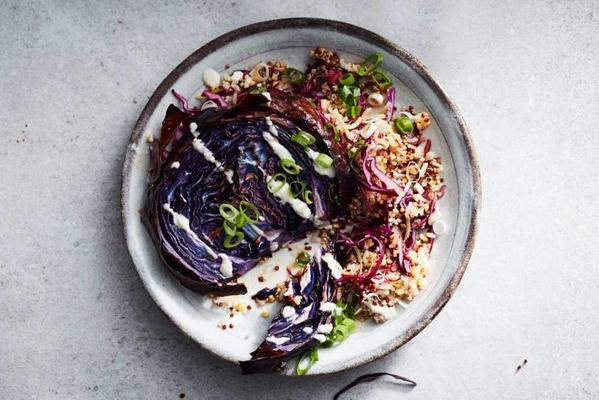 45 minMain dishRed cabbage, mild olive oil, quinoa plus, forest outing, lemon, sesame oil, soy sauce less salt, Bio Today tahini white in pot, tap water,grilled red cabbage with quinoa salad
 -
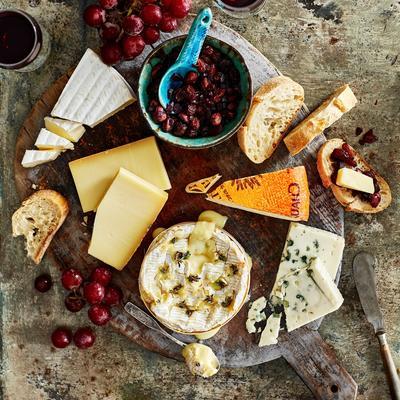 30 minDessertBrie, Roquefort, port salut, gruyere, Camembert, walnut, garlic, thyme, honey, grape, baguette, Red onion, red grape, raisins, Red wine, Red wine vinegar, Brown sugar,generous cheese plate with onion marmalade
 -
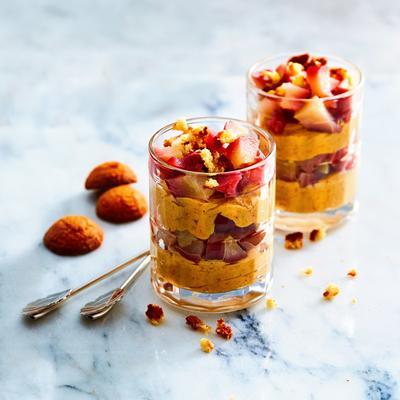 30 minDessertFull Milk, whipped cream, macaroon, custard powder, vanilla sugar, sugar, protein, amaretto, almond liqueur, basic recipe cooking pears,macaroon pastry with casserole
Pharmacological effects in higher dose
-
Intake of high doses of stevioside (250 mg to 500 mg three times daily) may lower blood pressure in patients with hypertension but normal blood glucose levels (Chan et al., 2000; Hsieh et al., 2003). Measured parameters in the blood, including lipids and glucose, did not show significant differences. No negative effects were observed and there was a marked increase in quality of life. No decrease in male potency was observed (Hsieh et al., 2003).
Stevia, sweet and healthy
-
Stevia can, technically, certainly not replace sugar everywhere, but it can ensure that we use less sugar, reducing many contemporary health problems (diabetes, tooth decay, obesity ...).
-
Technically speaking, stevia can certainly not replace sugar everywhere, but it can ensure that we use less sugar, reducing many contemporary health problems (diabetes, tooth decay, obesity ...).