A vitamin A deficiency
-
Vitamin A is indispensable for your resistance, growth and health of skin, hair and eyes. How does your body react if you do not get enough of this vitamin? And what about a surplus and during a pregnancy?
-
Adult men need about 1000 micrograms of vitamin A per day. This is equivalent to about three slices of bread with liver paste. For women, about 800 micrograms per day. Vitamin A deficiency is rare in the Netherlands, but it is still a major problem in developing countries. With good health and a varied diet, it is almost never necessary to take extra vitamin A - except on the advice of a doctor. People with liver or pancreas complaints are sometimes sensitive to developing a vitamin A deficiency.
Shortage
-
Before there is a deficiency, you should have eaten little or no foods that contain vitamin A or beta-carotene for a longer period of time. Because vitamin A affects the immune system, you will quickly suffer from a reduced resistance. Skin problems, dull hair and reduced teeth are also symptoms. With a chronic vitamin A deficiency, there is a disturbance in vision. Night blindness is the first symptom of this. This night blindness can progress to total blindness from a disease called xerophthalmia. This disease is a major cause of blindness, especially in developing countries.
-
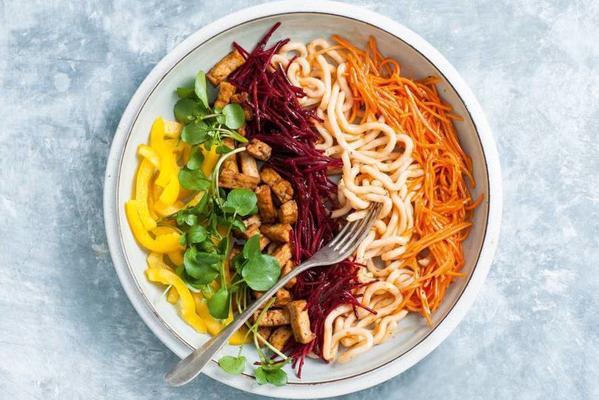 11 minMain dishpeanut oil, tofu stir-fry cubes finely seasoned, stir fry sauce sweet and sour, thick noodles, carrot julienne, beetroot julienne, yellow bell pepper, watercress,rainbow salad with tofu
 -
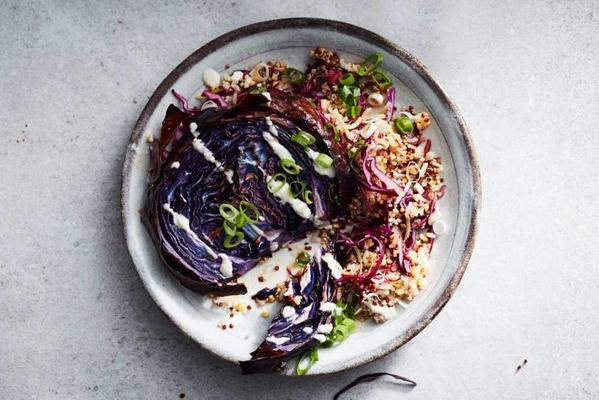 45 minMain dishRed cabbage, mild olive oil, quinoa plus, forest outing, lemon, sesame oil, soy sauce less salt, Bio Today tahini white in pot, tap water,grilled red cabbage with quinoa salad
 -
 30 minDessertBrie, Roquefort, port salut, gruyere, Camembert, walnut, garlic, thyme, honey, grape, baguette, Red onion, red grape, raisins, Red wine, Red wine vinegar, Brown sugar,generous cheese plate with onion marmalade
 -
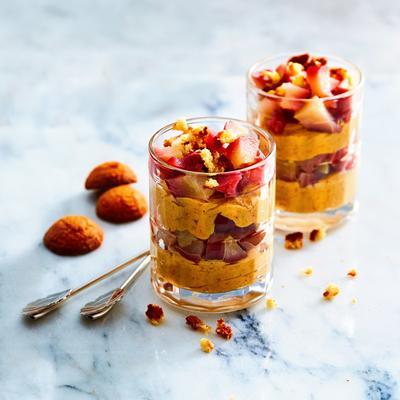 30 minDessertFull Milk, whipped cream, macaroon, custard powder, vanilla sugar, sugar, protein, amaretto, almond liqueur, basic recipe cooking pears,macaroon pastry with casserole
Too much
-
Not only a shortage of vitamin A causes complaints, too much can cause poisoning. The symptoms are headache, nausea, dizziness, tiredness, muscle pain, loss of appetite and abnormalities of the eyes, skin and skeleton. A long-term overdose, hypervitaminosis A, can occur if you use more than 3000 micrograms per day for a longer period of time. This concerns vitamin A from animal products and not provitamin A from fruit and vegetables. Too much vitamin A is almost non-existent unless you often eat liver or take high-dose supplements. A surplus of vitamin A is stored in the body as fat. You excrete another part through urine or bile. For toddlers and preschoolers, it is advised to limit the use of liver products. The upper limit for them is 800 micrograms per day.
Pregnancy
-
Vitamin A plays an important role in growth and a good vitamin A supply is of great importance during pregnancy. The recommendation for vitamin A has therefore been increased from 800 to 1000 micrograms per day during pregnancy. However, too high an intake of vitamin A can damage the fruit in early pregnancy. Pregnant women must therefore be careful with the intake of liver products. Especially in combination with a supplement with vitamin A. Too careful is also not good. It is important for the development of the fetus to reach the recommended 1000 micrograms.
Recommended Daily Allowance
-
The Health Council has established the recommended daily intake of vitamin A for various groups *. You can find an overview of this in the table below. Category / age Micrograms per day Men / boys A 14 years 400 4 - 7 years 500 7-10 years 700 10-65 years 1000 > 65 years 1000 A A Women / girls A 14 years 400 4 - 7 years 500 7-10 years 700 10 -65 years 800 > 65 years 800 A A Pregnant 1000 Breastfeeding 1250 A A A A A A A A A A A A * In 2018, the standard was adjusted by the Health Council. The recommended daily intake of vitamin A for adult men is now 800 micrograms and 680 micrograms for adult women.
-
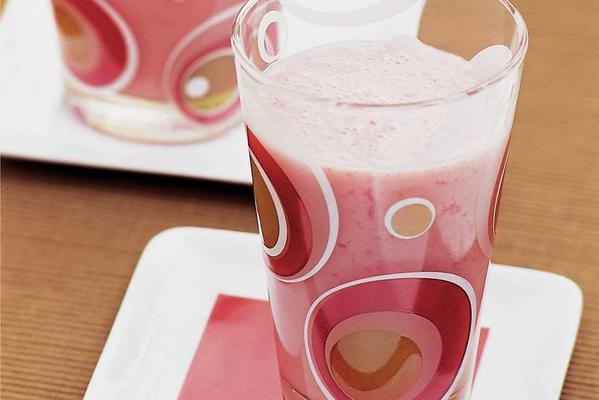 5 minDrink without alcoholbananas, cool fresh apple-pear raspberry juice, Soy drink vanilla,soy fruit shake
 -
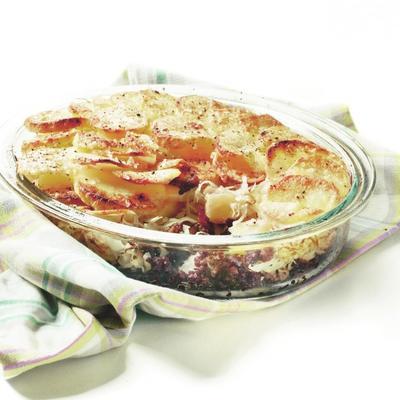 20 minMain dishsauerkraut, sticking potato, liquid baking product, half-to-half minced, Spice meatballs, pineapple, olive oil, liquid baking product,gratin sauerkraut dish with minced meat
 -
 40 minMain dishlemongrass, fresh ginger, Red peppers, onions, tomato cubes, fresh cod fillet, coriander, oil, ground turmeric (koenjit), coconut milk, salt,fish in creamy coconut sauce
 -
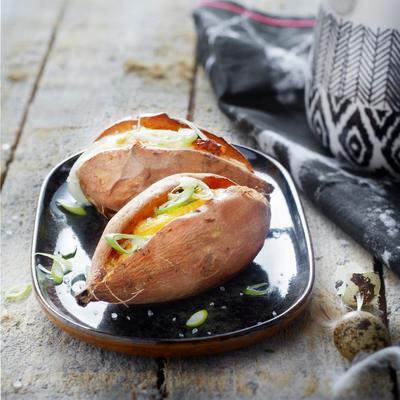 15 minSide dishsweet potato, soft goat cheese, egg, spring / forest onion,stuffed sweet potato with egg