Black radish, cultivation and use
-
Black radish, the black large radish, is little known and used little as a vegetable. Yet it is an interesting crop, easy to grow, good to use as a kind of snack and also very healthy and even medicinal.
Radish cultivation
-
Depending on the season, summer or winter radish shafts are grown. Sow the first radishes as soon as weather conditions allow. It is already possible from March, but only under plastic wrap. It is better to wait until the beginning of April for summer radishes and until the end of June to sow winter radishes. Sow in 2 cm deep trenches spaced 25 cm apart and thin the seedlings down to 15 cm in the row afterwards. The soil should be dug deeply and fertilize lightly. Choose varieties with round tubers on heavy soils; on light soil for varieties with semicircular roots.
Harvesting and storage of black radish
-
If all goes well, you can dig out the first radish shafts 70 to 120 days after sowing date. Old radish shafts gradually become void. This is especially the case with summer varieties. Take this into account by sowing small amounts at weekly intervals. Even before the first frost, the entire stock goes in. Keep the roots or tubers ensiled on
-
 11 minMain dishpeanut oil, tofu stir-fry cubes finely seasoned, stir fry sauce sweet and sour, thick noodles, carrot julienne, beetroot julienne, yellow bell pepper, watercress,rainbow salad with tofu
 -
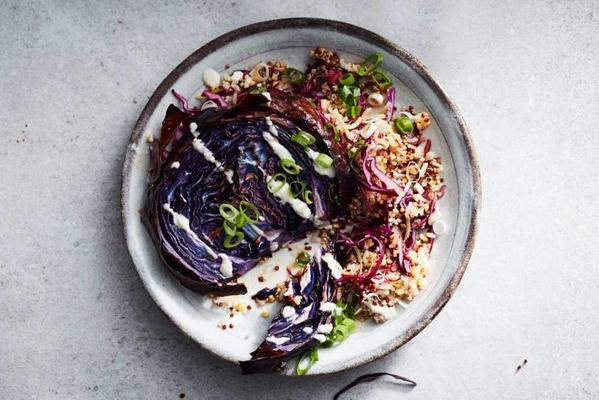 45 minMain dishRed cabbage, mild olive oil, quinoa plus, forest outing, lemon, sesame oil, soy sauce less salt, Bio Today tahini white in pot, tap water,grilled red cabbage with quinoa salad
 -
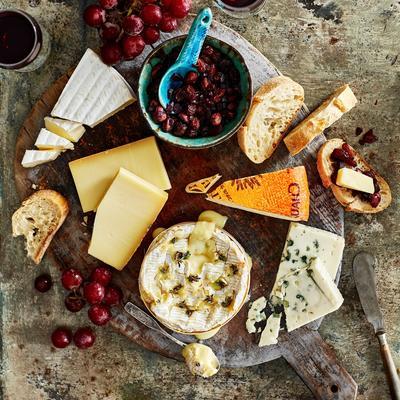 30 minDessertBrie, Roquefort, port salut, gruyere, Camembert, walnut, garlic, thyme, honey, grape, baguette, Red onion, red grape, raisins, Red wine, Red wine vinegar, Brown sugar,generous cheese plate with onion marmalade
 -
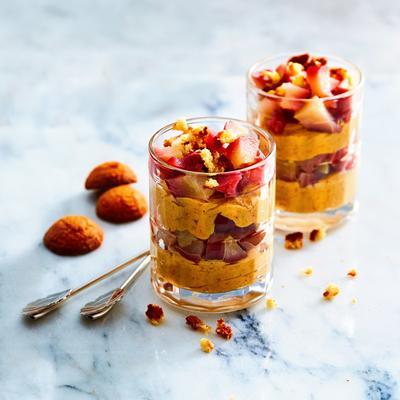 30 minDessertFull Milk, whipped cream, macaroon, custard powder, vanilla sugar, sugar, protein, amaretto, almond liqueur, basic recipe cooking pears,macaroon pastry with casserole
Seed varieties
-
There is a wide choice of varieties, which we subdivide into summer and winter types. The carrot flesh is always white; the peel can be white, violet, pink or black. Furthermore, the roots or tubers differ in shape. There are round tubers and long or medium roots.
Medicinal
-
Black radish was mainly used as a syrup in the past and that for two completely different ailments: for coughing and against gallstones.
Some scientific studies
-
Prahoveanu E, Esanu V. 1990. [!The effects of aqueous extracts of Raphanus niger on an experimental influenza infection in mice and on the enzyme polymorphism in lung tissue extracts]. Rev Roum Virol. 1990 Apr-Jun; 41 (2): 113-7. French. Nakamura Y, Iwahashi T, Tanaka A, Koutani J, Matsuo T, Okamoto S, Sato K, Ohtsuki K. 2001.4 (Methylthio) -3-butenyl isothiocyanate, a principal antimutagen in daikon (Raphanus sativus; Japanese white radish) . J Agric Food Chem. 2001 Dec; 49 (12): 5755-60].
-
 5 minDrink without alcoholbananas, cool fresh apple-pear raspberry juice, Soy drink vanilla,soy fruit shake
 -
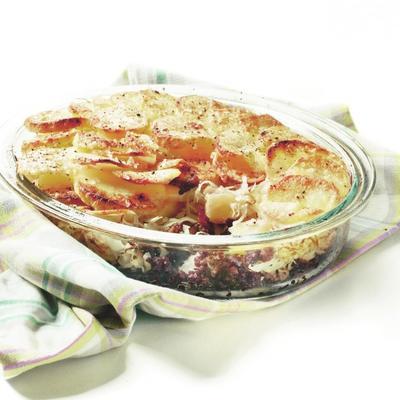 20 minMain dishsauerkraut, sticking potato, liquid baking product, half-to-half minced, Spice meatballs, pineapple, olive oil, liquid baking product,gratin sauerkraut dish with minced meat
 -
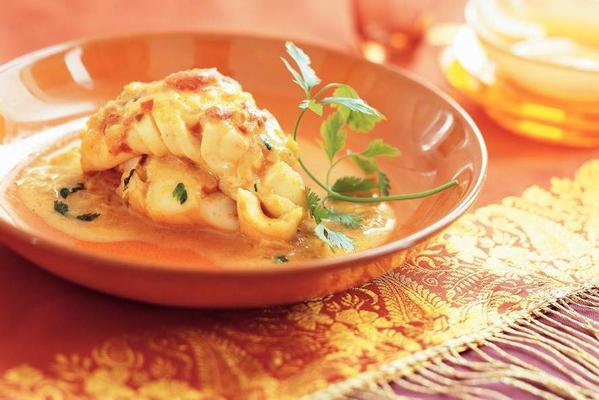 40 minMain dishlemongrass, fresh ginger, Red peppers, onions, tomato cubes, fresh cod fillet, coriander, oil, ground turmeric (koenjit), coconut milk, salt,fish in creamy coconut sauce
 -
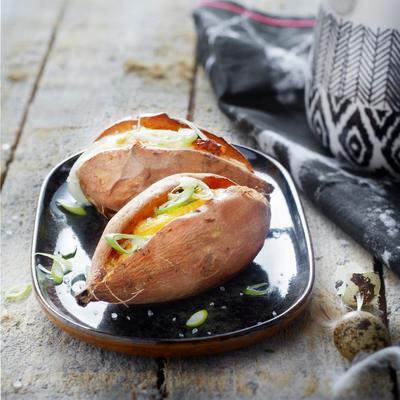 15 minSide dishsweet potato, soft goat cheese, egg, spring / forest onion,stuffed sweet potato with egg