Cooking with eggs
-
Anyone can boil an egg, right? From now on, you can cook the perfect egg with the following tips. And not only that. We have also listed a number of other tips for safe egg cooking for you.
-
Always take an egg out of the refrigerator about ten minutes before cooking. Before cooking, always prick eggs with an egg pick and gently press the egg with the convex side (air chamber) on the sharp needle. This prevents the egg from cracking during cooking. Place the eggs in a pan with plenty of cold water and count the cooking time from the moment the water boils. Use an egg timer.
Cooking time
-
Protein solidifies at a temperature of 60 degrees Celsius and egg yolk at 70 degrees Celsius. Soft egg = 2-3 minutes Semi-soft egg = 5-6 minutes Hard egg = Â 8-10 minutes
-
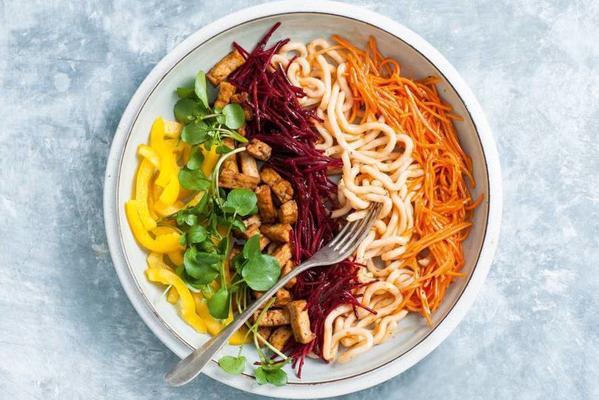 11 minMain dishpeanut oil, tofu stir-fry cubes finely seasoned, stir fry sauce sweet and sour, thick noodles, carrot julienne, beetroot julienne, yellow bell pepper, watercress,rainbow salad with tofu
 -
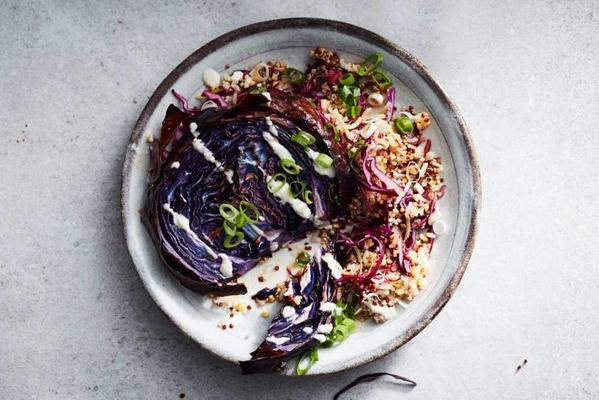 45 minMain dishRed cabbage, mild olive oil, quinoa plus, forest outing, lemon, sesame oil, soy sauce less salt, Bio Today tahini white in pot, tap water,grilled red cabbage with quinoa salad
 -
 30 minDessertBrie, Roquefort, port salut, gruyere, Camembert, walnut, garlic, thyme, honey, grape, baguette, Red onion, red grape, raisins, Red wine, Red wine vinegar, Brown sugar,generous cheese plate with onion marmalade
 -
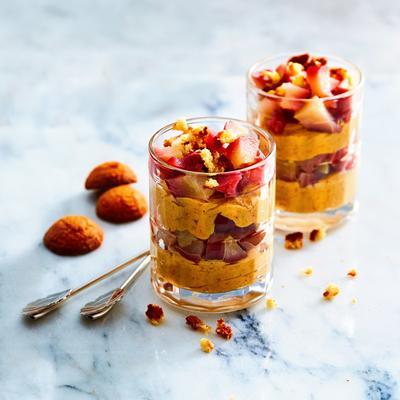 30 minDessertFull Milk, whipped cream, macaroon, custard powder, vanilla sugar, sugar, protein, amaretto, almond liqueur, basic recipe cooking pears,macaroon pastry with casserole
And then?
-
Let an egg cool down in or under cold running water immediately after cooking. The 'scaring' will cause the egg contents to shrink and the egg will be easier to peel. Hard-boiled and peeled eggs can be stored in plenty of cold water in the refrigerator for two to three days. Storing hard-boiled eggs in their shell is not recommended. After all, peeling will be much more difficult.
Dessert with egg
-
There is a minimal chance that an egg contains the dreaded Salmonella bacteria (Salmonella enteritidis) that can cause food poisoning. Extensive measures have been taken in the egg sector to further reduce the risk. To be on the safe side, it is advisable to observe the following rules when using raw eggs in dishes such as bavarois (light dessert) or tiramisu (Italian dessert): Work hygienically. Use fresh eggs. With this trick you can check if it is still good without breaking the egg. Use clean and intact 'uncracked' eggs. Prepare a dish with raw egg shortly before use. Personal hygiene and the use of clean and good materials is always very important. Always keep dishes with raw egg in the refrigerator until consumption. Make sure that no leftovers from raw egg dishes are kept. Since 1989, the State Supervision of Public Health has advised that so-called risk groups such as sick or convalescent people, pregnant women, the elderly and children under the age of 5 should preferably not serve raw egg dishes. Use whipped cream or slender cream for a light dish. Pasteurized protein is used in the catering and industrial kitchen. For a 100 percent 'safe' egg, the advice is to serve an egg hard-boiled because such an egg has been sufficiently heated, namely above 65 degrees Celsius for 8-10 minutes.
 € ‹Whip the egg white
-
Tip: take fresh eggs for beating the egg white and always split them with an egg separator. This prevents the eggshell from coming into contact with the egg contents. Make sure that no leftover egg yolk is added to the egg white. Yolk contains a little fat, which prevents the egg whites from beating stiffly. Always beat egg whites in a clean, rinsed mixing bowl (brush with lemon) and use a fat-free whisk. A little salt will hold the egg whites' water mantle, and after the egg whites begin to 'flake', add sugar in batches for a sweet dish. Beaten egg whites must be processed quickly. Keep beaten egg whites in the refrigerator until ready to use and always whisk egg whites shortly before use.
-
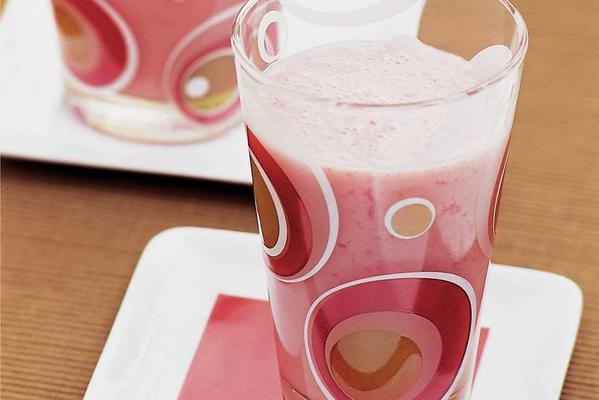 5 minDrink without alcoholbananas, cool fresh apple-pear raspberry juice, Soy drink vanilla,soy fruit shake
 -
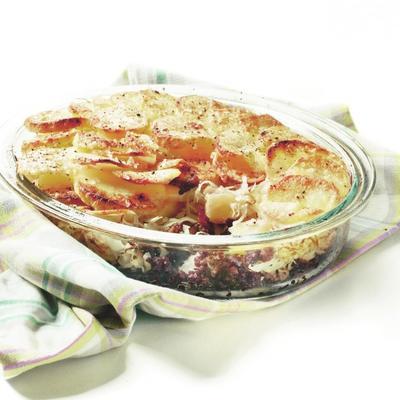 20 minMain dishsauerkraut, sticking potato, liquid baking product, half-to-half minced, Spice meatballs, pineapple, olive oil, liquid baking product,gratin sauerkraut dish with minced meat
 -
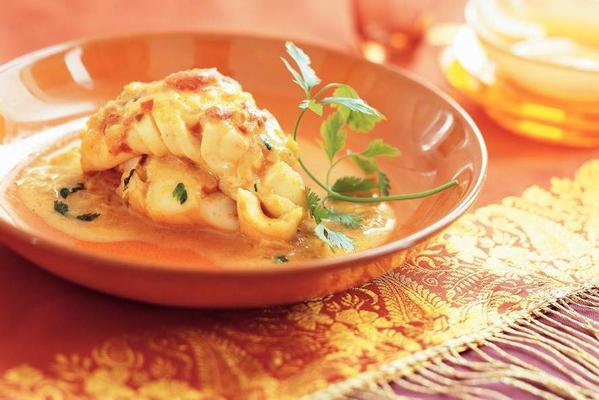 40 minMain dishlemongrass, fresh ginger, Red peppers, onions, tomato cubes, fresh cod fillet, coriander, oil, ground turmeric (koenjit), coconut milk, salt,fish in creamy coconut sauce
 -
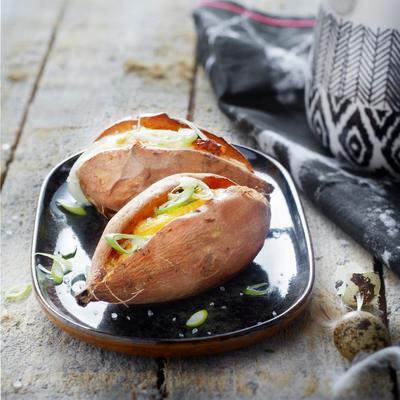 15 minSide dishsweet potato, soft goat cheese, egg, spring / forest onion,stuffed sweet potato with egg