Frequently asked questions about isoflavones
-
In recent years you have heard more and more about the role of isoflavones in menopausal symptoms, osteoporosis and other health problems. But what are isoflavones really? What are they in and how do they work? The most frequently asked questions about isoflavones.
What are isoflavones?
-
Isoflavones are vegetable substances that belong to the polyphenols. Isoflavones are found in legumes (especially in soy), flax seeds and some other vegetables and grains. Red clover is also an important source of isoflavones. These isoflavones produce phytoestrogens: genistein and daidzein. The word 'phytoestrogens' is a combination of the Greek phytos (= plant) and estrogens. They are therefore substances that are very similar to the female sex hormone estrogen. However, the effect of isoflavones is much less powerful than that of the body's own hormone estrogen (the effectiveness is about 1000 times lower).
What is known about isoflavones and the transition?
-
During the menopause, the ovaries start to produce less estrogen and progesterone. This is often accompanied by unpleasant menopause symptoms such as hot flashes and mood swings. In countries where people eat a lot of soy products, these transitional phenomena appear to be less common. Research has shown that soy reduces the severity of hot flashes by as much as 26 percent. Soy is used for various foods. The best known of these is soy milk. Other soy products include tofu, miso, tempeh, soy sauce, and soy sprouts. Furthermore, soy derivatives are used in many food products, especially in meat substitutes. Supplements containing isoflavones have been shown to have the same effect as dietary isoflavones, although some women benefit more than others. Genistein content seems to play a major role in this.
-
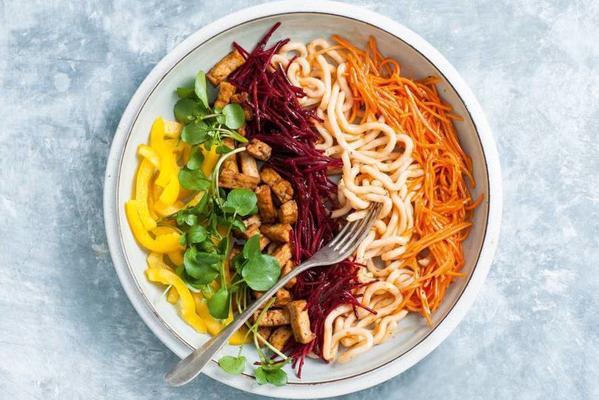 11 minMain dishpeanut oil, tofu stir-fry cubes finely seasoned, stir fry sauce sweet and sour, thick noodles, carrot julienne, beetroot julienne, yellow bell pepper, watercress,rainbow salad with tofu
 -
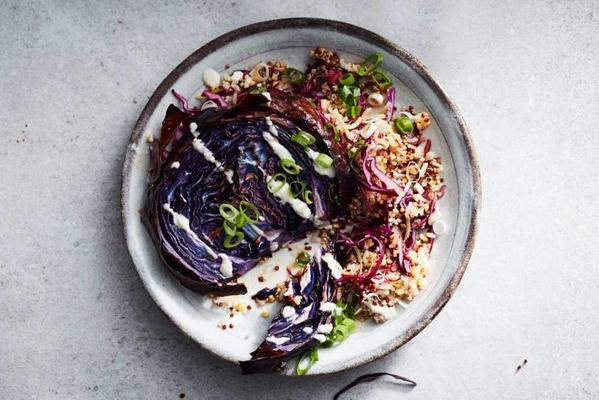 45 minMain dishRed cabbage, mild olive oil, quinoa plus, forest outing, lemon, sesame oil, soy sauce less salt, Bio Today tahini white in pot, tap water,grilled red cabbage with quinoa salad
 -
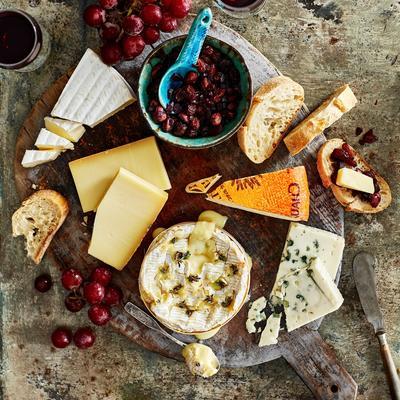 30 minDessertBrie, Roquefort, port salut, gruyere, Camembert, walnut, garlic, thyme, honey, grape, baguette, Red onion, red grape, raisins, Red wine, Red wine vinegar, Brown sugar,generous cheese plate with onion marmalade
 -
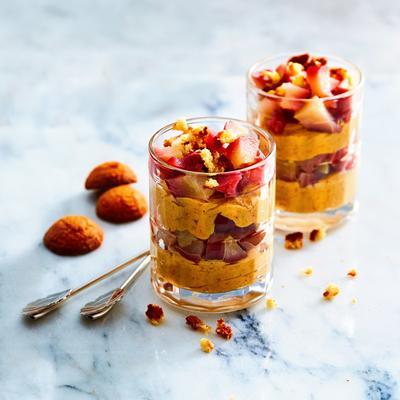 30 minDessertFull Milk, whipped cream, macaroon, custard powder, vanilla sugar, sugar, protein, amaretto, almond liqueur, basic recipe cooking pears,macaroon pastry with casserole
What is the relationship between isoflavones and osteoporosis?
-
Estrogen stabilizes and makes the bone structure stronger. In fact, the own hormone production thus protects women against osteoporosis. During and after menopause, however, estrogen production is much lower than during the fertile period. After menopause, a woman loses an average of 2 to 4 percent of bone tissue per year. Scientific research seems to indicate that isoflavones can contribute to the maintenance of bone mass, due to their hormone-like effect. It is also important to eat enough calcium-rich products and products with vitamin D. Calcium strengthens the bones and vitamin D stimulates the absorption of calcium. Furthermore, movement is the most important.
What about security? In principle, isoflavones are safe and the health benefits seem to outweigh the drawbacks. There are indications that phytoestrogen is not only beneficial for menopausal complaints and osteoporosis, but also has a beneficial effect on cholesterol levels. More research is needed into the protective effect against cardiovascular disease after menopause, in prostate cancer and dementia. However, its use is controversial in the case of (increased risk of) hormone-sensitive cancers such as breast cancer. In contrast, the use of soy or isoflavones by women without increased risk seems to actually reduce the risk of breast cancer. In case of a (predisposition to) hormone-sensitive cancer, it is therefore wise to consult with a doctor or oncologist before taking isoflavones. It is also wise to consult your doctor with thyroid complaints. Indeed, isoflavones are associated with a reduced risk of thyroid cancer on the one hand, but isoflavones have also been observed to reduce the absorption of thyroid drugs. Also read Soy milk: deliciously versatile Don't miss anything?
-
]
Don't miss anything anymore?
-
]
-
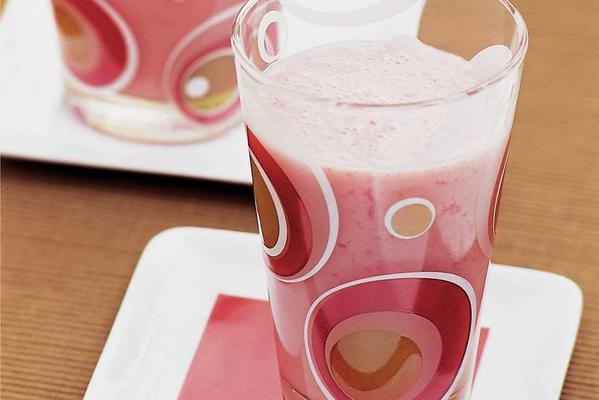 5 minDrink without alcoholbananas, cool fresh apple-pear raspberry juice, Soy drink vanilla,soy fruit shake
 -
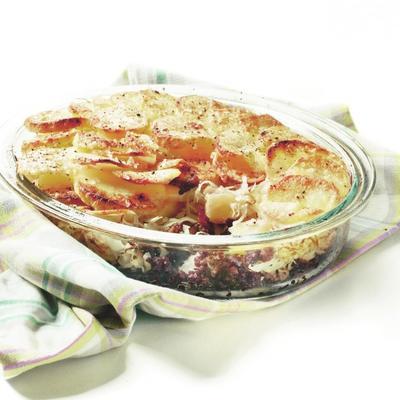 20 minMain dishsauerkraut, sticking potato, liquid baking product, half-to-half minced, Spice meatballs, pineapple, olive oil, liquid baking product,gratin sauerkraut dish with minced meat
 -
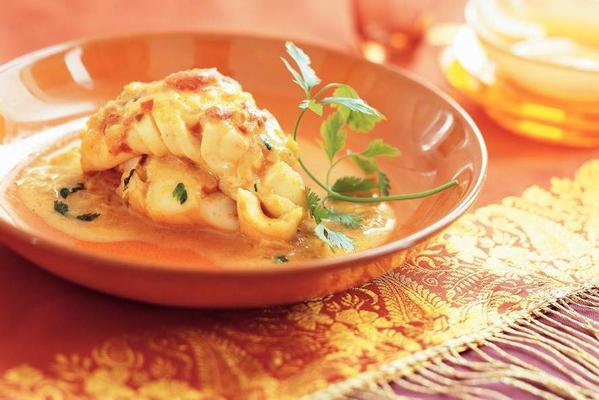 40 minMain dishlemongrass, fresh ginger, Red peppers, onions, tomato cubes, fresh cod fillet, coriander, oil, ground turmeric (koenjit), coconut milk, salt,fish in creamy coconut sauce
 -
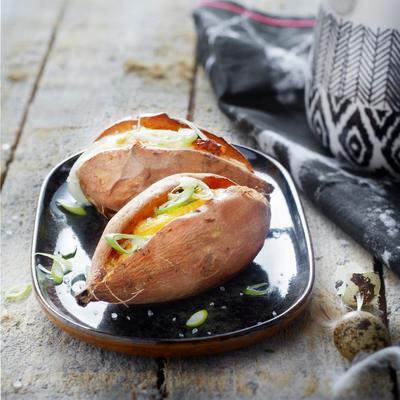 15 minSide dishsweet potato, soft goat cheese, egg, spring / forest onion,stuffed sweet potato with egg