How long can my food be kept?
-
It can lead to fun discussions at the dinner table: can you eat product X or not after the date stated on the packaging? This article answers this question.
-
There are many misunderstandings in nutrition. One of the biggest concerns the expiration date. Not surprising, really, because there are two of them: the use-by date and the best before date. Below you can read all about the differences between these entries. And also about products with no date at all ...
Use-by date: use until
-
Some products have the use-by date, which stands for 'use by'. The date stated is the latest date on which you can eat the product. So when it says 'Use-by: October 21', it means that you can eat the product until October 21. After the date, the product is no longer reliable. You can find this date on perishable products, such as meat, fish, chicken, ready meals, packages of pre-cut vegetables and the like.
-
 11 minMain dishpeanut oil, tofu stir-fry cubes finely seasoned, stir fry sauce sweet and sour, thick noodles, carrot julienne, beetroot julienne, yellow bell pepper, watercress,rainbow salad with tofu
 -
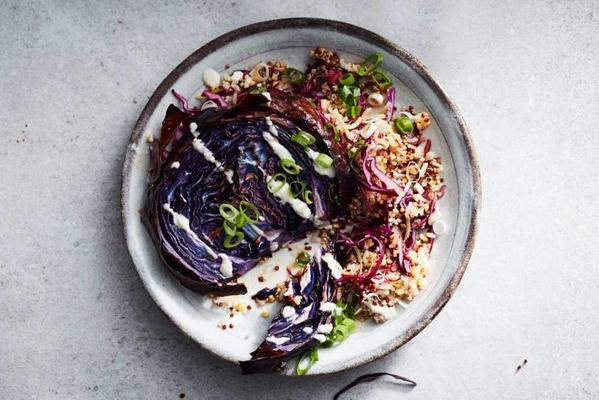 45 minMain dishRed cabbage, mild olive oil, quinoa plus, forest outing, lemon, sesame oil, soy sauce less salt, Bio Today tahini white in pot, tap water,grilled red cabbage with quinoa salad
 -
 30 minDessertBrie, Roquefort, port salut, gruyere, Camembert, walnut, garlic, thyme, honey, grape, baguette, Red onion, red grape, raisins, Red wine, Red wine vinegar, Brown sugar,generous cheese plate with onion marmalade
 -
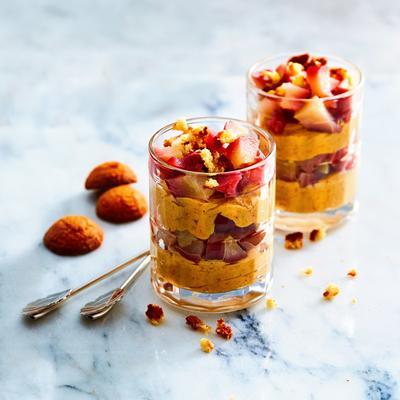 30 minDessertFull Milk, whipped cream, macaroon, custard powder, vanilla sugar, sugar, protein, amaretto, almond liqueur, basic recipe cooking pears,macaroon pastry with casserole
Best before: best before
-
The best before date is a completely different kind of date. Best before date stands for 'best before'. This date has nothing to do with the safety and reliability of a product, but with the quality. If it says 'best before: March 17th', it means that the manufacturer guarantees the quality of the product until March 17th. After this date, the quality may deteriorate. The taste may diminish, but normally you will not get sick by eating a product after the best before date. The best before date is on less perishable products, such as canned vegetables, biscuits, pasta and rice. But also milk and eggs have such a date, these are products that are slightly more perishable. You can also eat or drink the latter products after the best before date, but not too long afterwards.
Packaging opened?
-
Note! The use-by date and best before date only apply if you have not opened the packaging and if you store the product according to the instructions on the packaging. If you have opened the packaging or if you store the product too warm, for example, the shelf life will be shorter. By way of illustration: a carton of milk that has been out of the fridge for an hour can be kept a day shorter. Often it says on a package 'keep cool after opening'. Most of these products can be eaten for about three more days (unless you exceed the use-by date during that period). Long-life sour products, such as pickles, and candied products, such as jam, can be kept for about a month after opening. Do you see mold developing on bread or jam? Then throw it away. This is different for mold on hard cheese (such as Gouda cheese). Cut the mold away so you can still eat the rest of the cheese. Tip: The 'Storage Guide' of the Nutrition Center provides useful guidelines for opened products.
No date and leftovers
-
Use-by and best before dates are stated on packaging. But some products are not packed until you have bought them. Think of meat from the butcher, cheese from the cheese farmer or food from the market. In such a case, ask the seller for the best-before date. Of course there is also no date on remnants of previously prepared dishes. In short, for leftovers: Cool quickly. Never in the refrigerator or freezer, but for example in a container of cold water. Packing. For example in a storage container. Place in fridge or freezer. Do not keep too long. In the refrigerator for a maximum of two days, in the freezer for a maximum of three months.
-
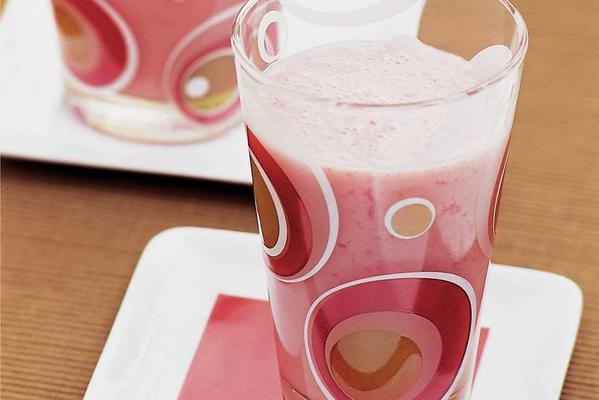 5 minDrink without alcoholbananas, cool fresh apple-pear raspberry juice, Soy drink vanilla,soy fruit shake
 -
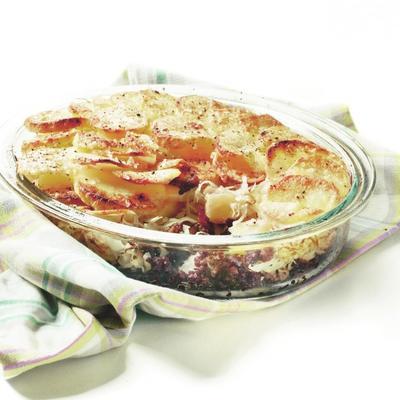 20 minMain dishsauerkraut, sticking potato, liquid baking product, half-to-half minced, Spice meatballs, pineapple, olive oil, liquid baking product,gratin sauerkraut dish with minced meat
 -
 40 minMain dishlemongrass, fresh ginger, Red peppers, onions, tomato cubes, fresh cod fillet, coriander, oil, ground turmeric (koenjit), coconut milk, salt,fish in creamy coconut sauce
 -
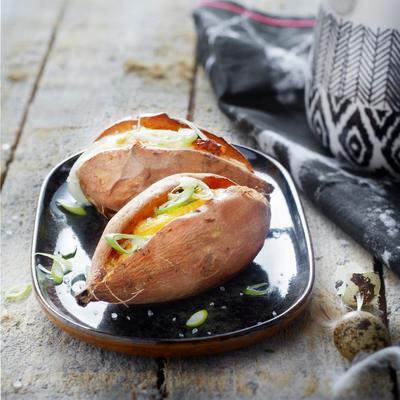 15 minSide dishsweet potato, soft goat cheese, egg, spring / forest onion,stuffed sweet potato with egg
-
Sign up for our free newsletters and offers and immediately receive the free digital recipe book. You agree to our Privacy Terms. Leave this field blank
Most searched
-
]