Is beer responsible as a sports drink?
-
In the autumn of 2015, a major beer brand is busy promoting their current and new products, including non-alcoholic beer, to various target groups. These target groups include athletes, the beer brand promotes their drink as a "sports drink". When they came across their brochure with the slogan "refreshing and responsible", the question arose how responsible the promotion of non-alcoholic beer actually is and whether it is also suitable as a sports or recovery drink.
What does the producer say?
-
The beer is a good alternative to lager, soft drinks, fruit juices or other alcoholic drinks. The drink contains less than 30 kilocalories per 100ml and therefore falls into the category "middle way products" according to the Food Choice Guidelines from 2011. In a healthy diet, the preferred drinks such as water, coffee and tea without sugar and other drinks without sugar are generally consciously chosen. energy value, with the option of occasionally being able to opt for a middle ground product such as non-alcoholic beer. Beverages that contain more than 30 kilocalories per 100 ml, such as soft drinks and alcoholic drinks, fall into the exception category and can have a negative influence on the realization of a healthy diet. Alcohol-free beer therefore fits perfectly within a varied diet.
Who is it for?
-
The alleged target groups according to the beer brand for non-alcoholic beer are the following:
-
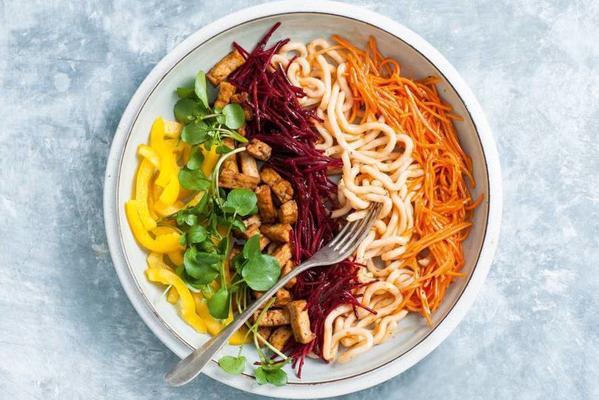 11 minMain dishpeanut oil, tofu stir-fry cubes finely seasoned, stir fry sauce sweet and sour, thick noodles, carrot julienne, beetroot julienne, yellow bell pepper, watercress,rainbow salad with tofu
 -
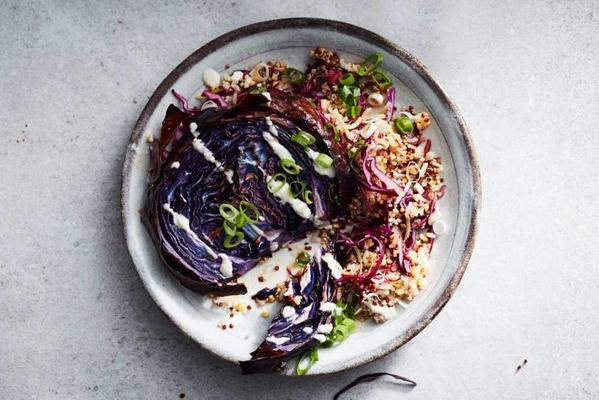 45 minMain dishRed cabbage, mild olive oil, quinoa plus, forest outing, lemon, sesame oil, soy sauce less salt, Bio Today tahini white in pot, tap water,grilled red cabbage with quinoa salad
 -
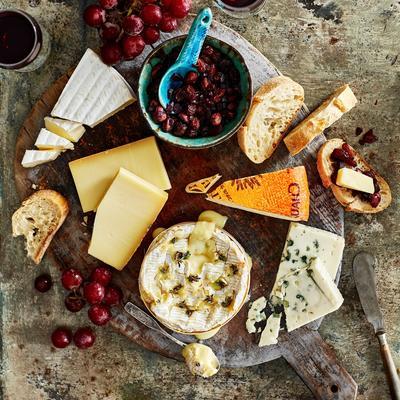 30 minDessertBrie, Roquefort, port salut, gruyere, Camembert, walnut, garlic, thyme, honey, grape, baguette, Red onion, red grape, raisins, Red wine, Red wine vinegar, Brown sugar,generous cheese plate with onion marmalade
 -
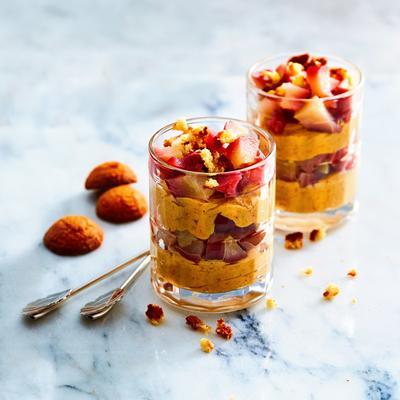 30 minDessertFull Milk, whipped cream, macaroon, custard powder, vanilla sugar, sugar, protein, amaretto, almond liqueur, basic recipe cooking pears,macaroon pastry with casserole
Why would people want to choose non-alcoholic beer?
-
With dot on one: because the updated advice of the Health Council (November 2015) reads: "Do not drink alcohol or in any case no more than one glass a day"
The pros and cons of non-alcoholic beer as a sports or recovery drink
-
Advantages Hops, barley malt and wheat, the main ingredients at the brewery, provide carbohydrates and thus energy. After intensive sports practice, it is important to replenish (part of) the glycogen stock within two hours to promote physical recovery. Non-alcoholic beer can be a possibility to achieve this, however, one drink does not contain enough carbohydrates to be able to fully replenish, so you always have to eat extra.
Disadvantages
-
During exercise, the fluid and energy balance must be replenished as well as possible, or maintained without any risk of stomach complaints. Non-alcoholic beer contains carbonated gas and may therefore not be suitable during exercise as it may cause stomach problems. This is personal so it is advisable to test this before the stomach contents come up.
-
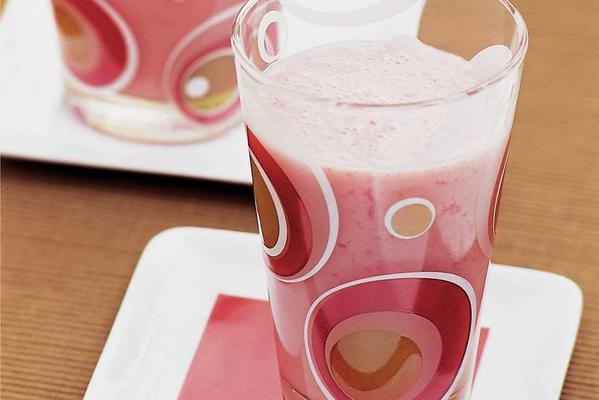 5 minDrink without alcoholbananas, cool fresh apple-pear raspberry juice, Soy drink vanilla,soy fruit shake
 -
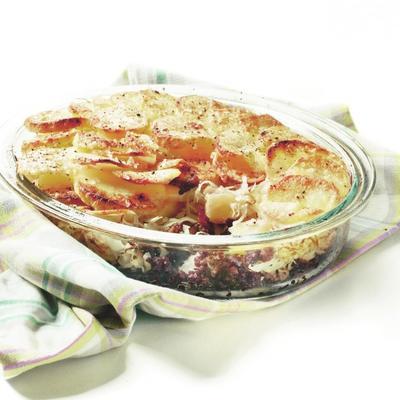 20 minMain dishsauerkraut, sticking potato, liquid baking product, half-to-half minced, Spice meatballs, pineapple, olive oil, liquid baking product,gratin sauerkraut dish with minced meat
 -
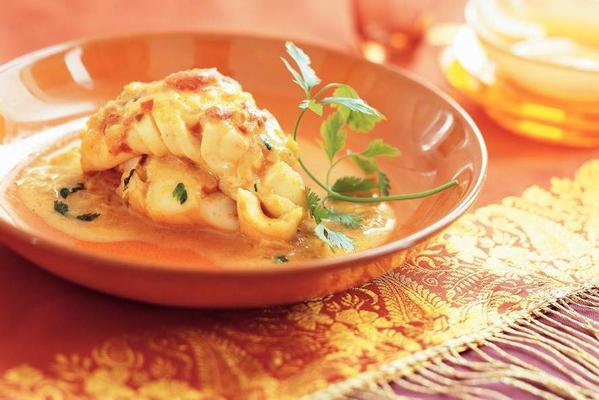 40 minMain dishlemongrass, fresh ginger, Red peppers, onions, tomato cubes, fresh cod fillet, coriander, oil, ground turmeric (koenjit), coconut milk, salt,fish in creamy coconut sauce
 -
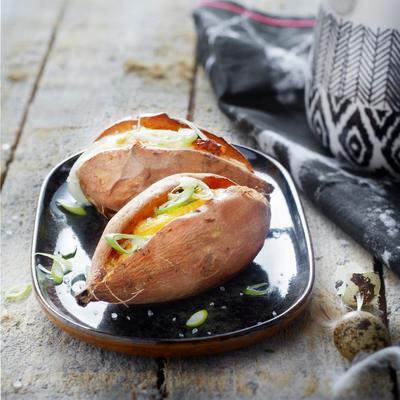 15 minSide dishsweet potato, soft goat cheese, egg, spring / forest onion,stuffed sweet potato with egg
What are the negative aspects of promoting non-alcoholic beer?
-
The promotion of non-alcoholic beer can potentially be somewhat controversial. The product is aimed at the adult target group, but it is very realistic that alcohol-free beer will be drunk by young people aged 16-17 years. Reasons that are used for this are, among other things, that young people start drinking the drink in order to belong to a social group that they would otherwise be excluded from, if possible, they can join the "cool" people who are allowed to drink. It is also a healthier alternative to alcoholic beer.
Conclusion
-
Ultimately, everyone has to decide for themselves what is to be drunk at what time. For health reasons, the advice would still be to leave the non-alcoholic beer and choose water, tea or coffee (without milk and sugar) because these drinks are calorie-free and can therefore contribute to a healthy weight. Non-alcoholic beer is a great choice to replace the alcoholic drink at parties or in the pub, for example, for people who normally consumed an alcoholic drink. Any other person should consider whether a non-alcoholic beer fits his or her wishes, goals, and (social) environment at that particular moment.
-
Ultimately, everyone has to decide for themselves what is drunk at what time. For health reasons, the advice would still be to leave the non-alcoholic beer and choose water, tea or coffee (without milk and sugar) because these drinks are calorie-free and can therefore contribute to a healthy weight. Non-alcoholic beer is a great choice to replace the alcoholic drink at parties or in the pub, for example, for people who normally consumed an alcoholic drink. Any other person could