Mallow: health benefits applications (tea / tincture)
-
Mallow (Marrubium vulgare) is a perennial plant belonging to the lip flower family and a rare medicinal plant. Malrove has almost been forgotten as a medicinal plant in 2020. Unlike some other medicinal herbs, people used it more than 2,000 years ago mainly for the same conditions as today: respiratory diseases and coughing with stuck mucus. Moreover, due to the high content of bitter substances, it is also used for loss of appetite and dyspeptic complaints. The plant is used in cough syrup and cough sweets, among other things.
Ingredients
-
Mallow contains some substances classified as beneficial to health, such as the essential oils. It also contains bitter substances such as marrubiin, as well as potassium, calcium
Health Benefits
-
Mallow is considered one of the oldest known medicinal plants in humans. The Roman physician Claudius Galenus (129-199 AD) already recommended the use of the herb for respiratory problems and coughing. In folk medicine the plant was used to treat stomach ailments
-
 11 minMain dishpeanut oil, tofu stir-fry cubes finely seasoned, stir fry sauce sweet and sour, thick noodles, carrot julienne, beetroot julienne, yellow bell pepper, watercress,rainbow salad with tofu
 -
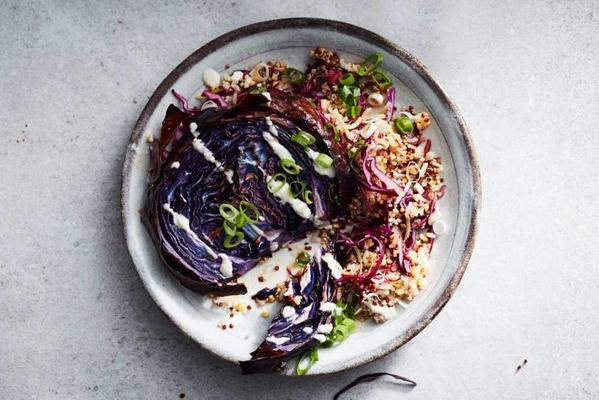 45 minMain dishRed cabbage, mild olive oil, quinoa plus, forest outing, lemon, sesame oil, soy sauce less salt, Bio Today tahini white in pot, tap water,grilled red cabbage with quinoa salad
 -
 30 minDessertBrie, Roquefort, port salut, gruyere, Camembert, walnut, garlic, thyme, honey, grape, baguette, Red onion, red grape, raisins, Red wine, Red wine vinegar, Brown sugar,generous cheese plate with onion marmalade
 -
 30 minDessertFull Milk, whipped cream, macaroon, custard powder, vanilla sugar, sugar, protein, amaretto, almond liqueur, basic recipe cooking pears,macaroon pastry with casserole
Applications
-
White horehound tea
Side Effects
-
Mallow is generally well tolerated and safe. Large quantities can cause vomiting
Breeding horehound yourself
-
Malrove is on the Dutch Red List of plants in 2020 as very rare and very strongly decreased in number. The plant can be easily planted in the garden. In fact, it quickly becomes invasive. It is very hardy, provided you protect the plant from the wind. If it doesn't freeze too hard, it will even keep its leaves in the winter. The location must be sunny, the soil enriched with compost, but not overfilled with nutrients. It is important to have loose soil through which rainwater can drain, as the plant cannot tolerate an abundance of water.
-
Malrove is on the Dutch Red List of plants in 2020 as very rare and very strongly decreased in number. The plant can be easily planted in the garden. In fact, it quickly becomes invasive. It is very hardy, provided you protect the plant from the wind. If it doesn't freeze too hard, it will even keep its leaves in winter. The location must be sunny, the soil enriched with compost, but not overfilled with nutrients. It is important to have loose soil through which the rainwater can drain, as the plant cannot tolerate an abundance of water.
-
 5 minDrink without alcoholbananas, cool fresh apple-pear raspberry juice, Soy drink vanilla,soy fruit shake
 -
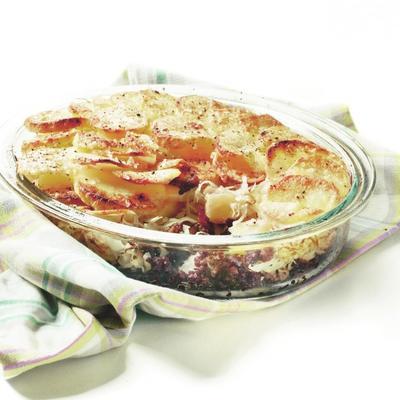 20 minMain dishsauerkraut, sticking potato, liquid baking product, half-to-half minced, Spice meatballs, pineapple, olive oil, liquid baking product,gratin sauerkraut dish with minced meat
 -
 40 minMain dishlemongrass, fresh ginger, Red peppers, onions, tomato cubes, fresh cod fillet, coriander, oil, ground turmeric (koenjit), coconut milk, salt,fish in creamy coconut sauce
 -
 15 minSide dishsweet potato, soft goat cheese, egg, spring / forest onion,stuffed sweet potato with egg