Sodium Chloride: Is salt right or wrong?
-
We all need sodium chloride every day. It is an indispensable mineral that is contained in many nutrients. Still, there are circumstances where people get too little salt, as sodium chloride is also called. Table salt consists of the substances sodium and chloride and is called sodium chloride in chemical language. Sodium chloride is extracted from sea water, but also from the ground by means of salt mines. In Poland there is a salt mine that is known to have been used in the 11th century. Salzburg is a German city named after nearby salt mines. In the Netherlands there is a salt production near Hengelo.
How much salt do you need?
-
Sodium chloride helps to regulate the moisture balance in the body. It is necessary for the proper functioning of the muscles and nervous system. Salt in itself is a healthy substance, but scientists are not sure how much table salt you should eat per day. Salts are in almost every food so some say you don't need to add salt at all. Still, it is good to supplement with salts in certain circumstances. During great physical exertion you sweat a lot, which means you lose salt. In warm countries you sweat more and you also need more salt. Because everyone sweats differently, it is difficult to say what the average healthy amount is to eat salt. To give an average, according to the ADH standard
What does salt naturally contain?
-
You not only need sodium but also other salts. Salts such as sodium, magnesium, and potassium are common in green-leaf vegetables such as kale and lettuce. Root vegetables such as potato, parsnip, radish, celeriac, carrot and sweet potato contain a relatively large amount of salts. In nettle
-
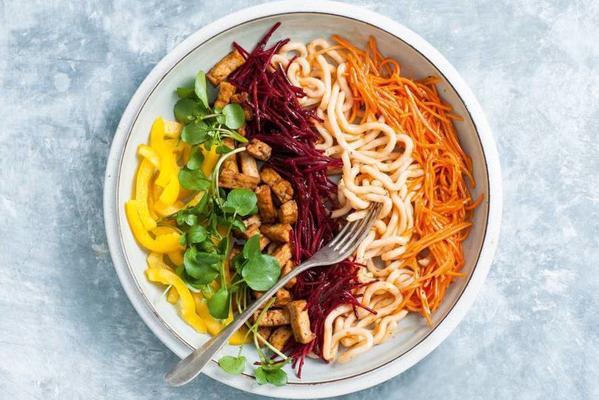 11 minMain dishpeanut oil, tofu stir-fry cubes finely seasoned, stir fry sauce sweet and sour, thick noodles, carrot julienne, beetroot julienne, yellow bell pepper, watercress,rainbow salad with tofu
 -
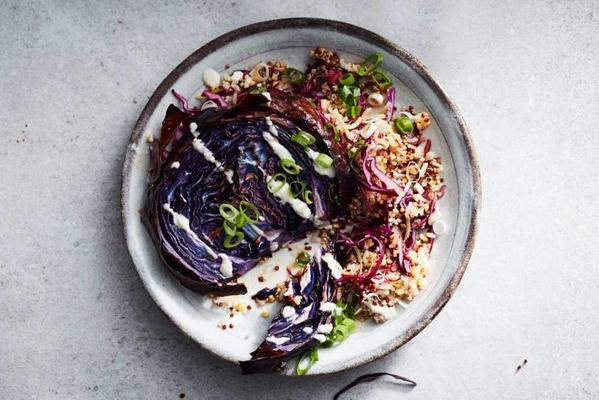 45 minMain dishRed cabbage, mild olive oil, quinoa plus, forest outing, lemon, sesame oil, soy sauce less salt, Bio Today tahini white in pot, tap water,grilled red cabbage with quinoa salad
 -
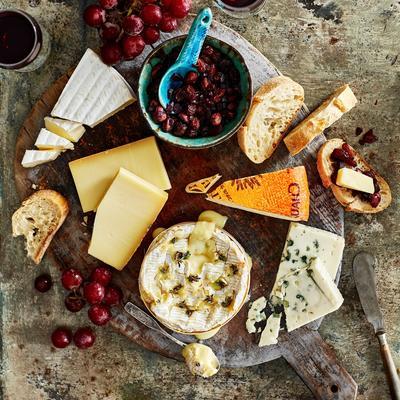 30 minDessertBrie, Roquefort, port salut, gruyere, Camembert, walnut, garlic, thyme, honey, grape, baguette, Red onion, red grape, raisins, Red wine, Red wine vinegar, Brown sugar,generous cheese plate with onion marmalade
 -
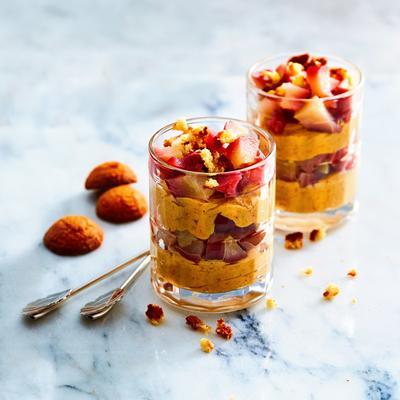 30 minDessertFull Milk, whipped cream, macaroon, custard powder, vanilla sugar, sugar, protein, amaretto, almond liqueur, basic recipe cooking pears,macaroon pastry with casserole
Too much and too little
-
Salts play an essential role in the formation of enzymes and the transport of electrical impulses from the nervous system. The heart also benefits from a good salt balance. Sodium helps glucose dissolve better. Too much salt is also not good; that can lead to kidney problems. It is unnecessary to worry about that if you once added too much salt to your food. In general, people don't have to worry about salt in their food. Some concern does apply to people with high blood pressure and heart problems
Salt-free food = spicy food
-
When you peel and cook potatoes yourself and eat them without salt, you will see that they are quite edible. To avoid adding salt, turn to flavored herbs such as lovage, thyme, rosemary, parsley, nettle leaves, chives, celery and basil to make the potatoes more delicious. Rice can be made tastier in the same way, but also by adding a little clove, saffron
When should you avoid adding salt to your food?
-
When you have an increased risk of stomach cancer, for example if you have been cured of this, With kidney complaints, If you suffer from edema and With high blood pressure.
-
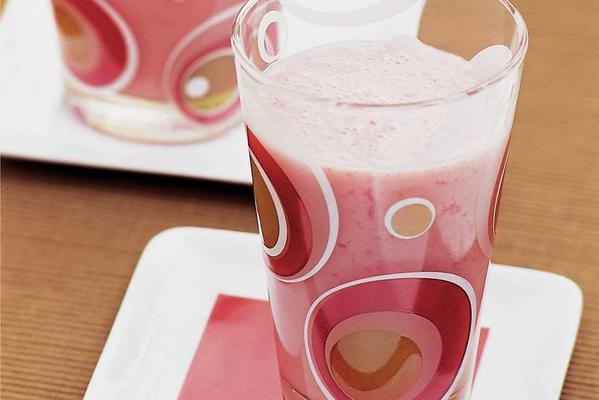 5 minDrink without alcoholbananas, cool fresh apple-pear raspberry juice, Soy drink vanilla,soy fruit shake
 -
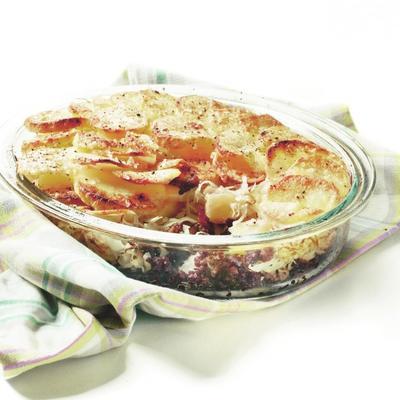 20 minMain dishsauerkraut, sticking potato, liquid baking product, half-to-half minced, Spice meatballs, pineapple, olive oil, liquid baking product,gratin sauerkraut dish with minced meat
 -
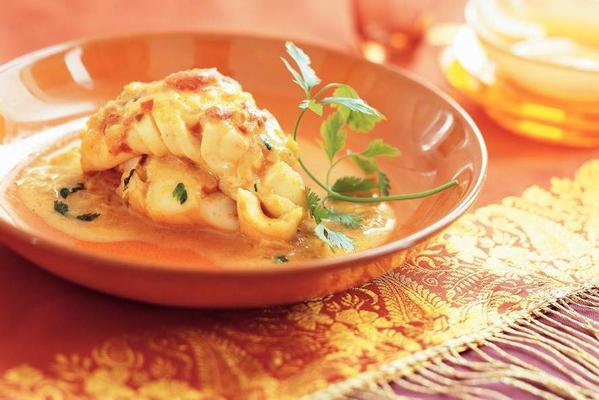 40 minMain dishlemongrass, fresh ginger, Red peppers, onions, tomato cubes, fresh cod fillet, coriander, oil, ground turmeric (koenjit), coconut milk, salt,fish in creamy coconut sauce
 -
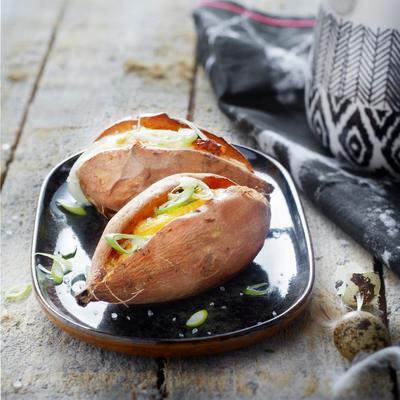 15 minSide dishsweet potato, soft goat cheese, egg, spring / forest onion,stuffed sweet potato with egg