The healing power of borage oil
-
Borage is better known as cucumber herb. This medicinal plant is native to the Mediterranean. The leaves are covered with small, fine hairs and the flowers are a bright glowing blue. Borage used to be cooked as a vegetable. The flowers and leaves are edible and give dishes and drinks a fresh taste.
Woolly medicine
-
Borage was already known in ancient Greece and by the ancient Romans as a medicinal herb. In science we use Latin names for plants so that there can never be any misunderstanding which plant is meant. The Latin name for Borage is Borrago Officinalis
Healthy fatty acids
-
Borage oil is extracted from the seeds of cucumber spice. Of all the substances on earth, only breast milk contains more gamma linolenic acid than borage oil. In addition to gamma linolenic acid, borage oil contains the even healthier basic omega 6 linoleic acid, which should not be confused with factory-processed linoleic acid. These polyunsaturated fatty acids together ensure general physical well-being and a healthy metabolism. In our consumer society we seem to find it necessary to consume a lot of nicotine, alcohol, nutritious white flour products and refined sugar
-
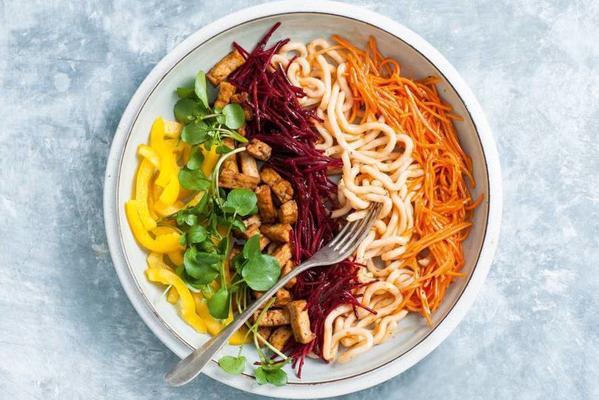 11 minMain dishpeanut oil, tofu stir-fry cubes finely seasoned, stir fry sauce sweet and sour, thick noodles, carrot julienne, beetroot julienne, yellow bell pepper, watercress,rainbow salad with tofu
 -
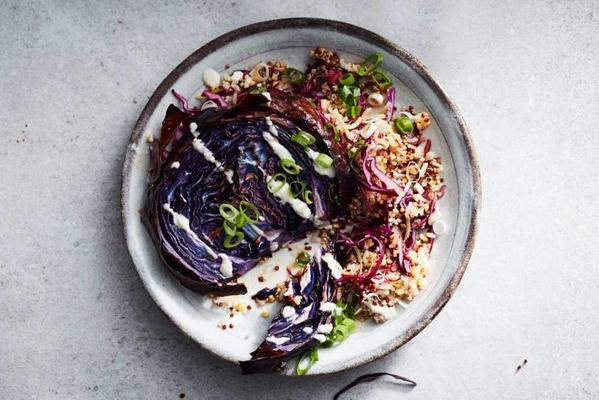 45 minMain dishRed cabbage, mild olive oil, quinoa plus, forest outing, lemon, sesame oil, soy sauce less salt, Bio Today tahini white in pot, tap water,grilled red cabbage with quinoa salad
 -
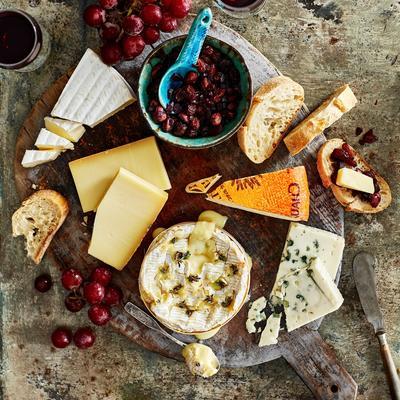 30 minDessertBrie, Roquefort, port salut, gruyere, Camembert, walnut, garlic, thyme, honey, grape, baguette, Red onion, red grape, raisins, Red wine, Red wine vinegar, Brown sugar,generous cheese plate with onion marmalade
 -
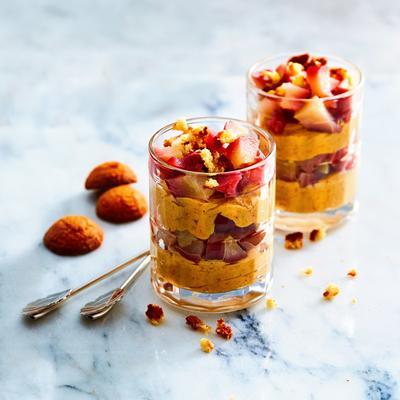 30 minDessertFull Milk, whipped cream, macaroon, custard powder, vanilla sugar, sugar, protein, amaretto, almond liqueur, basic recipe cooking pears,macaroon pastry with casserole
Borage oil against many diseases
-
Gamma linolenic acid and linoleic acid together lower blood pressure and reduce blood clotting. Borage oil also helps against skin diseases such as neurodermatitis. Eczema, vascular disorders, metabolic diseases, gout, rheumatic diseases, diabetes mellitus, arteriosclerosis and menopausal complaints
Essential Fatty Acids Borage Oil
-
Borage oil contains zinc, magnesium, vitamin B6 and biotin. Linoleic acid, together with alpha linolenic acid, is one of the only two essential fatty acids. This means that the body cannot produce these fatty acids while they are necessary. Normally, the essential fatty acids sit in cell membranes to absorb oxygen. Each cell must have an optimal oxygen exchange. As soon as a cell uses 35% too little oxygen, cancer can develop, discovered Otto Warburg, a Nobel Prize winner in the 1930s. Brian Peskin summarizes Otto Warburg's findings in his book 'The Untold Story of Cancer' and concludes that by eating essential fatty acids in the right proportion (two parts basic omega 6 to one part basic omega 3) can safeguard against cancer. In addition, it is known that essential fatty acids have a very important role in preventing cardiovascular disease. This knowledge may not be applied by all oncologists, but more things are not applied that have been discovered. Still, the knowledge that omega 3 fatty acids are good for cancer is slowly penetrating the consciousness of scientists. Scientists from the University of Cordoba, for example, recommend in a study published in 2013 to use Field borage during chemotherapy / Source: Jonathan Billinger, Wikimedia Commons (CC BY-SA-2.0)
Fatty acids in borage oil:
-
Linoleic acid: 38.5% Oleic acid: 17.5% Palmitic Acid: 11% Stearic Acid: 4.0% Gamma linolenic acid: 21.5% Other: 7.5%
-
 5 minDrink without alcoholbananas, cool fresh apple-pear raspberry juice, Soy drink vanilla,soy fruit shake
 -
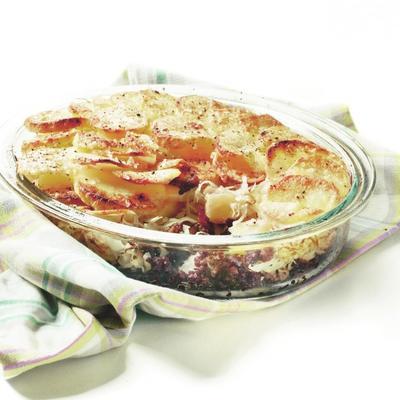 20 minMain dishsauerkraut, sticking potato, liquid baking product, half-to-half minced, Spice meatballs, pineapple, olive oil, liquid baking product,gratin sauerkraut dish with minced meat
 -
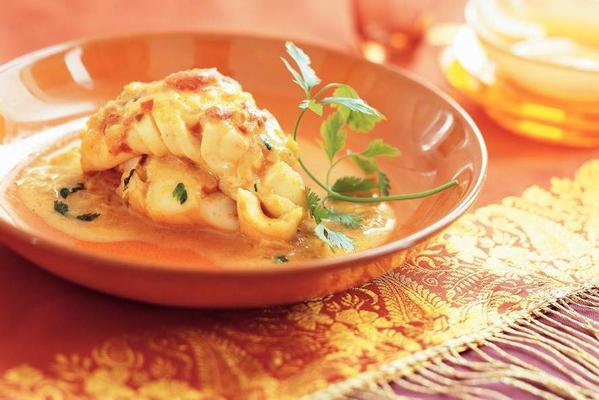 40 minMain dishlemongrass, fresh ginger, Red peppers, onions, tomato cubes, fresh cod fillet, coriander, oil, ground turmeric (koenjit), coconut milk, salt,fish in creamy coconut sauce
 -
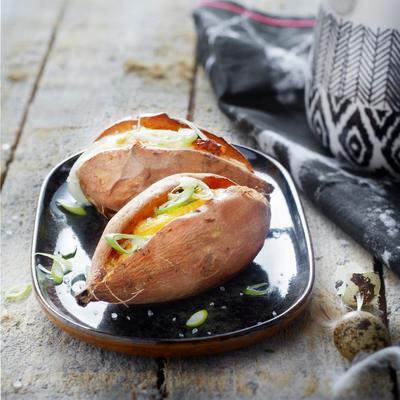 15 minSide dishsweet potato, soft goat cheese, egg, spring / forest onion,stuffed sweet potato with egg