The healing power of broad beans
-
Broad beans are legumes and do very well in the vegetable garden. Broad beans from the vegetable garden taste much better than broad beans from a jar. Moreover, you can also simply eat the skins of fava beans; they are never in the jar. In countries such as Greece and Turkey, people just eat the skin. You don't have to cook the fresh broad bean for long; between five and ten minutes.
Broad bean name
-
The Latin name for the broad bean is Vicia Faba
Vitamin B in broad beans
-
The broad bean contains a lot of nutrients. What is especially striking is that 100 grams of fava beans account for 108% of the Recommended Daily Allowance (RDA)
-
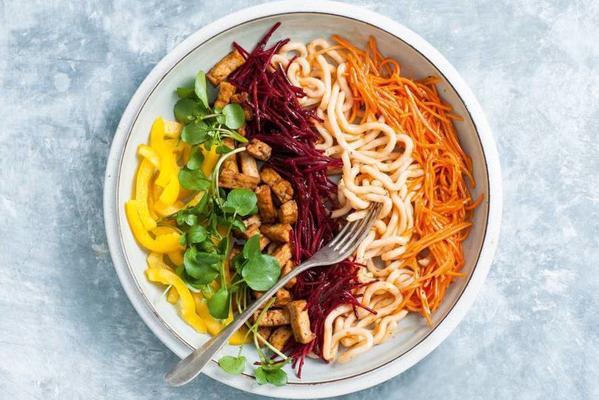 11 minMain dishpeanut oil, tofu stir-fry cubes finely seasoned, stir fry sauce sweet and sour, thick noodles, carrot julienne, beetroot julienne, yellow bell pepper, watercress,rainbow salad with tofu
 -
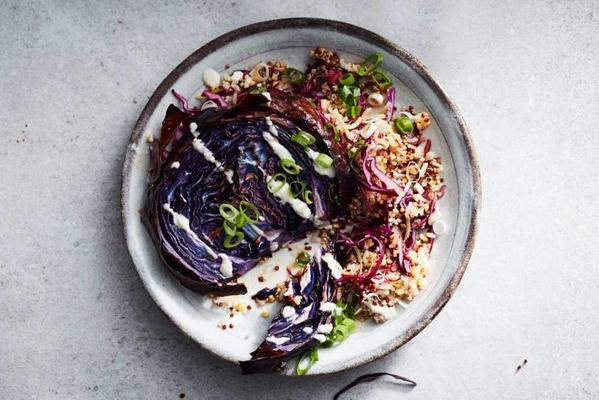 45 minMain dishRed cabbage, mild olive oil, quinoa plus, forest outing, lemon, sesame oil, soy sauce less salt, Bio Today tahini white in pot, tap water,grilled red cabbage with quinoa salad
 -
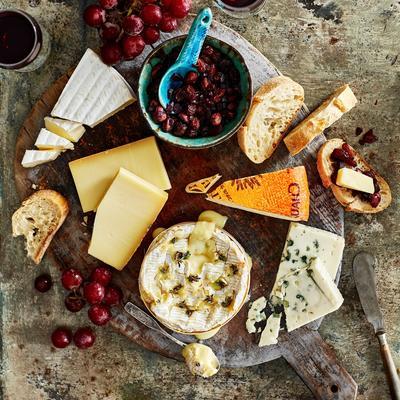 30 minDessertBrie, Roquefort, port salut, gruyere, Camembert, walnut, garlic, thyme, honey, grape, baguette, Red onion, red grape, raisins, Red wine, Red wine vinegar, Brown sugar,generous cheese plate with onion marmalade
 -
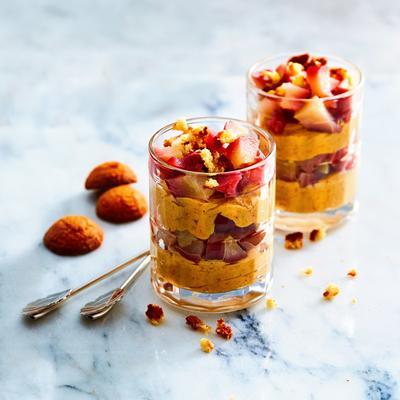 30 minDessertFull Milk, whipped cream, macaroon, custard powder, vanilla sugar, sugar, protein, amaretto, almond liqueur, basic recipe cooking pears,macaroon pastry with casserole
Minerals broad beans
-
In addition to high percentages of vitamins from the B complex, the broad bean is rich in minerals. Copper is most in it; 100 grams of fava beans contain 91% of the RDI for copper. Iron is also largely in it; a whopping 84% of the RDI. This means that you can eat fava beans very well if you are going to do heavy work or suffer from anemia. Other minerals in 100 grams of fava beans are: manganese (71% RDA), phosphorus (60% RDA), potassium (23% RDA), magnesium (18% RDA), selenium (15% RDA), calcium (10% RDA). and zinc
History of broad bean
-
Excavations in Nazareth found broad beans. These were a lot smaller than the current broad bean. The broad bean has been eaten since at least 6000 BC. It is not known from which plant species the broad bean was cultivated; it only occurs as a cultivated plant. In Europe, the broad bean was eaten more and more often from the beginning of the era to the 17th century. The Ancient Romans
The sleeve of broad beans
-
Broad beans have a large shell that can be eaten while it is still green. In the Netherlands
-
 5 minDrink without alcoholbananas, cool fresh apple-pear raspberry juice, Soy drink vanilla,soy fruit shake
 -
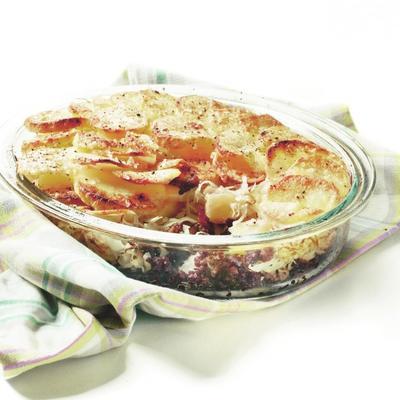 20 minMain dishsauerkraut, sticking potato, liquid baking product, half-to-half minced, Spice meatballs, pineapple, olive oil, liquid baking product,gratin sauerkraut dish with minced meat
 -
 40 minMain dishlemongrass, fresh ginger, Red peppers, onions, tomato cubes, fresh cod fillet, coriander, oil, ground turmeric (koenjit), coconut milk, salt,fish in creamy coconut sauce
 -
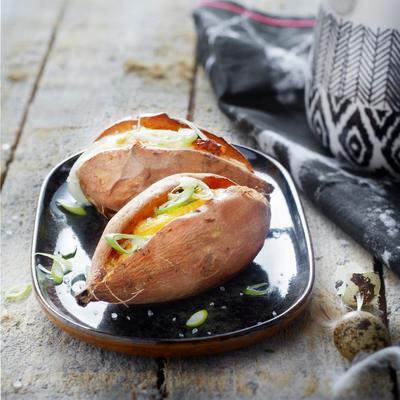 15 minSide dishsweet potato, soft goat cheese, egg, spring / forest onion,stuffed sweet potato with egg
Broad beans in the vegetable garden
-
Broad beans are one of the simplest bean varieties to grow in the vegetable garden. You can put the broad bean in the ground when it is frost-free, from February / March. If necessary, you can grow a plant in February indoors or in a greenhouse in pots, which you later put out in the vegetable garden. They need some space; about 40 centimeters. If you plant them in rows you can give them 15 centimeters and 60 centimeters between the rows. You can then plant cabbage lettuce in any remaining row, so that you make good use of the vegetable garden surface. After all, head lettuce is ready for harvest much faster than broad beans. Broad bean sometimes suffers from black aphids. It is therefore a good idea to add broad bean to dill
Tips for eating fresh broad beans
-
You can fry fresh broad beans. You don't have to cook them first. You take the beans out of the skin for this. You can boil the peel for a soup; you cannot eat these raw. Fried broad beans can be seasoned with salt and pepper and served as a snack; this is often done in South American countries. In Italy, a puree is made from boiled broad beans and chicory. In Egypt and Morocco broad bean puree with parsley is served for breakfast with bread. it is a variant of humus which is made with the legume chickpeas.