The healing power of millet
-
Pearl millet is eaten in North Africa as couscous. You can eat millet instead of brown rice. It is a healthy grain product that was consumed much more often in the past than in modern times. That is unjustified because millet has a nice full flavor. Millet has a long history among mankind. It was cultivated in China as early as 6000 BC.
Ancient millet
-
Millet was already cultivated 8000 years before Christ in ancient China. In Korea, Japan and India, evidence has been found that millet cultivation took place there 6,000 years before Christ. Millet is believed to have originated in North Africa where it is still widely consumed in the form of couscous
-
Millet was cultivated 8000 years before Christ in ancient China. In Korea, Japan and India, evidence has been found that millet cultivation took place there 6,000 years before Christ. Millet is believed to have originated in North Africa where it is still widely consumed in the form of couscous
Magnesium in millet
-
Millet, together with oatmeal, is a cereal that has medicinal properties for the heart. That's because it contains a lot of magnesium and niacin. Magnesium leads to less arteriosclerosis. This, in turn, has the effect of reducing the risk of high blood pressure. These medicinal properties make millet healthy food to prevent heart disease. Magnesium has even more benefits. People who eat products containing magnesium have less asthma and migraines
-
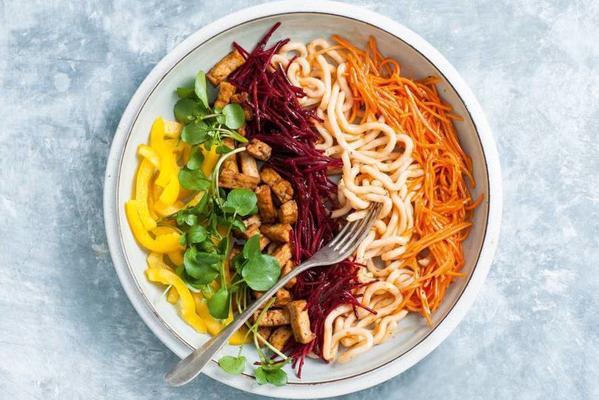 11 minMain dishpeanut oil, tofu stir-fry cubes finely seasoned, stir fry sauce sweet and sour, thick noodles, carrot julienne, beetroot julienne, yellow bell pepper, watercress,rainbow salad with tofu
 -
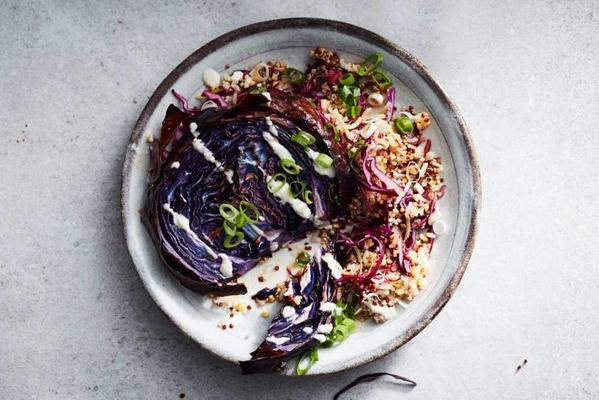 45 minMain dishRed cabbage, mild olive oil, quinoa plus, forest outing, lemon, sesame oil, soy sauce less salt, Bio Today tahini white in pot, tap water,grilled red cabbage with quinoa salad
 -
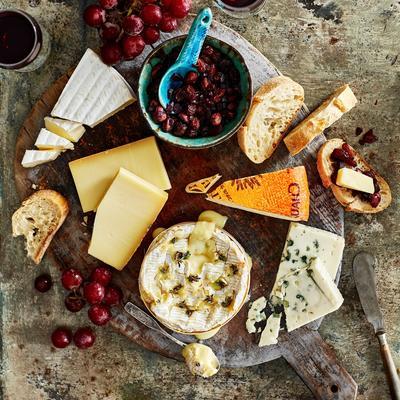 30 minDessertBrie, Roquefort, port salut, gruyere, Camembert, walnut, garlic, thyme, honey, grape, baguette, Red onion, red grape, raisins, Red wine, Red wine vinegar, Brown sugar,generous cheese plate with onion marmalade
 -
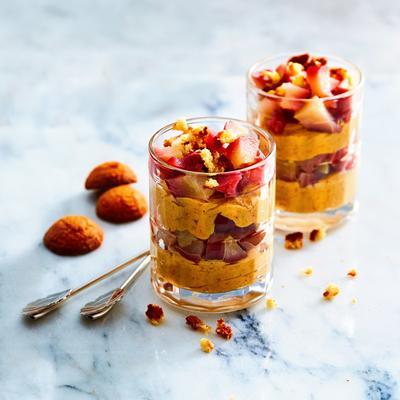 30 minDessertFull Milk, whipped cream, macaroon, custard powder, vanilla sugar, sugar, protein, amaretto, almond liqueur, basic recipe cooking pears,macaroon pastry with casserole
Phosphorus in millet
-
Millet is rich in phosphorus and this substance is good for the formation of the cellular tissue in the body. The bone tissue is built up with the help of phosphorus. People are quick to think that only calcium
Antioxidants in millet
-
Millet contains a long list of antioxidants. This list is filled by phytic acids, polyphenols, selenium, vitamin E and tocotrienols, among other things. According to scientists, the latter have medicinal properties against stroke, arteriosclerosis and high blood pressure. Tocotrienols also inhibit breast cancer, pancreatic cancer, skin cancer and prostate cancer. It has also been established in recent years that tocotrienols prevent contamination with radioactive radiation. It more quickly repairs damage caused by radiation. These tocotrienols are not only found in millet but also in rice oil, palm oil, coconut oil, grape seed oil, barley, wheat kernels, sunflower seeds, peanuts, walnut, sesame seeds and olive oil
-
Millet contains a long list of antioxidants. This list is filled by phytic acids, polyphenols, selenium, vitamin E and tocotrienols, among other things. According to scientists, the latter have medicinal properties against stroke, arteriosclerosis and high blood pressure. Tocotrienols also inhibit breast cancer, pancreatic cancer, skin cancer and prostate cancer. Furthermore, it has been established in recent years that tocotrienols prevent contamination with radioactive radiation. It more quickly repairs damage caused by radiation. These tocotrienols are not only found in millet but also in rice oil, palm oil, coconut oil, grape seed oil, barley, wheat kernels, sunflower seeds, peanuts, walnut, sesame seeds and olive oil
Millet against diabetes
-
Research among 41,000 women in America shows that eating whole foods in the form of whole grains is very good for fighting diabetes. Tocotrienols in millet are partly responsible for this. Whole food is the opposite of processed and refined food. Important substances have been extracted from refined food products. High concentrations of magnesium and calcium in whole foods make an important contribution to the prevention of diabetes. It is advisable to eat couscous regularly for dinner, along with dried fruits and some nuts and seeds to achieve optimal health benefits. Of course, in addition to the couscous, you make a large vegetable dish made of fried aubergines, tomatoes, onions, garlic, carrot
-
Research among 41,000 women in America shows that eating whole foods in the form of whole grains is very good for fighting diabetes. Tocotrienols in millet are partly responsible for this. Whole food is the opposite of processed and refined food. Important substances have been extracted from refined food products. High concentrations of magnesium and calcium in whole foods make an important contribution to the prevention of diabetes. It is recommended that you regularly eat couscous for dinner, along with dried fruits and some nuts and seeds to achieve optimal health benefits. Of course, in addition to the couscous, you make a large vegetable dish of fried aubergines, tomatoes, onions, garlic, carrot
-
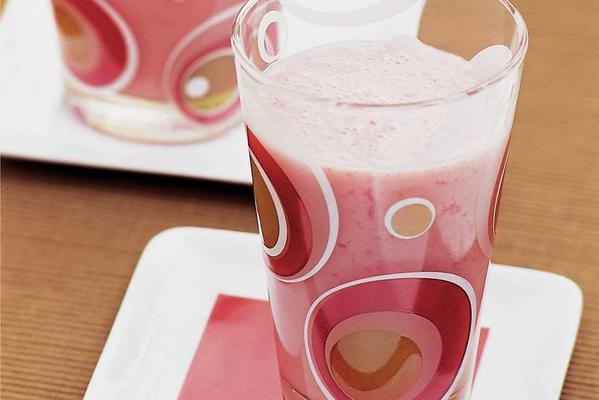 5 minDrink without alcoholbananas, cool fresh apple-pear raspberry juice, Soy drink vanilla,soy fruit shake
 -
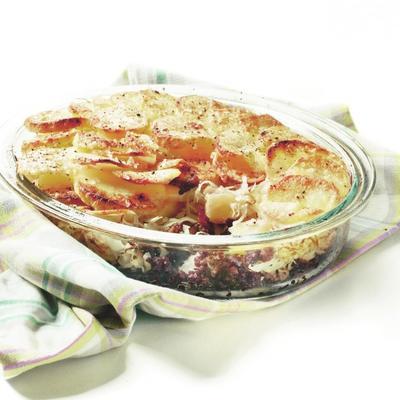 20 minMain dishsauerkraut, sticking potato, liquid baking product, half-to-half minced, Spice meatballs, pineapple, olive oil, liquid baking product,gratin sauerkraut dish with minced meat
 -
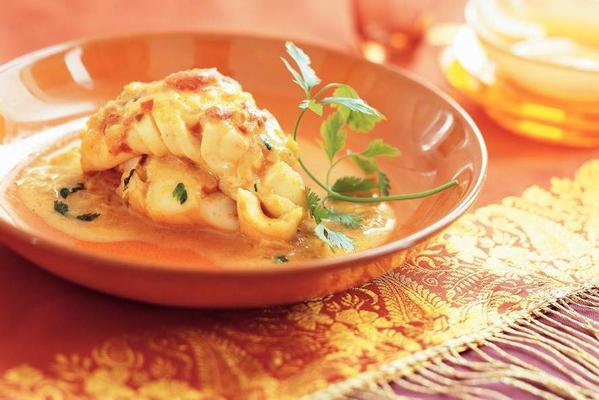 40 minMain dishlemongrass, fresh ginger, Red peppers, onions, tomato cubes, fresh cod fillet, coriander, oil, ground turmeric (koenjit), coconut milk, salt,fish in creamy coconut sauce
 -
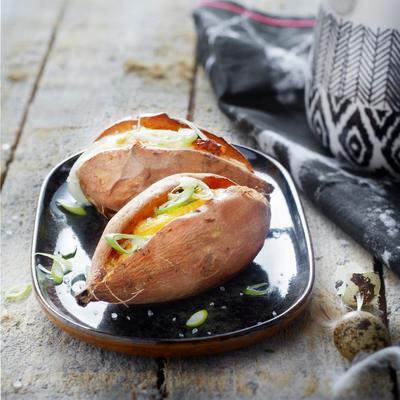 15 minSide dishsweet potato, soft goat cheese, egg, spring / forest onion,stuffed sweet potato with egg
Millet against gallstones
-
Millet and couscous are among the foods that help prevent gallstones. Some couscous is not made from millet but from durum wheat, which also contains a lot of fiber. The high amount of fiber in millet is responsible for this. Scientific research in America among 69,000 women has shown that fiber-rich grains, vegetables and fruit significantly reduce the chance of getting gallstones. In addition to the grain millet, wheat, rye, millet, Botanical drawing / Source: Public domain, Wikimedia Commons (PD) brown rice and spelled are important sources of fiber. The study found that the gallstone-preventing effect was strongest when fiber from cereals was combined with fiber from fruit and vegetables from high-fiber products such as cucumber, pear, pumpkin, apples, tomatoes, berries
The healing power of couscous
-
Couscous is a grain product from North Africa which, due to the influx of diligent workers from the African continent, has found its way into many Dutch-oriented kitchens. Couscous is made from pearl millet. Because couscous is a millet product, all the health benefits of millet mentioned in this article also apply to couscous. The same applies to millet that has been processed into semolina. Semolina porridge and semolina pudding are typical Dutch dishes. Semolina can be made from different grains such as millet, wheat, corn, spelled, rice or durum. Wheat is most commonly used in the Netherlands.