The healing power of passion flower or passiflora incarnata
-
The passion flower is perhaps the most beautiful flower in the world. This flower even has healing power. Its Latin name is passiflora incarnata. Passion originally meant suffering and floss means flower. Incarnata means 'embodied' or 'fallen into the flesh'. The flower was seen by Spanish missionaries as the embodiment of the suffering of Jesus. They gave the name to the passion flower, although their reasoning seems somewhat far-fetched. The flower has 5 petals and 5 sepals. These were symbolic of the 12 apostles, but Judas was a 'traitor' and Peter (a denier 'and therefore do not count. The three stamps represent the crucifixion nails. The 5 stamens for the wounds, the leaf of this plant represents the lance that pierced the side and the vine of the plant represents the flogging. In any case, the name comes from the Spanish mission in South America.
Passion flower and passion fruit
-
The passion flower is native to the warmer parts of North and South America. This flower is used all over the world as an ornamental plant, including in the Netherlands and Belgium. The plant never produces fruit in cold areas. In the winter he dies completely, but even if it has been a harsh winter he can completely revive, rise from his grave. It is the national symbol of the state of Tennessee in the USA. in addition, the same flower is the national flower of Paraguay. Today, the passion flower is grown in subtropical climate as an ornamental plant. Not every passion flower gets passion fruit. This passion fruit is found in the Americas and all of the Pacific, the islands in the Pacific, Indonesia and New Guinea. The passion flower referred to in this article is the passiflora incarnata
Nutritional value of passion flower
-
For medicinal use, the stem, leaves and flowers are used. Sometimes the whole plant, including the root, is used. The plant contains important phytonutrients, including the flavonoids: chrysin, vitexin, isovitexin, orientine, saponarine and shaftoside. Examples of flavonols in passion flower are: rutin, kaempferol and quercetin. Flavones in this beneficial flower are: a pigenin and luteolin. Furthermore, there is maltool, indole alkaloids and phytosterols in this beautiful climbing plant. Furthermore, it contains linoleic acid and alpha linolenic acid, healthy sugars such as natural fructose, glucose and the saccharose gum. It also contains phenolic acids, chlorogenic and amino acids
-
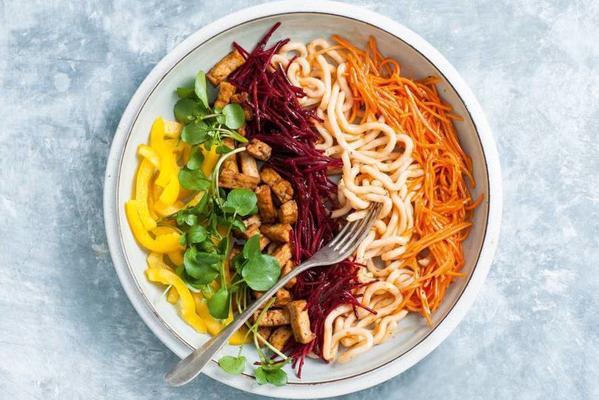 11 minMain dishpeanut oil, tofu stir-fry cubes finely seasoned, stir fry sauce sweet and sour, thick noodles, carrot julienne, beetroot julienne, yellow bell pepper, watercress,rainbow salad with tofu
 -
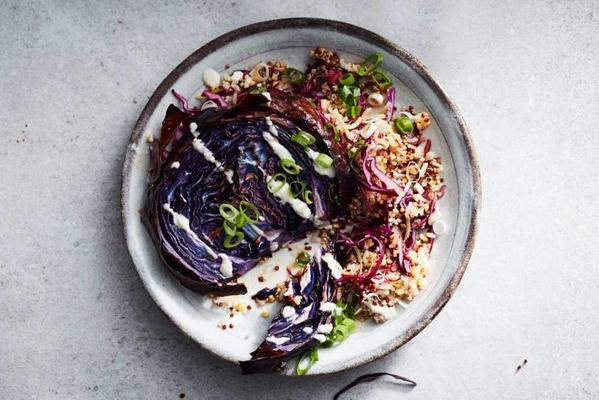 45 minMain dishRed cabbage, mild olive oil, quinoa plus, forest outing, lemon, sesame oil, soy sauce less salt, Bio Today tahini white in pot, tap water,grilled red cabbage with quinoa salad
 -
 30 minDessertBrie, Roquefort, port salut, gruyere, Camembert, walnut, garlic, thyme, honey, grape, baguette, Red onion, red grape, raisins, Red wine, Red wine vinegar, Brown sugar,generous cheese plate with onion marmalade
 -
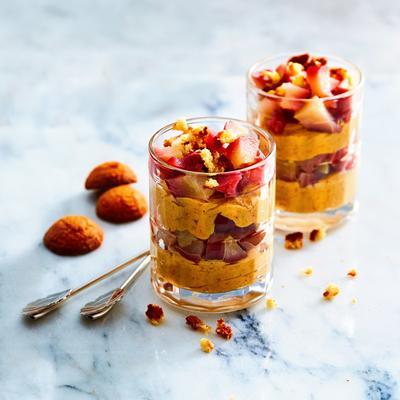 30 minDessertFull Milk, whipped cream, macaroon, custard powder, vanilla sugar, sugar, protein, amaretto, almond liqueur, basic recipe cooking pears,macaroon pastry with casserole
Passionflower against withdrawal symptoms
-
Many of the effects of passion flower concern psychological indications. A special indication is having withdrawal symptoms after an addiction. Someone who has smoked or wants to stop smoking
Scientifically researched effects
-
All medicinal effects for passion flower mentioned in this article are taken from Geert Verhelst's book Great Handbook of Medicinal Plants. This is a standard work in the field of phytotherapy
Warning
-
The maximum dose of passion flower is 4 to 8 grams. No harmful side effects are known at normal dosage. Very occasionally there are people with dizziness, weakness, hypersensitivity reactions in the form of nausea and vomiting or benign cardiac arrhythmias. Too high a dose is sleep-inducing and operating machines or driving a car is not recommended. Passionflower is not an addictive substance. People taking hypnotics, anti-anxiety drugs, antidepressants, and tranquillizers should only take passionflower as prescribed by a physician such as a herbalist or general practitioner because passionflower can interact with these medications and reduce or alter its effectiveness.
-
The maximum dose of passion flower is 4 to 8 grams. No harmful side effects are known at normal dosage. Very occasionally there are people with dizziness, weakness, hypersensitivity reactions in the form of nausea and vomiting or benign cardiac arrhythmias. Too high a dose is sleep-inducing and operating machines or driving a car is not recommended. Passionflower is not an addictive substance. People taking hypnotics, anti-anxiety drugs, antidepressants, and tranquillizers should only take passionflower as prescribed by a physician such as a herbalist or general practitioner because passionflower may interact with these medications, reducing or altering its effectiveness.
-
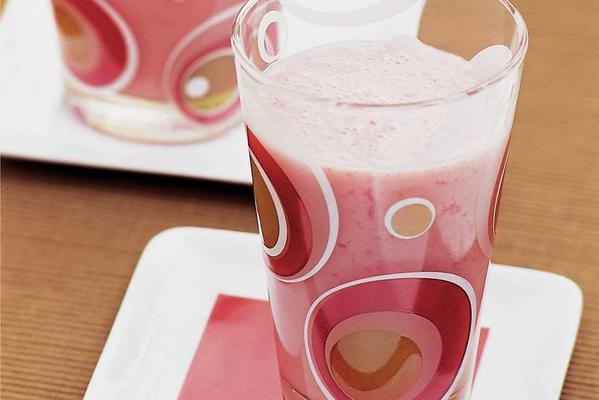 5 minDrink without alcoholbananas, cool fresh apple-pear raspberry juice, Soy drink vanilla,soy fruit shake
 -
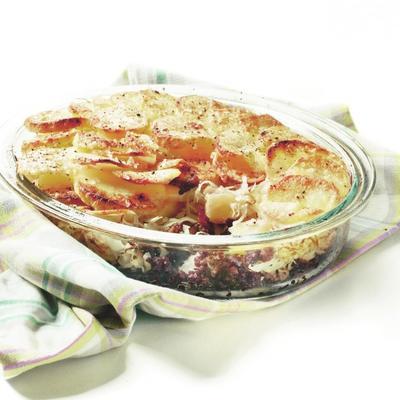 20 minMain dishsauerkraut, sticking potato, liquid baking product, half-to-half minced, Spice meatballs, pineapple, olive oil, liquid baking product,gratin sauerkraut dish with minced meat
 -
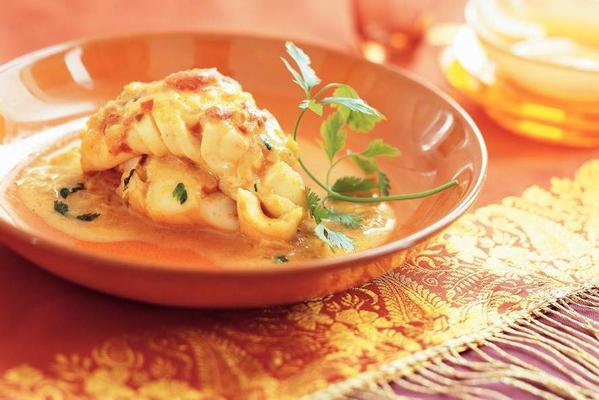 40 minMain dishlemongrass, fresh ginger, Red peppers, onions, tomato cubes, fresh cod fillet, coriander, oil, ground turmeric (koenjit), coconut milk, salt,fish in creamy coconut sauce
 -
 15 minSide dishsweet potato, soft goat cheese, egg, spring / forest onion,stuffed sweet potato with egg