The healing power of purslane
-
Surprisingly, purslane has more omega-3 fats than fish oil. Purslane is the vegetable with the most omega-3 fat of all vegetables. This is especially true for summer purslane, as winter purslane contains slightly less nutrients. Eating purslane used to be very common but has fallen into disuse after the Middle Ages. Nowadays it is all the rage to eat purslane again.
Ancient purslane
-
The ancient Greeks already used purslane as a medicine. Hippocrates prescribed purslane to cure fevers. Women's ailments, stomach pains and hemorrhoids were also cured by Hippocrates with this green leafy vegetable. He also recommended placing the leaves on an open wound so that the wound would heal more quickly. The ancient Romans used purslane as a vegetable. The Ancient Egyptians
Vitamins purslane
-
Purslane contains a remarkable amount of vitamin A. 100 grams of purslane contains 44% of the Recommended Daily Allowance (RDA) for this vitamin that is good for eyesight. Vitamin A is a strong antioxidant, just like vitamin C, which contains 35% of the RDI in an ounce of purslane. Other vitamins in this so-called Old Dutch vegetable
-
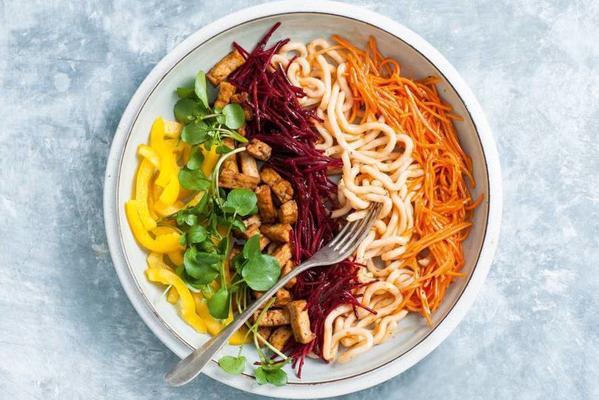 11 minMain dishpeanut oil, tofu stir-fry cubes finely seasoned, stir fry sauce sweet and sour, thick noodles, carrot julienne, beetroot julienne, yellow bell pepper, watercress,rainbow salad with tofu
 -
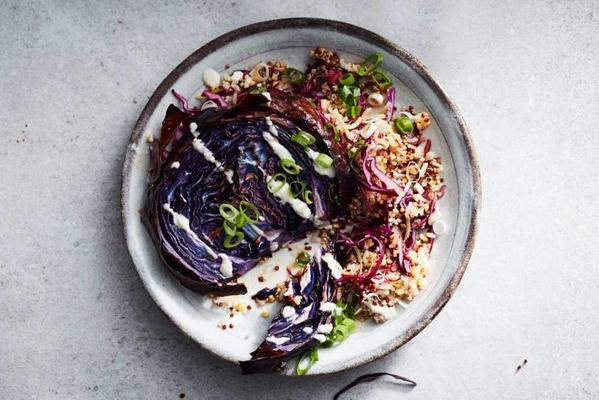 45 minMain dishRed cabbage, mild olive oil, quinoa plus, forest outing, lemon, sesame oil, soy sauce less salt, Bio Today tahini white in pot, tap water,grilled red cabbage with quinoa salad
 -
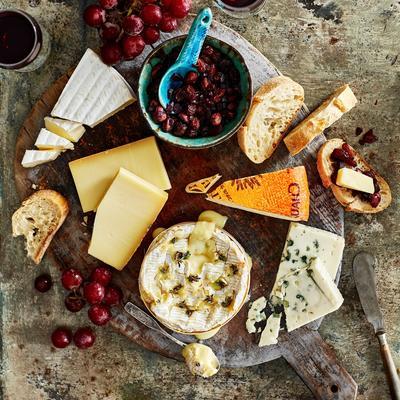 30 minDessertBrie, Roquefort, port salut, gruyere, Camembert, walnut, garlic, thyme, honey, grape, baguette, Red onion, red grape, raisins, Red wine, Red wine vinegar, Brown sugar,generous cheese plate with onion marmalade
 -
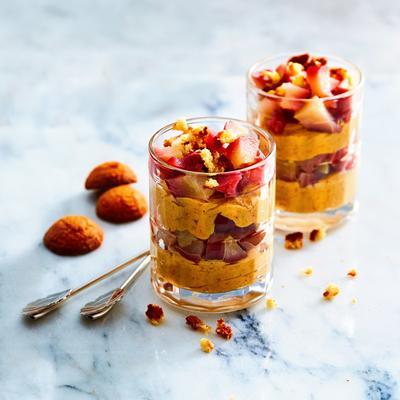 30 minDessertFull Milk, whipped cream, macaroon, custard powder, vanilla sugar, sugar, protein, amaretto, almond liqueur, basic recipe cooking pears,macaroon pastry with casserole
Minerals purslane
-
Purslane is a vegetable that is packed with iron. One ounce of this small leafy vegetable provides 25% of the RDI of iron. Magnesium has an RDA of 17% and manganese is in this vegetable with 13% of the RDA. Other minerals that have nestled in this vegetable delicacy are copper (13% RDA), potassium (11% RDA), calcium (7% RDA), phosphorus (6% RDA) and sodium chloride or salt
Omega3 fats in purslane
-
Various studies have shown that omega3 fatty acids are good for the heart. Less arteriosclerosis occurs if omega-3 fats are often eaten in the form of ALA fatty acids. ALA fatty acid in purslane, which stands for alpha linolenic acid, is also very good for the brain. Foods with omega-3 fats are recommended for people who suffer from depression. Summer purslane is an excellent addition to a diet against depression
Purslane: brain food
-
Omega3 fats are good for the brain and help to fight depression. In addition, purslane contains more substances that make the brain work better. For example, it contains the amino acid tryptophan and phenylalaline. Magnesium, calcium and potassium are also good for fighting depression. Curing depression with food is often better than taking drugs with strong side effects. Phytotherapists will advise the use of multiple foods to deal with depression. Walnuts, sesame seeds and linseed also contain a lot of omega-3 fats. In addition, foods that are good for the capillaries in the brain are also very important. Garlic or a ginkgo biloba preparation can be an adequate means for this. Because of its medicinal properties for the brain, purslane is a power for the mind
-
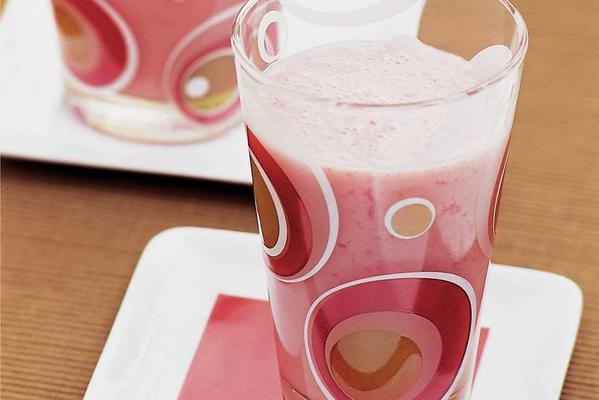 5 minDrink without alcoholbananas, cool fresh apple-pear raspberry juice, Soy drink vanilla,soy fruit shake
 -
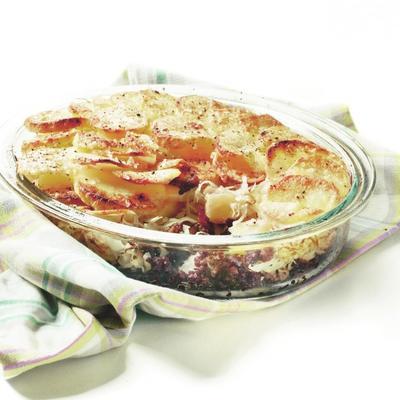 20 minMain dishsauerkraut, sticking potato, liquid baking product, half-to-half minced, Spice meatballs, pineapple, olive oil, liquid baking product,gratin sauerkraut dish with minced meat
 -
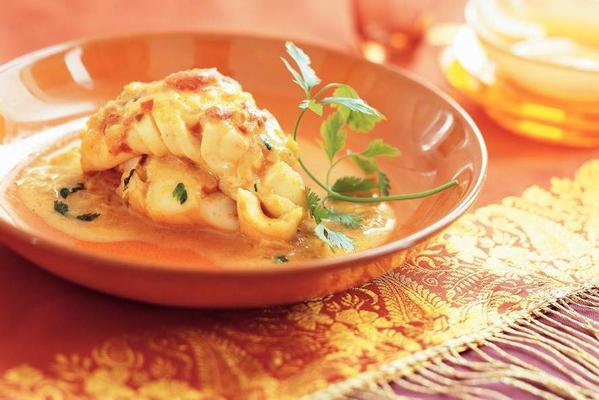 40 minMain dishlemongrass, fresh ginger, Red peppers, onions, tomato cubes, fresh cod fillet, coriander, oil, ground turmeric (koenjit), coconut milk, salt,fish in creamy coconut sauce
 -
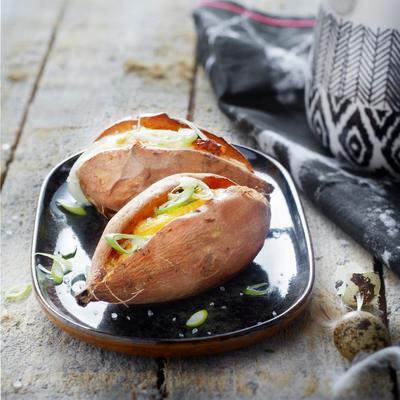 15 minSide dishsweet potato, soft goat cheese, egg, spring / forest onion,stuffed sweet potato with egg
Purslane against inflammation
-
Glutathione, which can be made by the body from substances in purslane, is probably the strongest antioxidant our body has. Antioxidants prevent inflammation at the cellular level. These inflammations are the root cause of many degenerative diseases such as cancer and cardiovascular disease
Tips for eating purslane
-
Purslane can be eaten raw as salad. You can use purslane as an alternative lettuce leaf in any salad. On Crete people like to eat purslane mixed with yogurt as a salad. You can come across purslane in a soup. You can add it raw to a mashed potato to create a purslane stew. Purslane is very suitable for a side dish. This vegetable does not need to be cooked or only briefly. Blanching is good enough.