Varicose veins: what can you do about it yourself?
-
Varicose veins are not nice. Sometimes they are so large and painful that medical intervention is necessary; but often you can alleviate the discomfort yourself by adjusting your lifestyle. You can go a long way with these diet and exercise tips.
-
Varicose veins are twisting blood vessels that are often visible through the skin. It can be very small blood vessels or larger dilated vessels visible as strands. About 25 percent of the population - including men - suffer from varicose veins. Varicose veins do not always cause complaints. A number of people with varicose veins experience itching, a heavy, tired feeling in the legs or pain. Risk factors are hereditary burden, age, pregnancy and a standing occupation. People who smoke, people who are overweight or people whose heart is not pumping powerfully enough are also extra sensitive to getting varicose veins.
Movement
-
As mentioned, lifestyle can influence the development of varicose veins. More movement, doing calf muscle exercises and avoiding sitting and standing for a long time can reduce the complaints, although the varicose veins will not go away. Walking, cycling, swimming and jogging are also good to combat varicose veins. Walking barefoot on sand, grass or gravel and tiptoe are also good exercises. Already existing varicose veins get much less pressure from the movement, making them less painful. And good circulation helps prevent new varicose veins.
-
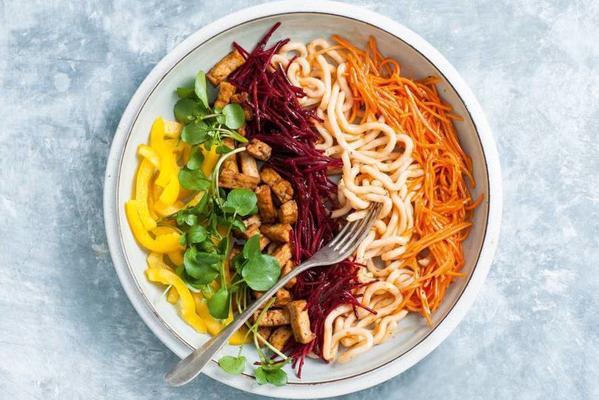 11 minMain dishpeanut oil, tofu stir-fry cubes finely seasoned, stir fry sauce sweet and sour, thick noodles, carrot julienne, beetroot julienne, yellow bell pepper, watercress,rainbow salad with tofu
 -
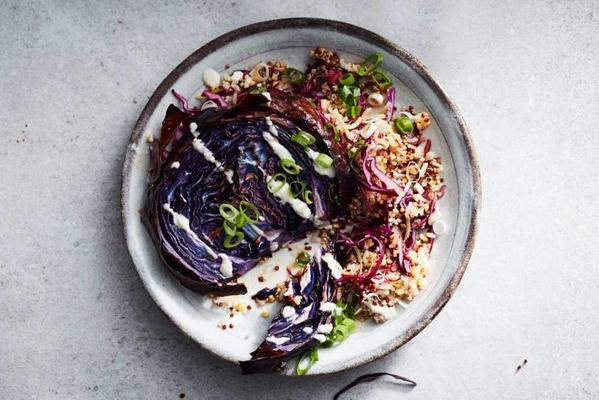 45 minMain dishRed cabbage, mild olive oil, quinoa plus, forest outing, lemon, sesame oil, soy sauce less salt, Bio Today tahini white in pot, tap water,grilled red cabbage with quinoa salad
 -
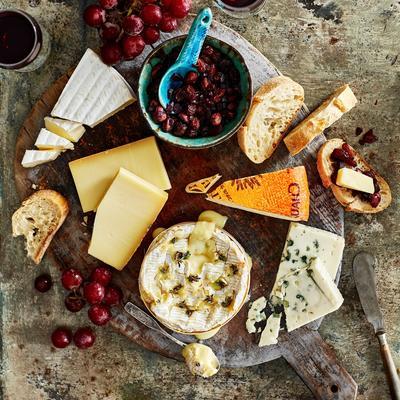 30 minDessertBrie, Roquefort, port salut, gruyere, Camembert, walnut, garlic, thyme, honey, grape, baguette, Red onion, red grape, raisins, Red wine, Red wine vinegar, Brown sugar,generous cheese plate with onion marmalade
 -
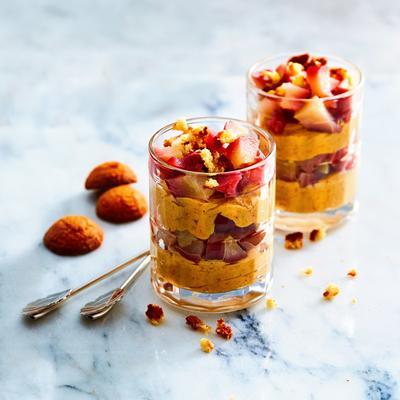 30 minDessertFull Milk, whipped cream, macaroon, custard powder, vanilla sugar, sugar, protein, amaretto, almond liqueur, basic recipe cooking pears,macaroon pastry with casserole
Power Supply
-
Once you have varicose veins, they will not go away on their own. There are therefore no foods that can cure varicose veins. There are nutrients that help to prevent varicose veins and reduce existing complaints, partly because they are good for blood circulation. A healthy diet also helps to reduce obesity, one of the risk factors for varicose veins. A healthy, varied diet with lots of whole grain products is actually the basis. Lime and silica (silicea) are said to help prevent varicose veins and reduce symptoms. The latter is found in whole grains, milk, egg yolk, types of cabbage and, for example, parsnips. Foods rich in calcium include white cabbage, carrots, almonds, raisins and sauerkraut. Blueberries, beta-carotene, selenium, zinc, vitamins C and E and omega-3 fatty acids are also attributed to alleviate varicose veins. Keep in mind that vitamin E has a blood-thinning effect, so it is not wise to take a supplement if you use blood thinners. In the case of blood thinners, always consult your doctor first. Furthermore, aescin, the active substance from the wild horse chestnut, and vine leaves are said to improve the blood flow in the large leg veins and strengthen the vein walls, thus having a beneficial effect on varicose veins. Finally, avoid alcohol, coffee and overly spicy food and rather stop smoking.
Clothing
-
If you are predisposed to varicose veins, work a lot, are pregnant or perhaps already have varicose veins, appropriate clothing can help alleviate the burden. For example, avoid tight-fitting, tight clothing and keep your feet warm by wearing stockings and warm shoes. Sometimes an elastic bandage can bring relief and the doctor may prescribe compression stockings.
Body care
-
Swap baths stimulate blood circulation and are therefore recommended for varicose veins. A leg massage, possibly with a special cream, is also a good idea. Avoid heat and sunlight. Heat causes the veins in your legs to expand. Preferably no sun bath or Turkish bath. Because of the heat, depilation of your legs with warm wax is also not recommended; prefer a razor blade.
-
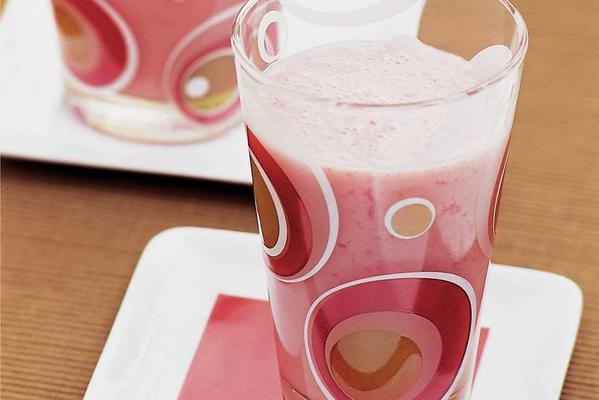 5 minDrink without alcoholbananas, cool fresh apple-pear raspberry juice, Soy drink vanilla,soy fruit shake
 -
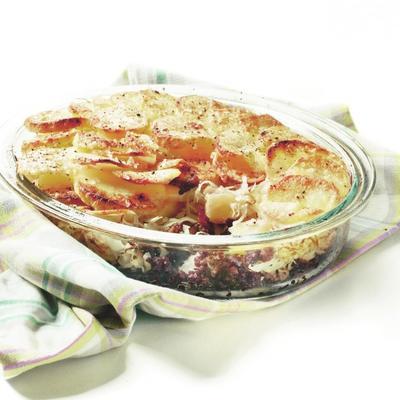 20 minMain dishsauerkraut, sticking potato, liquid baking product, half-to-half minced, Spice meatballs, pineapple, olive oil, liquid baking product,gratin sauerkraut dish with minced meat
 -
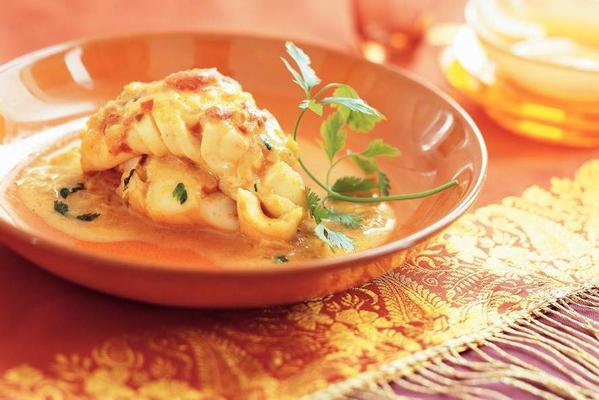 40 minMain dishlemongrass, fresh ginger, Red peppers, onions, tomato cubes, fresh cod fillet, coriander, oil, ground turmeric (koenjit), coconut milk, salt,fish in creamy coconut sauce
 -
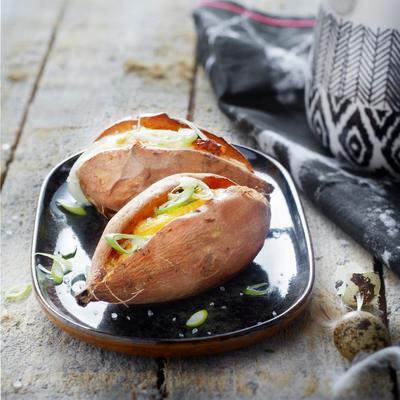 15 minSide dishsweet potato, soft goat cheese, egg, spring / forest onion,stuffed sweet potato with egg