What can I eat in case of lactose intolerance?
-
In case of lactose intolerance, first check how much dairy products such as milk and yogurt you can still tolerate. You supplement the rest of the recommended daily amount with dairy substitutes. This way you ensure that you get all the nutrients from dairy. In the Wheel of Five for you you can see how much dairy (replacements) you need every day.
Doctor and dietitian
-
Do you suspect that you have lactose intolerance? Then go to your doctor to see if that is indeed where your problems come from. Maybe there is some other cause. And it is a big decision to eliminate dairy products from your diet. This puts you on a strict diet and you miss a source of important nutrients. Has the diagnosis been made? Then we recommend going to a dietician. A dietitian will help with the new diet and make sure you don't get a nutrient shortage.
Why dairy?
-
Dairy is an important source of protein, calcium, vitamin B2 and vitamin B12. In addition, you reduce the risk of colon cancer with your daily portion of dairy. If you eat yogurt, you also reduce the risk of type 2 diabetes (diabetes). It could be that this beneficial effect is due to the calcium, but it could also be that it is due to other substances.
-
 11 minMain dishpeanut oil, tofu stir-fry cubes finely seasoned, stir fry sauce sweet and sour, thick noodles, carrot julienne, beetroot julienne, yellow bell pepper, watercress,rainbow salad with tofu
-
 45 minMain dishRed cabbage, mild olive oil, quinoa plus, forest outing, lemon, sesame oil, soy sauce less salt, Bio Today tahini white in pot, tap water,grilled red cabbage with quinoa salad
-
 30 minDessertBrie, Roquefort, port salut, gruyere, Camembert, walnut, garlic, thyme, honey, grape, baguette, Red onion, red grape, raisins, Red wine, Red wine vinegar, Brown sugar,generous cheese plate with onion marmalade
-
 30 minDessertFull Milk, whipped cream, macaroon, custard powder, vanilla sugar, sugar, protein, amaretto, almond liqueur, basic recipe cooking pears,macaroon pastry with casserole
Lactose-free diet: how much lactose can you tolerate?
-
Because of the positive effects of milk and yogurt on your health, we advise you to investigate how much lactose your body can still tolerate. On average, people with a lactose intolerance can use 10 to 15 grams of lactose without getting complaints. This is about a large mug of milk. You can determine the right amount for you step by step with the help of a dietician. If you can tolerate some lactose, it is wise to spread this amount over the day.
Lactose-free food
-
Usually it is not necessary to avoid products with lactose completely. In exceptional cases, someone can develop complaints after a very small amount of lactose. Only then is a lactose-free diet necessary. In such a case, a dietitian is even more important.
Recipes without milk
-
You can find recipes without milk on our recipe site.
-
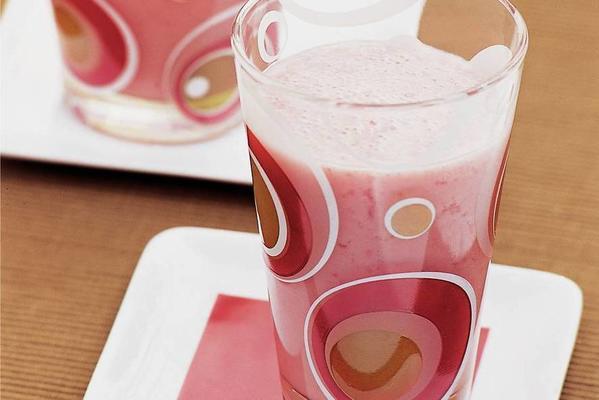 5 minDrink without alcoholbananas, cool fresh apple-pear raspberry juice, Soy drink vanilla,soy fruit shake
-
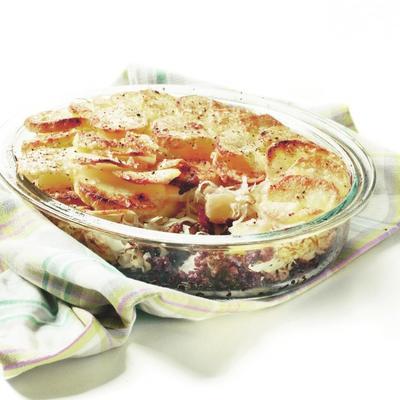 20 minMain dishsauerkraut, sticking potato, liquid baking product, half-to-half minced, Spice meatballs, pineapple, olive oil, liquid baking product,gratin sauerkraut dish with minced meat
-
 40 minMain dishlemongrass, fresh ginger, Red peppers, onions, tomato cubes, fresh cod fillet, coriander, oil, ground turmeric (koenjit), coconut milk, salt,fish in creamy coconut sauce
-
 15 minSide dishsweet potato, soft goat cheese, egg, spring / forest onion,stuffed sweet potato with egg
How do you read the label?
-
The label states whether a product contains milk or milk components. If so, the product almost always contains lactose as well. Hard cheese, such as Gouda cheese, is the exception. It contains milk, but (almost) all lactose has been removed. Milk ingredients Milk constituents are the different components that are in milk. These can be removed from the milk and added as a separate part to a food. How much trouble you have from milk components depends on your sensitivity to lactose and the amount of lactose in a product. The milk components are listed below. The law states that it must be clearly visible when there are milk or milk components in a product. Often it is immediately clear, such as with milk powder or butter oil. Unclear names, such as casein and whey, must be clarified by law. For example, the label says casein (milk). Milk components with lactose: lactose lactoval milk derivative whey lactalbumin concentrated butter milk sugar recaldent casein whey powder lactoferrin butter oil skimmed milk solids transglutaminase caseinate milk powder beta-lactoglobulin butter (powder) dry milk solids nisin (E234) milk protein skimmed-milk powder lactoperoxidase milk fat curd full milkpowder hydrolyzed milk protein milk salt Exception: lactate / lactic acid Based on the name, lactate / lactic acid appears to contain lactose. That is not true. It does not come from milk and does not contain lactose. Lactate is used as an acidity regulator and added to, for example, bread. Furthermore, the sweetener lactitol is prepared from lactose, but it no longer contains lactose due to the preparation. Cream, yogurt and butter If the ingredients list says cream, yogurt or butter, the product contains milk. But with these ingredients, milk does not have to be mentioned separately on the label. Traces of… Sometimes it says "may contain traces of milk" on the packaging. Then it is not an ingredient, but the product comes, for example, from a factory where they also make milk products. As a precaution, the manufacturer puts this on the packaging. You can eat products that mention this if you have lactose intolerance.
Tool: "Choose I Healthy?" App
-
In this app you can set milk (including lactose) using the ingredient checker. The app then indicates per product whether it contains milk and therefore lactose. Note: there are products, such as hard cheese, that contain milk but no lactose. View the app and download for free.