Black-eyed bean: nutritional value and use of the legume
-
The black-eyed bean is a healthy legume that can be used for various dishes. The bean contains a lot of vegetable protein, fiber, carbohydrates and vitamins and minerals. The plant is mainly grown for its edible beans, but the leaves and the young unripe pods can also be used as a vegetable. Legumes are part of the Write of Five and the Nutrition Center recommends eating legumes at least once a week.
What is a black-eyed bean?
-
The black-eyed bean is a variety of the cowpea (Vigna unguiculata). This species belongs to the genus Vigna, this genus is part of the legume family (Fabaceae). The garter and the bamboo bean also belong to the genus Vigna. The Vigna unguiculata is an annual fast-growing plant that has many variations in both the growth of the plant (French beans and bush beans) and in the shapes and colors of the beans. The black-eyed bean is a cream-colored bean with a black dot. This dot is where the bean was attached to the pod. The bean is the seed of the legume. The hanging legume is long and thin and about 20 to 30 centimeters long. The pod contains on average between six and thirteen seeds. The crop is mainly grown for its edible beans, but the leaves and unripe young pods can also be eaten. The leaf can be compared to spinach leaf. And young stunted pods can be compared to green beans.
Where does the bean grow?
-
The bean is widely cultivated in subtropical and tropical regions. More than half of this cultivation takes place in Africa in countries such as Nigeria, Niger, Burkina Faso. In these countries, the black-eyed bean is a staple crop, comparable to our potato. Outside of Africa, the bean is cultivated in Brazil, parts of Southeast Asia and in the southern states of the United States.
-
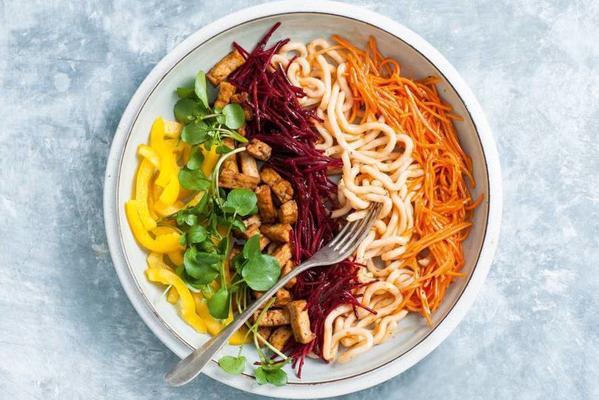 11 minMain dishpeanut oil, tofu stir-fry cubes finely seasoned, stir fry sauce sweet and sour, thick noodles, carrot julienne, beetroot julienne, yellow bell pepper, watercress,rainbow salad with tofu
 -
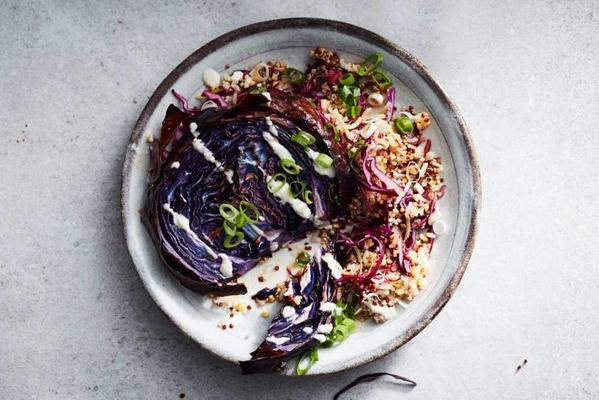 45 minMain dishRed cabbage, mild olive oil, quinoa plus, forest outing, lemon, sesame oil, soy sauce less salt, Bio Today tahini white in pot, tap water,grilled red cabbage with quinoa salad
 -
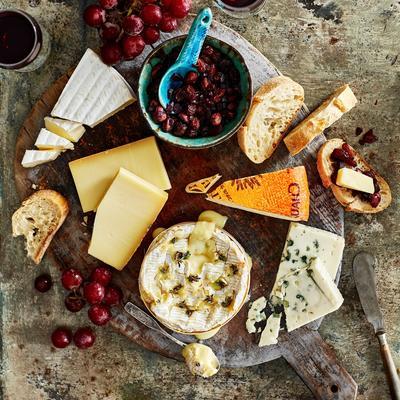 30 minDessertBrie, Roquefort, port salut, gruyere, Camembert, walnut, garlic, thyme, honey, grape, baguette, Red onion, red grape, raisins, Red wine, Red wine vinegar, Brown sugar,generous cheese plate with onion marmalade
 -
 30 minDessertFull Milk, whipped cream, macaroon, custard powder, vanilla sugar, sugar, protein, amaretto, almond liqueur, basic recipe cooking pears,macaroon pastry with casserole
The growing conditions
-
The crop thrives in extreme drought and can grow in sandy, nutrient-poor soil, provided it is well-drained. The plant needs a lot of sun and high temperatures with mild rainfall. When the pods start to discolor, harvesting of the pods can begin. This is approximately 70 to 100 days after sowing, depending on weather conditions.
The nutritional value of the black-eyed bean
-
Black-eyed beans contain hardly any fat and have a high nutritional value.
Carbohydrates
-
The beans are high in carbohydrates. This concerns complex carbohydrates. These carbohydrates digest slowly, keeping the blood sugar level stable.
-
 5 minDrink without alcoholbananas, cool fresh apple-pear raspberry juice, Soy drink vanilla,soy fruit shake
 -
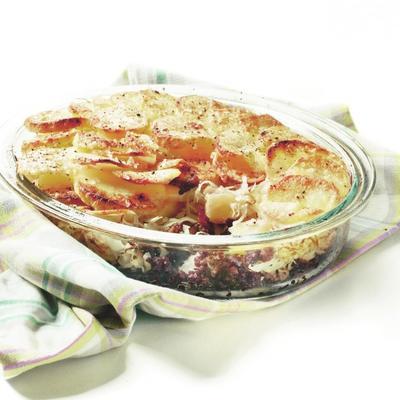 20 minMain dishsauerkraut, sticking potato, liquid baking product, half-to-half minced, Spice meatballs, pineapple, olive oil, liquid baking product,gratin sauerkraut dish with minced meat
 -
 40 minMain dishlemongrass, fresh ginger, Red peppers, onions, tomato cubes, fresh cod fillet, coriander, oil, ground turmeric (koenjit), coconut milk, salt,fish in creamy coconut sauce
 -
 15 minSide dishsweet potato, soft goat cheese, egg, spring / forest onion,stuffed sweet potato with egg
Proteins
-
Black-eyed beans contain a fair amount of vegetable protein and essential amino acids. These are partly necessary for the production of hormones and the building of muscles and bones. Vegetable protein is a good substitute for animal protein. The beans do contain a lower proportion of methionine and cysteine compared to animal proteins and grains. That is why it is good to combine the beans with meat or a grain.
Vitamins
-
The beans contain B1, B2, B3, B5 and B6 and a lot of folic acid. Folic acid is good for pregnant women, the vitamin is very important for the development of the fetus. Vitamins E and K are also present in the beans. Vitamin C is not present in the dried beans, but it can be found in the young immature pods and in the leaves of the crop.
Minerals
-
The black-eyed beans contain the minerals: calcium, zinc, sodium, iron, magnesium, manganese and phosphorus. The iron in the beans binds to the protein hemoglobin and helps red blood cells transport oxygen from the lungs to the body cells. The mineral iron also supports the immune system. The mineral zinc is also important for the immune system. Zinc is also important for hormone production and good brain function.
-
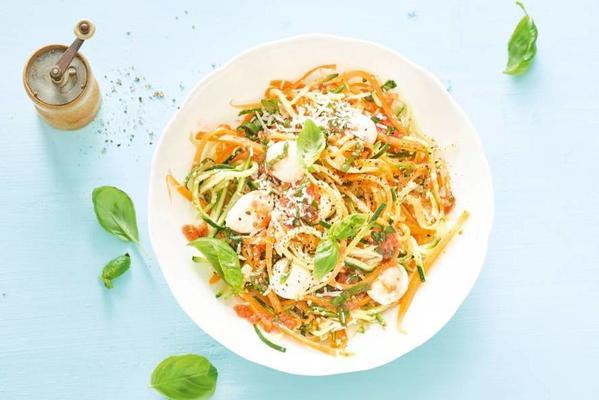 20 minMain dishTasty vine tomato, (olive oil, fresh basil, onion, garlic, Parmigiano Reggiano, zucchini spaghetti, pumpkin spaghetti, mini buffalo mozzarella,lukewarm pumpkin and zucchini spaghetti
 -
 15 minSide dishtraditional olive oil, curry powder, wheat flour, coconut milk, sambal oelek, chicken broth tablet, water, fresh mango,curry sauce with mango
 -
 30 minMain dishtraditional olive oil, lean ground beef, frozen Mexican wok vegetables, salsa sauce mild, taco shell, grated young cheese, creme fraiche,Mexican vegetable in tacos
 -
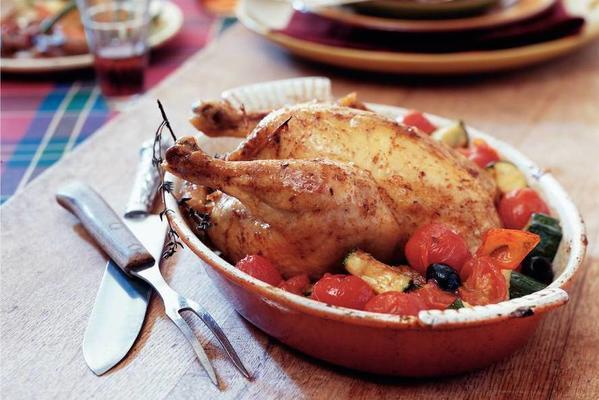 95 minMain dishmaize chicken, lemon, coarse sea salt, pepper, extra virgin olive oil, garlic, thyme, zucchini, tomatoes (small to), black olives without pit,provençal chicken with zucchini and tomatoes
Fibers
-
The large amount of fiber present in the beans is good for our intestines. They make the stool flexible and thus ensure a faster flow of the stool through the intestines. In addition, fiber slows down the absorption of glucose. Fiber also ensures a long feeling of satiety. In addition, they lower cholesterol in the blood, because they are able to bind the bad LDL cholesterol. This is good for the heart and blood vessels.
Ways to Use Black Eyed Beans
-
Black-eyed beans have a firm structure and a mild sweet taste. The beans can be used both fresh and dried for various dishes such as soups, sauces or stews. Before use it is good to soak the dried beans. This shortens cooking time and also reduces gas build-up during the digestion of the beans. Examples of various dishes prepared with black-eyed beans are: