Caffeine for your health - Healthy or unhealthy?
-
Coffee, it's no longer something simple like "just black / milk / sugar". You now have latte macchiato, double espresso, moca coffee, cappuccino and much more. Just take a look at a coffee house and you know what I mean. People today consume a lot more caffeine than ever before. Coffee sales alone have increased by 10% in the past 4 years. And the sales of hot chocolate milk has increased by 17%. What many people don't know is that hot chocolate milk also contains caffeine.
Caffeine
-
The effects of caffeine have been extensively studied and caffeine can unknowingly affect your body in a surprising number of ways. Caffeine is a powerful stimulant that immediately wakes you up, causes jitters, boosts blood pressure and can even cause headaches. In some cases there is even a serious coffee addiction.
-
Although a caffeine addiction (1) is not a serious addiction, withdrawal symptoms can still occur when you suddenly stop taking caffeine. Common symptoms include headache and fatigue.
-
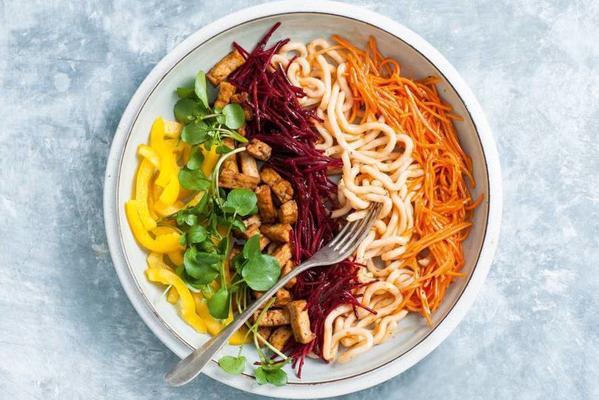 11 minMain dishpeanut oil, tofu stir-fry cubes finely seasoned, stir fry sauce sweet and sour, thick noodles, carrot julienne, beetroot julienne, yellow bell pepper, watercress,rainbow salad with tofu
 -
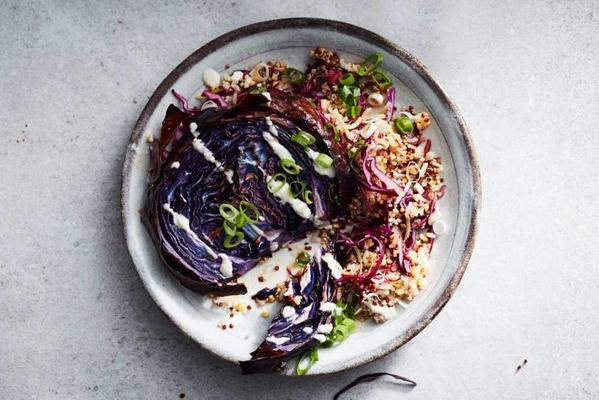 45 minMain dishRed cabbage, mild olive oil, quinoa plus, forest outing, lemon, sesame oil, soy sauce less salt, Bio Today tahini white in pot, tap water,grilled red cabbage with quinoa salad
 -
 30 minDessertBrie, Roquefort, port salut, gruyere, Camembert, walnut, garlic, thyme, honey, grape, baguette, Red onion, red grape, raisins, Red wine, Red wine vinegar, Brown sugar,generous cheese plate with onion marmalade
 -
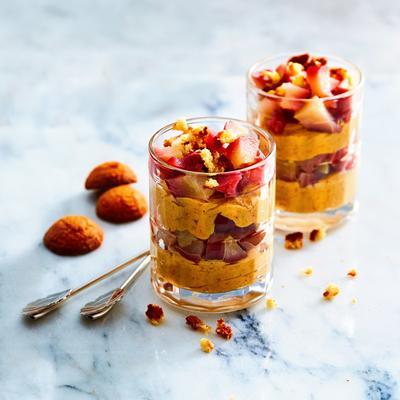 30 minDessertFull Milk, whipped cream, macaroon, custard powder, vanilla sugar, sugar, protein, amaretto, almond liqueur, basic recipe cooking pears,macaroon pastry with casserole
-
Well, now let's see what caffeine is good for. Normally, caffeine isn't bad for you. Only in moderate amounts do some health benefits come into play. A daily cup of coffee or tea can relieve asthma and help you lose weight (2). In addition, coffee, tea and chocolate also contain antioxidants that are good for your immune system and have the advantage of protecting you against both cancer and cardiovascular disease.
-
Read more: Free radicals and antioxidants
-
Research has shown that a moderate amount of caffeine (of about 300 milligrams) is fine. That is the same as two to 3 cups of coffee. It should be noted, however, that some people can be very sensitive to caffeine and is not convenient to take before going to sleep.
-
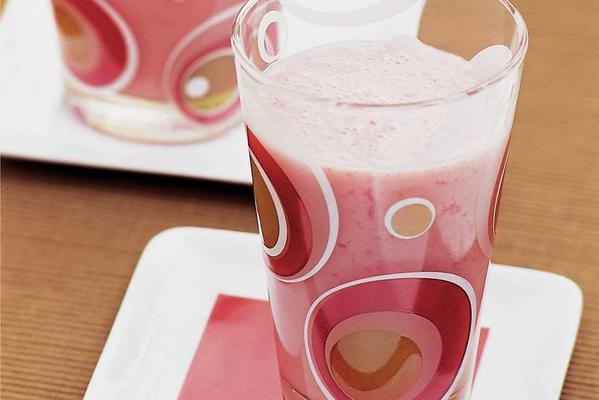 5 minDrink without alcoholbananas, cool fresh apple-pear raspberry juice, Soy drink vanilla,soy fruit shake
 -
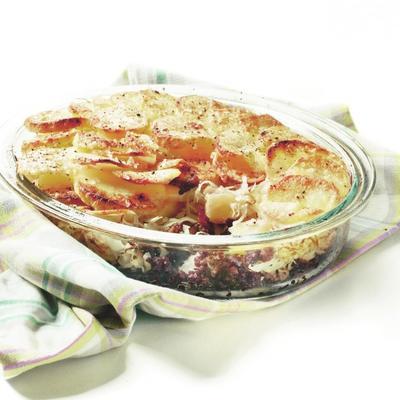 20 minMain dishsauerkraut, sticking potato, liquid baking product, half-to-half minced, Spice meatballs, pineapple, olive oil, liquid baking product,gratin sauerkraut dish with minced meat
 -
 40 minMain dishlemongrass, fresh ginger, Red peppers, onions, tomato cubes, fresh cod fillet, coriander, oil, ground turmeric (koenjit), coconut milk, salt,fish in creamy coconut sauce
 -
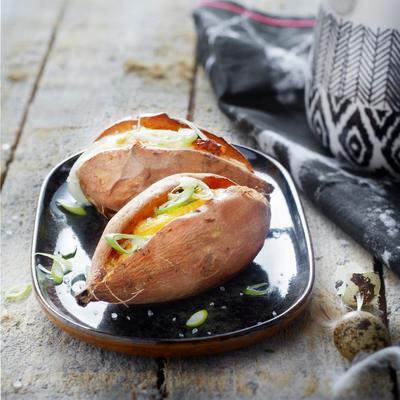 15 minSide dishsweet potato, soft goat cheese, egg, spring / forest onion,stuffed sweet potato with egg
-
Overweight Drinking a cup of coffee or tea can boost your metabolism and give you energy during exercise.
-
Asthma During asthma attacks, the airways are closed and problems with breathing can occur. Caffeine is an anti-asthma substance that relaxes the muscles and keeps the airways open (3).
-
Cancer Some studies already indicate that people who drink coffee have a lower risk of certain cancers.
-
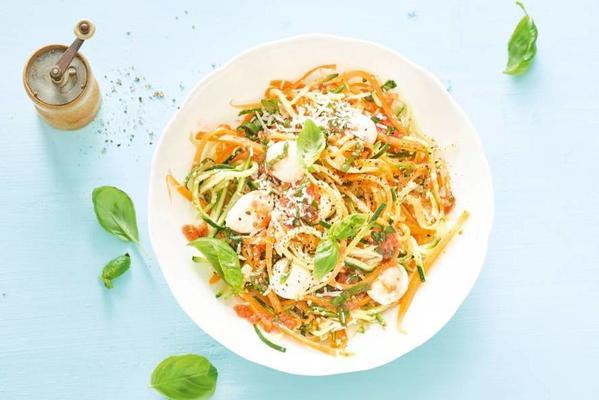 20 minMain dishTasty vine tomato, (olive oil, fresh basil, onion, garlic, Parmigiano Reggiano, zucchini spaghetti, pumpkin spaghetti, mini buffalo mozzarella,lukewarm pumpkin and zucchini spaghetti
 -
 15 minSide dishtraditional olive oil, curry powder, wheat flour, coconut milk, sambal oelek, chicken broth tablet, water, fresh mango,curry sauce with mango
 -
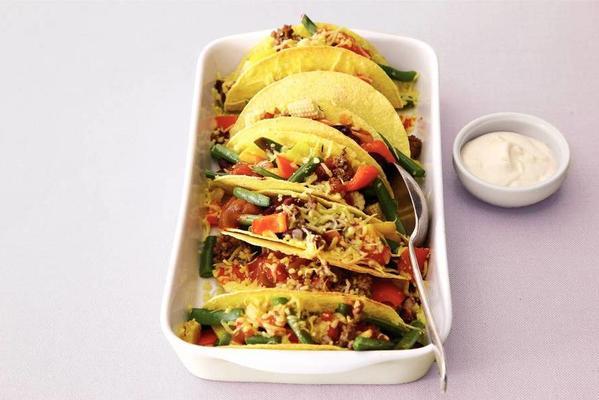 30 minMain dishtraditional olive oil, lean ground beef, frozen Mexican wok vegetables, salsa sauce mild, taco shell, grated young cheese, creme fraiche,Mexican vegetable in tacos
 -
 95 minMain dishmaize chicken, lemon, coarse sea salt, pepper, extra virgin olive oil, garlic, thyme, zucchini, tomatoes (small to), black olives without pit,provençal chicken with zucchini and tomatoes
-
Dizziness If you are prone to feeling dizzy or even dizzy because your blood pressure drops after a large meal, a cup of coffee or tea can be great for reducing the symptoms of tiredness, dizziness and fainting because caffeine temporarily raises your blood pressure.
-
Cholesterol Drinking unfiltered coffee can threaten your cholesterol levels. Examples are instant coffee. According to scientists, certain substances are responsible for the increase in cholesterol found in coffee. That is why it is important to drink coffee prepared with a filter before drinking coffee and avoid instant coffee.
-
As you may have read, caffeine is not necessarily bad for you, as long as you consume moderate amounts per day and ensure that you are consuming good quality and well filtered coffee. For more tips on nutrition, sports and much more, please read on below!
-
As you may have read, caffeine is not necessarily bad for you, as long as you consume moderate amounts per day and ensure that you are consuming good quality and well filtered coffee. For more tips on nutrition, sports and much more, read on below!