Complete overview of all vitamins
-
In the overview below you can read of all vitamins in which nutrient they occur, what the most important contributions of the vitamin to the body are, in which year it was discovered and what the scientific name of the vitamin. For example, vitamin B8 used to be known as iotine. Today we call this vitamin H. As a result, the numbering of the vitamin B complex is no longer correct in the sense that there are some gaps. In this article I have followed the order and naming that is currently customary in the majority of countries.
-
In the overview below you can read of all vitamins in which nutrient they occur, what the most important contributions of the vitamin to the body are, in which year it was discovered and what the scientific name of the vitamin. For example, vitamin B8 used to be known as iotine. Today we call it vitamin H. As a result, the numbering of the vitamin B complex is no longer correct in the sense that there are some gaps. In this article I have followed the order and naming that is currently customary in the majority of countries.
Introduction
-
Vitamins are substances that you need in very small amounts. Along with minerals, amino acids
Vitamin A
-
Vitamin A was discovered in 1913 and is also called retinol. It is a fat soluble vitamin. Retinol is necessary for good resistance to diseases. This substance is particularly beneficial for the eyesight, skin, gums and hair. Vitamin A is mainly found in butter, milk products, eggs and fish. Vegetables contain carotenes. This can be alpha carotene, beta carotene, gamma carotene and xanthophyll. The human body converts these carotenes and carotenoids into retinol, or vitamin A. The substance is found in all kinds of vegetables and yellow-orange fruit. The orange carrot is known for its high vitamin A content. However, this substance is not only in carrot but in many vegetables, fruit and dairy such as dandelion leaves, broccoli, sweet potato, butter, spinach, pumpkin, Dutch cheese, eggs, apricot, papaya, mango, peas, zucchini and milk . Provitamin A, like vitamins C and E, works as an antioxidant against free radicals. Free radicals are a major cause of lifestyle diseases such as cardiovascular disease, cancer and diabetes
-
Vitamin A was discovered in 1913 and is also called retinol. It is a fat soluble vitamin. Retinol is necessary for good resistance to diseases. This substance is particularly beneficial for the eyesight, skin, gums and hair. Vitamin A is mainly found in butter, milk products, eggs and fish. Vegetables contain carotenes. This can be alpha carotene, beta carotene, gamma carotene and xanthophyll. The human body converts these carotenes and carotenoids into retinol, or vitamin A. The substance is found in all kinds of vegetables and yellow-orange fruit. The orange carrot is known for its high vitamin A content. However, this substance is not only found in carrot but in many vegetables, fruit and dairy such as dandelion leaves, broccoli, sweet potato, butter, spinach, pumpkin, Dutch cheese, eggs, apricot, papaya, mango, peas, zucchini and milk. . Provitamin A, like vitamins C and E, works as an antioxidant against free radicals. Free radicals are a major cause of lifestyle diseases such as cardiovascular disease, cancer and diabetes
-
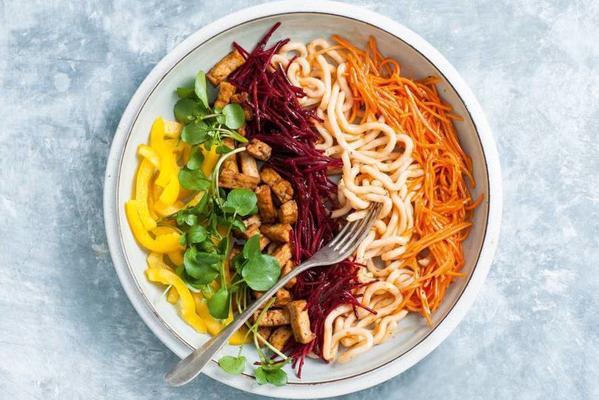 11 minMain dishpeanut oil, tofu stir-fry cubes finely seasoned, stir fry sauce sweet and sour, thick noodles, carrot julienne, beetroot julienne, yellow bell pepper, watercress,rainbow salad with tofu
 -
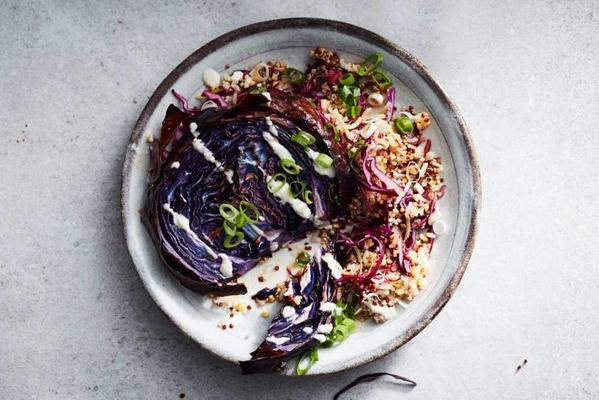 45 minMain dishRed cabbage, mild olive oil, quinoa plus, forest outing, lemon, sesame oil, soy sauce less salt, Bio Today tahini white in pot, tap water,grilled red cabbage with quinoa salad
 -
 30 minDessertBrie, Roquefort, port salut, gruyere, Camembert, walnut, garlic, thyme, honey, grape, baguette, Red onion, red grape, raisins, Red wine, Red wine vinegar, Brown sugar,generous cheese plate with onion marmalade
 -
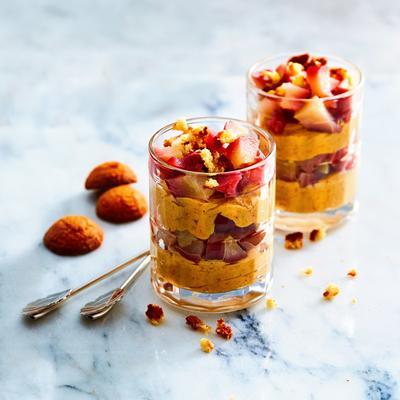 30 minDessertFull Milk, whipped cream, macaroon, custard powder, vanilla sugar, sugar, protein, amaretto, almond liqueur, basic recipe cooking pears,macaroon pastry with casserole
Vitamin B1
-
Vitamin B1 or thiamine is necessary for the proper functioning of the heart and nervous system. Thiamine was discovered in 1910. It is necessary for the release of energy in the consumption of carbohydrate-containing foods. All vitamins in the vitamin B complex are soluble in water. Thiamine is in all kinds of grain products, especially whole grain products such as whole grain bread or even better organic bread. It is also found in whole grain macaroni and brown rice. Meat is also a source of thiamine. Vitamin B1 is also high in: oatmeal, sunflower seeds, asparagus, kale, cauliflower, potatoes, oranges
-
Vitamin B1 or thiamine is necessary for the proper functioning of the heart and nervous system. Thiamine was discovered in 1910. It is necessary for the release of energy in the consumption of carbohydrate-containing foods. All vitamins in the vitamin B complex are soluble in water. Thiamine is in all kinds of grain products, especially whole grain products such as whole grain bread or even better organic bread. It is also found in whole grain macaroni and brown rice. In addition, meat is a source of thiamine. Vitamin B1 is also high in: oatmeal, sunflower seeds, asparagus, kale, cauliflower, potatoes, oranges
Vitamin B2
-
Vitamin B2 is also called riboflavin and was discovered in 1920. It plays an important role in the body in the conversion of nutrients into substances necessary for the body. Because riboflavin is in the food, the body converts carbohydrates, proteins and fats more easily. It also plays a role in the energy delivery of nutrients to the cells in the body. Vitamin B2 is mainly found in dairy, eggs, vegetables and meat. Examples of fruits and vegetables in which it occurs are: asparagus, bananas, persimmons, popcorn, okra, green beans, tomatoes and mushrooms
-
Vitamin B2 is also called riboflavin and was discovered in 1920. It plays an important role in the body's conversion of nutrients into substances required for the body. Because riboflavin is in the food, the body converts carbohydrates, proteins and fats more easily. It also plays a role in the energy delivery of nutrients to the cells in the body. Vitamin B2 is mainly found in dairy, eggs, vegetables and meat. Examples of fruits and vegetables in which it occurs are: asparagus, bananas, persimmons, popcorn, okra, green beans, tomatoes and mushrooms
Vitamin B3
-
Vitamin B3 is the simple name of the substance that is scientifically referred to as niacin. Niacin was discovered in 1936. The substance is necessary for the conversion of energy in the body. Niacin is common in a healthy diet; it is found in vegetables, dairy, whole grains, eggs and meat. Specific products in which it occurs are: tomatoes, mushrooms, leafy vegetables, avocados, dates, carrots, sweet potato, nuts
-
 5 minDrink without alcoholbananas, cool fresh apple-pear raspberry juice, Soy drink vanilla,soy fruit shake
 -
 20 minMain dishsauerkraut, sticking potato, liquid baking product, half-to-half minced, Spice meatballs, pineapple, olive oil, liquid baking product,gratin sauerkraut dish with minced meat
 -
 40 minMain dishlemongrass, fresh ginger, Red peppers, onions, tomato cubes, fresh cod fillet, coriander, oil, ground turmeric (koenjit), coconut milk, salt,fish in creamy coconut sauce
 -
 15 minSide dishsweet potato, soft goat cheese, egg, spring / forest onion,stuffed sweet potato with egg
Vitamin B6
-
Vitamin B6 or pyridoxine is a substance that plays a role in various bodily processes. Pyridoxine was discovered in 1934. This micronutrient is involved in the construction and breakdown of fats and proteins. It also promotes the formation of red blood cells. Vitamin B6 regulates some of the hormones in the body and is necessary for the proper functioning of the nervous system. It also plays a role in people's resistance to diseases. Vitamin B6 is found in vegetables, whole grain cereals and meat products. In terms of vegetables, B6 is mainly found in asparagus, spinach, legumes such as peas, beans and lentils, baker's yeast and sunflower seeds. It is found to a slightly lesser extent in oranges, pineapple, melon, grapefruit, banana, raspberry, strawberry, beetroot, corn, tomatoes, broccoli, Brussels sprouts, romaine lettuce and bok choy
-
Vitamin B6 or pyridoxine is a substance that plays a role in various bodily processes. Pyridoxine was discovered in 1934. This micronutrient is involved in the construction and breakdown of fats and proteins. It also promotes the formation of red blood cells. Vitamin B6 regulates some of the hormones in the body and is necessary for the proper functioning of the nervous system. In addition, it plays a role in the resistance of humans to diseases. Vitamin B6 is found in vegetables, whole grain cereals and meat products. In terms of vegetables, B6 is mainly found in asparagus, spinach, legumes such as peas, beans and lentils, baker's yeast and sunflower seeds. It is found to a slightly lesser extent in oranges, pineapple, melon, grapefruit, banana, raspberry, strawberry, beetroot, corn, tomatoes, broccoli, Brussels sprouts, romaine lettuce and bok choy
Vitamin B11
-
Vitamin B11 which is also known as folic acid, works together with vitamin B12. Folic acid was discovered in 1941. This substance is important for the formation of red blood cells. Adequate folic acid intake prevents some form of anemia. Vitamin B11 is mainly found in green leafy vegetables, grain products
Vitamin B12
-
Vitamin B12, also called cobalamin, works together with folic acid. Cobalamin was discovered in 1926. This vitamin is especially good for the brain, nervous system, blood production and memory. It was always said that people could not produce vitamin B12 themselves and that B12 is only found in meat. Vegetarians should therefore be careful because they are at risk of a vitamin B12 deficiency. Much more is now known about vitamin B12. Just like animals, the human body produces vitamin B12 itself on the basis of substances found in parsley, for example. Yeast also contains B12. That is why there is also B12 in fermented products such as tempeh. Only in the west the tempeh is made in such a way that it is stripped of all vitamin B12. In India and Indonesia there is B12 in tempeh. Seaweed and cheese also contain B12. It is true that a range of pharmaceutical products reduce the absorption of B12 in the body. This even includes the anti-concept pill. A vitamin B12 deficiency is therefore more of a side effect of this pill. All kinds of artificial antibiotics inhibit, unlike vegetable antibiotics
-
 20 minMain dishTasty vine tomato, (olive oil, fresh basil, onion, garlic, Parmigiano Reggiano, zucchini spaghetti, pumpkin spaghetti, mini buffalo mozzarella,lukewarm pumpkin and zucchini spaghetti
 -
 15 minSide dishtraditional olive oil, curry powder, wheat flour, coconut milk, sambal oelek, chicken broth tablet, water, fresh mango,curry sauce with mango
 -
 30 minMain dishtraditional olive oil, lean ground beef, frozen Mexican wok vegetables, salsa sauce mild, taco shell, grated young cheese, creme fraiche,Mexican vegetable in tacos
 -
 95 minMain dishmaize chicken, lemon, coarse sea salt, pepper, extra virgin olive oil, garlic, thyme, zucchini, tomatoes (small to), black olives without pit,provençal chicken with zucchini and tomatoes
Vitamin C
-
Vitamin C is the best known vitamin and is called ascorbic acid in scientific literature. Vitamin C was discovered in 1920. Vitamin C is a substance that contributes to many processes in the body. In short, the substance is necessary for general vitality. Vitamin C is found in almost all fruits and vegetables. Johan Bachstrom was an excommunicated Polish priest and physicist from the 18th century who fled to the Netherlands. He was the first to write that scurvy caused too little fresh fruit and vegetables. Scurvy is nowadays seen as the result of vitamin C deficiency. It is almost impossible to become deficient in vitamin C these days. Still, a chemical variant of vitamin C, which works much less well than natural vitamin C, is added in all kinds of fruit juices. However, ascorbic acid, as vitamin C is called in chemical terms, is also used as a preservative. Sometimes the label says vitamin C, the other times a preservative, while it is the same substance. Besides the fact that vitamin C is found in quite a lot of nutrients, there are a number of products in which it is relatively more abundant than other products. Examples include, in order of high vitamin C content: Chili pepper, parsley, black currant, guava, kiwi, broccoli, red currant, Brussels sprouts, goji berry, lychee, papaya, strawberry, orange, lemon, cantaloupe melon, cauliflower, garlic , grapefruit, raspberry, mandarin, passion fruit, spinach, green cabbage, lime, mango, blackberry, potato, tomato, cranberry, pineapple, banana, avocado. The first product mentioned in this list is Chili pepper and has 244 mg vitamin C per 100 grams. The latter is avocado and has 8 mg per 100 grams. The RDA. Recommended Daily Allowance
Vitamin E
-
Vitamin E is an antioxidant also called tocopherol. Tocopherol is fat soluble and was discovered in 1922. Vitamin E is mainly found in unprocessed oil, nuts and wheat. It is relatively high in sunflower seeds, sunflower oil, almonds, hazelnuts, peanuts, spinach
Vitamin H
-
Vitamin H or biotin contributes to various biochemical processes in our body. It is water soluble. The substance was first detected in 1931, it was initially called vitamin B8 and abroad vitamin B7. Vitamin H keeps the hair and skin healthy, which is also a mnemonic because hair and skin start with an 'H'. The vitamin was discovered by Steinitz in 1898. It aids the absorption of vitamin C. Legumes, baker's yeast, soybeans
Vitamin K
-
Vitamin K was first discovered in 1929 by the Danish scientist Hendrik Dam. It is a fat soluble vitamin also called phylloquinone or menaquinone. Vitamin K was discovered in 1929. It is found in spinach, broccoli, cabbage, Brussels sprouts, asparagus, parsley and various green leaf lettuce products. Vitamin K intake prevents diseases such as Parkinson's, Alzheimer's, cirrosis of the liver, anorexia nervosa and osteoporosis caused by corticosteroids, a type of medicine that includes prednisone and dexamathasone and prednisolone.