Eat plums for good bowel function
-
Plums are tasty. But that's not all there is to say about the plum. Plums are easy to take with you when you travel or are on the road for a long time. They are sweet and juicy, so they are also a good thirst quencher and they provide energy because they contain carbohydrates that are gradually absorbed into the body. But what are they mostly known for? Read on�
Plums have a laxative effect
-
Plums contain the most fiber of all fruits and help with constipation or constipation. They have been known for that since grandmother's time. The laxative effect is not only due to the large amount of fiber. It is due to the collaborative effect of three substances. Namely: fiber, sorbitol and diphenylsatin. Now, of course, you will not have to run to the toilet immediately, but you may find that it makes your bowels "work". So don't eat too much of it, because you will get a stomach ache.
Acidification
-
Another advantage of plums is that they are rich in organic acids and alkaline compounds such as potassium, which can neutralize acidification that can occur during strenuous exercise and / or sports.
-
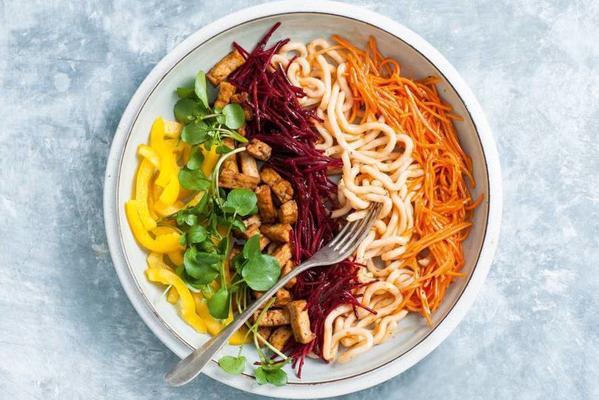 11 minMain dishpeanut oil, tofu stir-fry cubes finely seasoned, stir fry sauce sweet and sour, thick noodles, carrot julienne, beetroot julienne, yellow bell pepper, watercress,rainbow salad with tofu
 -
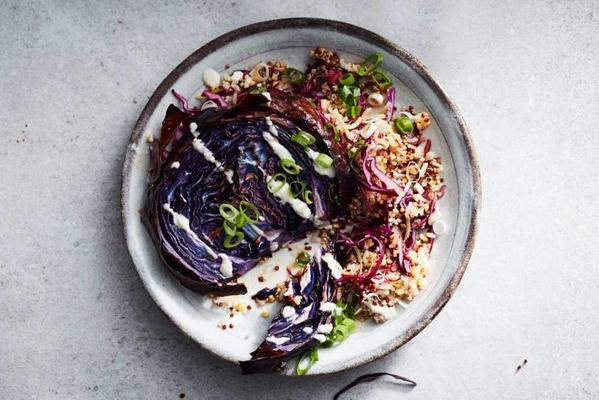 45 minMain dishRed cabbage, mild olive oil, quinoa plus, forest outing, lemon, sesame oil, soy sauce less salt, Bio Today tahini white in pot, tap water,grilled red cabbage with quinoa salad
 -
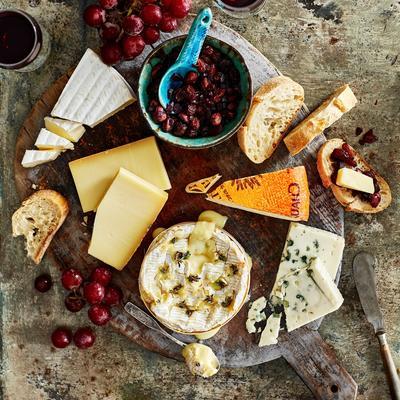 30 minDessertBrie, Roquefort, port salut, gruyere, Camembert, walnut, garlic, thyme, honey, grape, baguette, Red onion, red grape, raisins, Red wine, Red wine vinegar, Brown sugar,generous cheese plate with onion marmalade
 -
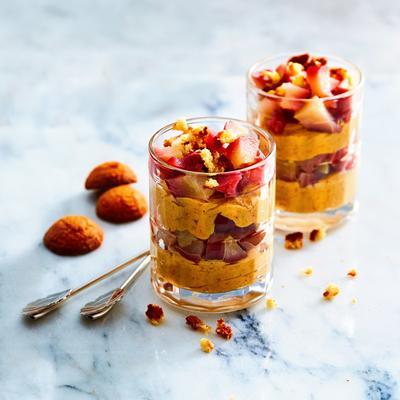 30 minDessertFull Milk, whipped cream, macaroon, custard powder, vanilla sugar, sugar, protein, amaretto, almond liqueur, basic recipe cooking pears,macaroon pastry with casserole
The plum tree
-
Plums grow on the plum tree. The trees are quite easy to grow and prune. It is true that if you prune a lot of branches, the fruiting is less, although it is again the case that the fruits grow better and taste better. Plum trees can grow anywhere, including in your garden. They do want a sunny spot with fertile soil. Fertilizing in the spring is no harm. And what they don't like is: dry feet.
Harvest season
-
The plum harvest covers a number of months per year. To be precise, this starts in the month of May and can last up to and including October. The relatively long period of this period is due to the wide variety of plum species whose harvest times overlap. And that means we can enjoy those delicious plums for longer. So there is a difference in the type of plum that you can encounter. This can vary from the purple-red Opal to Sanctus Hubertus, which is smaller, oval and blue, to the next Czar, which is also small and blue with yellow / green flesh. This is followed by Monsieur Hatif, also called wine plum or peach plum, which is large and elongated in shape and purple in color with yellow flesh. Followed by the Reine Victoria. These are juicy yellow / orange egg plums. And last but not least, there is the Pure Claude d'Althan. The latter is large and red / purple in color.
What's in it?
-
Plums contain polyphenols. The polyphenols provide the plum's beautiful red color, but also provide an anti-inflammatory effect. Because the polyphenols are mainly in the skin, it is wise to also eat the skin. Plums contain vitamin C, although not very much, and also vitamin B, beta-carotene and vitamin E. They also have an antioxidant effect, which is important in our fight against cancer. They also contain minerals such as: calcium, magnesium, iron and copper.
-
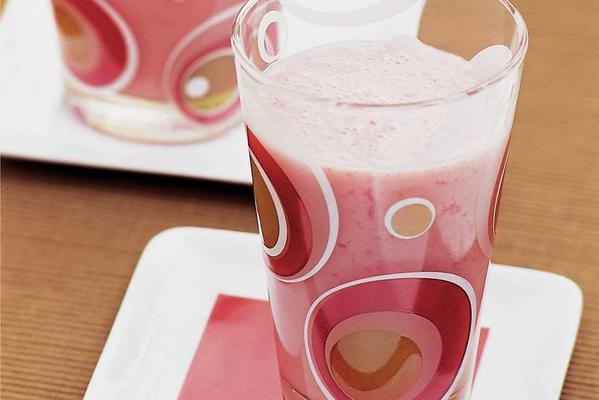 5 minDrink without alcoholbananas, cool fresh apple-pear raspberry juice, Soy drink vanilla,soy fruit shake
 -
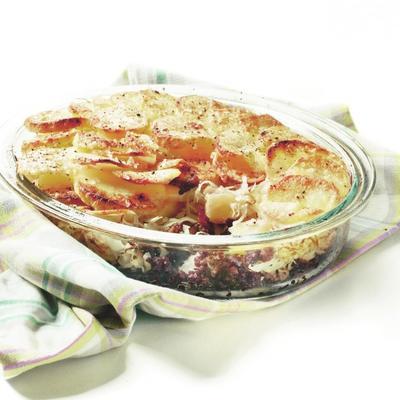 20 minMain dishsauerkraut, sticking potato, liquid baking product, half-to-half minced, Spice meatballs, pineapple, olive oil, liquid baking product,gratin sauerkraut dish with minced meat
 -
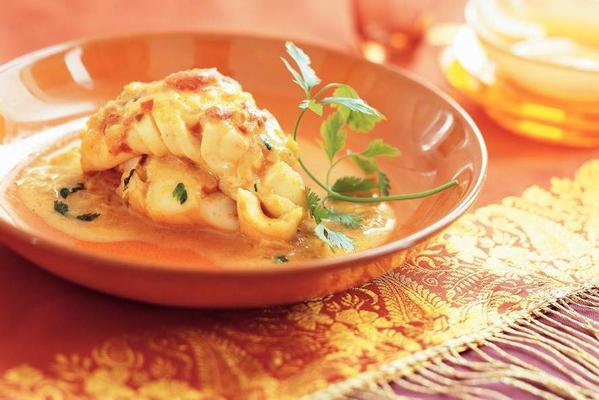 40 minMain dishlemongrass, fresh ginger, Red peppers, onions, tomato cubes, fresh cod fillet, coriander, oil, ground turmeric (koenjit), coconut milk, salt,fish in creamy coconut sauce
 -
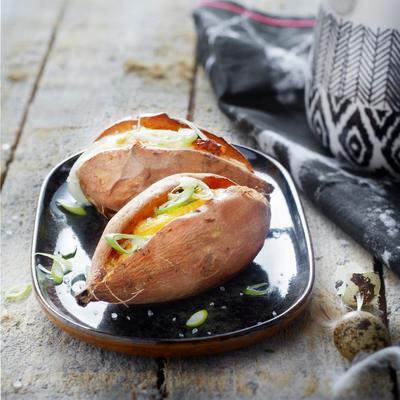 15 minSide dishsweet potato, soft goat cheese, egg, spring / forest onion,stuffed sweet potato with egg
How to save
-
It is better not to keep plums in the refrigerator because the refrigerator temperature can damage the fruit. Do not keep them for too long and preferably unpacked on a tray, because they only keep for a few days. Also remember that they have been on the road for a while before they are in the vegetable compartment. Read my article: "Fresh vegetables are often not as fresh as we think". When the plums are ripe, eat them out of hand as soon as possible. Just a quick rinse under the tap is sufficient. If you have bought real fresh plums you can also freeze them.
What can you do with plums
-
Besides being out of hand, you can of course do more with plums. They are also delicious with dessert, for example. In addition, plum jam, plum purée, plum jelly are also made from it. Plums are delicious in yogurt, quark or plum pie. It's all delicious.
Last but least… dried plums
-
Dried fruit is, if possible, even healthier than fresh fruit. The moisture has been removed so that the fibers, vitamins and minerals are concentrated. The healthiest part of (in this case) the plums remains. Because prunes contain a lot of fiber, they are very good for the intestinal function. Especially people who suffer from "lazy bowels" can benefit from this.
-
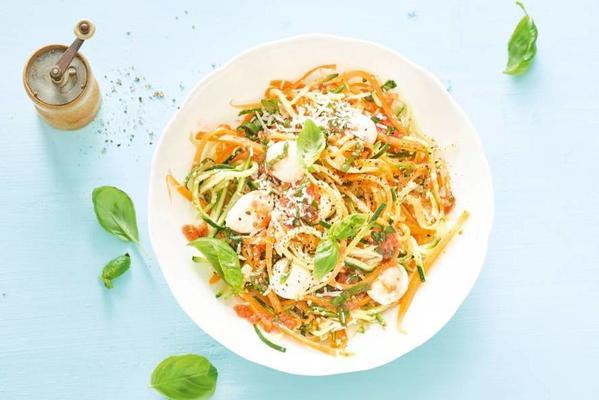 20 minMain dishTasty vine tomato, (olive oil, fresh basil, onion, garlic, Parmigiano Reggiano, zucchini spaghetti, pumpkin spaghetti, mini buffalo mozzarella,lukewarm pumpkin and zucchini spaghetti
 -
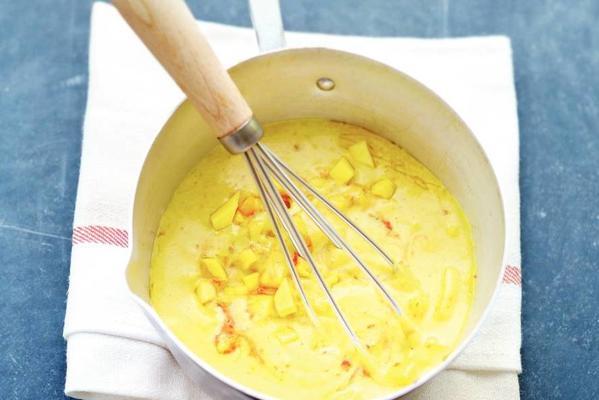 15 minSide dishtraditional olive oil, curry powder, wheat flour, coconut milk, sambal oelek, chicken broth tablet, water, fresh mango,curry sauce with mango
 -
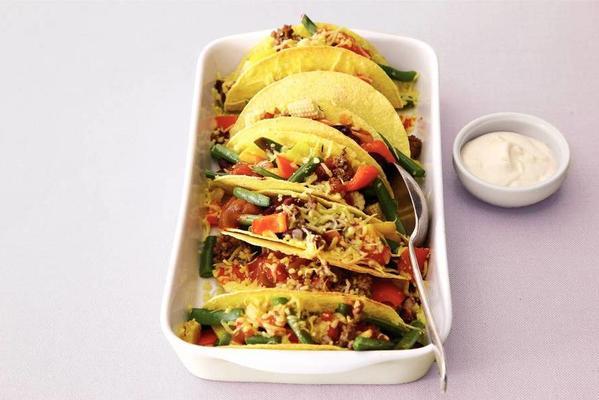 30 minMain dishtraditional olive oil, lean ground beef, frozen Mexican wok vegetables, salsa sauce mild, taco shell, grated young cheese, creme fraiche,Mexican vegetable in tacos
 -
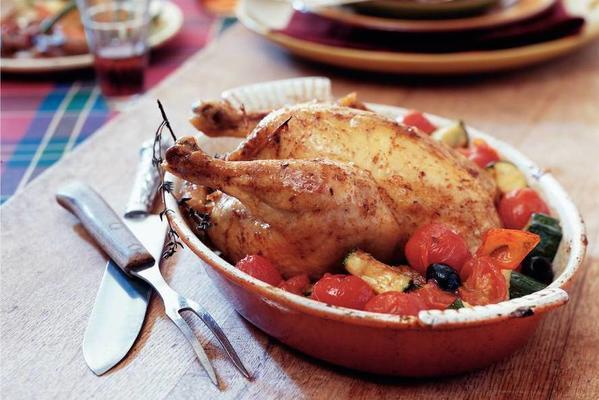 95 minMain dishmaize chicken, lemon, coarse sea salt, pepper, extra virgin olive oil, garlic, thyme, zucchini, tomatoes (small to), black olives without pit,provençal chicken with zucchini and tomatoes