Eating fish for beginners
-
The Health Council recommends eating a fattier type of fish once a week. Fish provides many valuable vitamins, minerals, proteins and fatty acids. How do you get fish hats on the fish?
-
Fish is fast, healthy and easy. You can bake, poach, grill, fry or turn it into a tasty casserole. Add a little lettuce and a glass of wine and you're done! Yet there are a striking number of people who do not eat fish. They dislike the taste, struggle with bones and hate the smell. And yet one fish is not the other, and therefore one fish taste is not the other. Fish comes in all kinds. You have lean fish and fatty fish. And the latter is extra healthy because of the type of fat it contains: the omega fish fats DHA and EPA. These healthy, unsaturated fats protect against cardiovascular disease and are beneficial for brain and eye development. There are even indications that omega-3 fats reduce the risk of dementia and other brain disorders. In addition, fish has a beneficial effect on cholesterol.
Not just fat
-
Besides these good fats, fish provides many other valuable nutrients. Think of proteins, vitamins and minerals. For example, there is plenty of vitamins A, D and B12 in fish; the latter especially in the fat version. Fatty fish are for example herring, mackerel, eel, sprat and salmon. Vitamin A is important for the eyes, the skin and the immune system, vitamin B12 ensures the production of red blood cells and has a positive effect on the nervous system and vitamin D plays a role an important role in the functioning of the brain, it ensures strong bones and teeth and can even reduce the risk of depression. In addition to the above vitamins, fish is also a good source of minerals. Think of selenium for the thyroid gland, growth and development of the nervous system, iodine for a good thyroid function and zinc for a good resistance.
-
Besides these good fats, fish provides many other valuable nutrients. Think of proteins, vitamins and minerals. For example, there is plenty of vitamins A, D and B12 in fish; the latter especially in the fat version. Fatty fish are, for example, herring, mackerel, eel, sprat and salmon. Vitamin A is important for the eyes, the skin and the immune system, vitamin B12 ensures the production of red blood cells and has a positive effect on the nervous system and vitamin D plays a role an important role in the functioning of the brain, it ensures strong bones and teeth and can even reduce the risk of depression. In addition to the above vitamins, fish is also a good source of minerals. Think of selenium for the thyroid gland, growth and development of the nervous system, iodine for a good thyroid function and zinc for a good resistance.
-
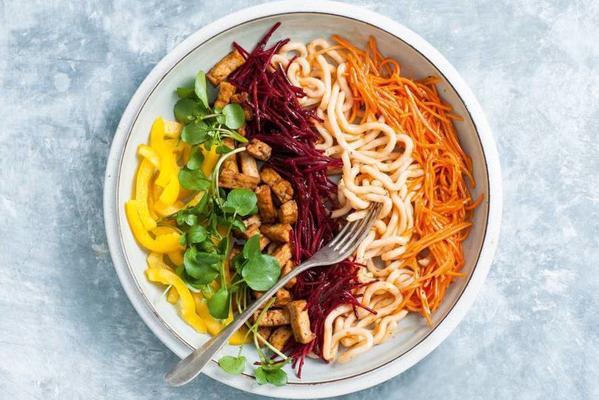 11 minMain dishpeanut oil, tofu stir-fry cubes finely seasoned, stir fry sauce sweet and sour, thick noodles, carrot julienne, beetroot julienne, yellow bell pepper, watercress,rainbow salad with tofu
 -
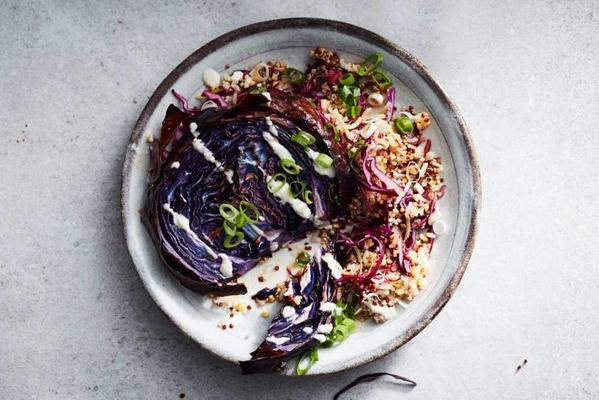 45 minMain dishRed cabbage, mild olive oil, quinoa plus, forest outing, lemon, sesame oil, soy sauce less salt, Bio Today tahini white in pot, tap water,grilled red cabbage with quinoa salad
 -
 30 minDessertBrie, Roquefort, port salut, gruyere, Camembert, walnut, garlic, thyme, honey, grape, baguette, Red onion, red grape, raisins, Red wine, Red wine vinegar, Brown sugar,generous cheese plate with onion marmalade
 -
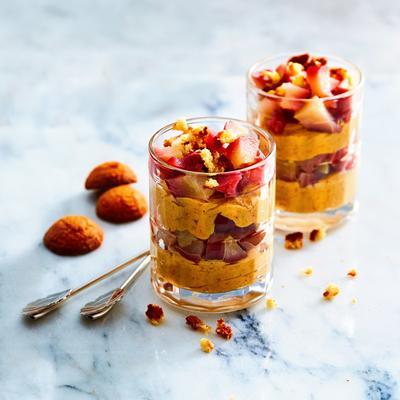 30 minDessertFull Milk, whipped cream, macaroon, custard powder, vanilla sugar, sugar, protein, amaretto, almond liqueur, basic recipe cooking pears,macaroon pastry with casserole
Taste has been learned
-
Despite all the fine ingredients, there are countless people who don't like fish. Yet you can learn to eat it; taste is a learned thing. If a child is stimulated to eat different things early on, he or her will develop his or her taste. As you get older, it is more difficult to learn to eat new things. But it is not impossible. Often the aversion to certain foods is more psychological than physical. Some scientists even claim that our tastes change every seven years. So it certainly doesn't hurt to try a fish every once in a while. If you really want to learn to eat fish, make sure you start with the best fish. So fresh. But if you are not yet ready for whole slices of fresh fish, then simply start with bite-sized chunks that cannot be recognized as fish at a glance, such as fish fingers and kibbeling. Breaded, fried fillets of plaice or cod â € “better known as gourmets â €“ are also recommended for the novice fish-eater. Then it is a matter of trying. If you want fish with a fairly neutral taste, continue with turbot, plaice or sole, for example. And eat it with things you do like, so you can get used to the taste.
-
Despite all the fine ingredients, there are countless people who don't like fish. Yet you can learn to eat it; taste is a learned thing. If a child is stimulated to eat different things early on, he or she will further develop his or her taste. As you get older, it is more difficult to learn to eat new things. But it is not impossible. Often the aversion to certain foods is more psychological than physical. Some scientists even claim that our tastes change every seven years. So it certainly doesn't hurt to try a fish every once in a while. If you really want to learn to eat fish, make sure you start with the best fish. So fresh. But if you are not yet ready for whole slices of fresh fish, then simply start with bite-sized chunks that cannot be recognized as fish at a glance, such as fish fingers and squid. Breaded, fried fillets of plaice or cod â € “better known as gourmets â €“ are also recommended for the novice fish-eater. Then it is a matter of trying. If you want fish with a fairly neutral taste, continue with turbot, plaice or sole, for example. And eat it with things you do like, so that you can get used to the taste.
Meaty
-
Many of the above fish have a 'flaky' structure. And that's something meat eaters can hardly get used to. If you don't like the structure, it is better to start with a meaty fish. Tuna, for example, is really a swimming steak. When you bake or grill a tuna steak, the texture is more like meat than that of most fish. This steak can also be a bit rosé on the inside. However, tuna is a controversial fish. In the past heavily overfished and therefore expensive. In addition, tuna often swims with dolphins, which ends up as accidental bycatch. So first check the fish guide for the most sustainable variant. Salmon also has a firmer â € “steak-like â €“ meat than most white fish.
-
Many of the above fish have a 'flaky' structure. And that's something meat eaters can hardly get used to. If you don't like the structure, it is better to start with a meaty fish. Tuna, for example, is really a swimming steak. When you bake or grill a tuna steak, the texture is more like meat than that of most fish. This steak can also be a bit rosé on the inside. However, tuna is a controversial fish. In the past heavily overfished and therefore expensive. In addition, tuna often swims with dolphins, which ends up as accidental bycatch. So first check the fish guide for the most sustainable variant. Salmon also has a firmer â € “steak-like â €“ meat than most minnows.
Preparation method
-
The way of preparation has a lot of influence on the taste of fish. Fried fish and grilled fish often taste a bit stronger than poached or steamed fish. So it may well be that you like fish prepared in a different way.
-
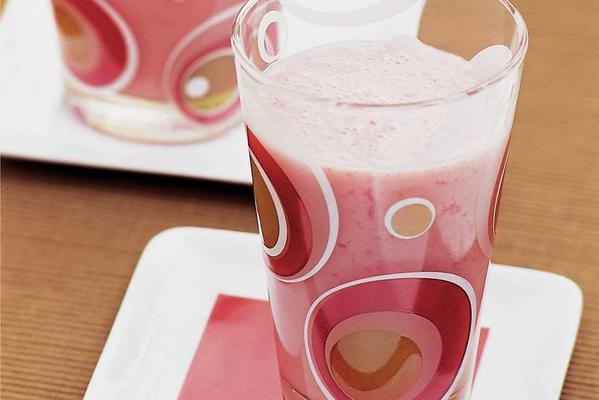 5 minDrink without alcoholbananas, cool fresh apple-pear raspberry juice, Soy drink vanilla,soy fruit shake
 -
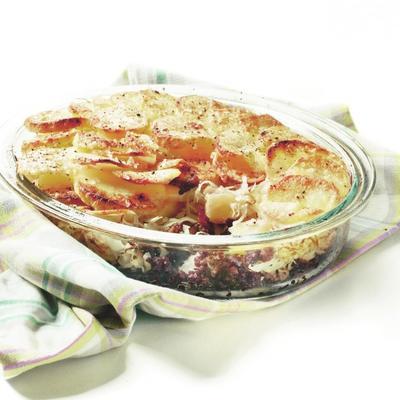 20 minMain dishsauerkraut, sticking potato, liquid baking product, half-to-half minced, Spice meatballs, pineapple, olive oil, liquid baking product,gratin sauerkraut dish with minced meat
 -
 40 minMain dishlemongrass, fresh ginger, Red peppers, onions, tomato cubes, fresh cod fillet, coriander, oil, ground turmeric (koenjit), coconut milk, salt,fish in creamy coconut sauce
 -
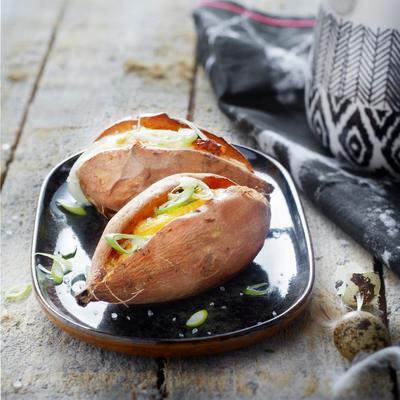 15 minSide dishsweet potato, soft goat cheese, egg, spring / forest onion,stuffed sweet potato with egg
Herbs
-
You can also influence the taste of fish with herbs. Salt enhances the salty taste of the sea. Before cooking, sprinkle the fish with salt and let it rest for a while. This removes the moisture from the fish meat and brings out the real fish taste better. Lemon also helps to increase the taste. If you rub or sprinkle fish fillets with a little lemon juice before cooking, the fish meat will be firmer. And that makes preparation easier. Pepper and other spices such as paprika, chili powder and curry powder are added during the preparation. Fresh herbs usually only at the last minute. Fresh salmon and tuna are increasingly eaten raw. A spicy sauce with soy sauce or Thai fish sauce and red pepper is delicious with it and also enhances the taste of the fish itself.
-
Sign up for our free newsletters and offers and immediately receive the free digital recipe booklet Delicious in fiber
Most searched
-
]
-
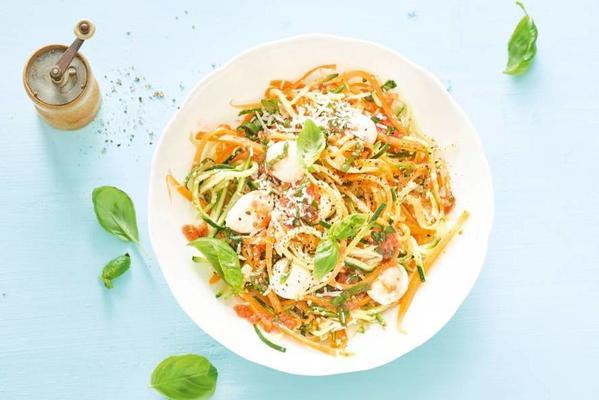 20 minMain dishTasty vine tomato, (olive oil, fresh basil, onion, garlic, Parmigiano Reggiano, zucchini spaghetti, pumpkin spaghetti, mini buffalo mozzarella,lukewarm pumpkin and zucchini spaghetti
 -
 15 minSide dishtraditional olive oil, curry powder, wheat flour, coconut milk, sambal oelek, chicken broth tablet, water, fresh mango,curry sauce with mango
 -
 30 minMain dishtraditional olive oil, lean ground beef, frozen Mexican wok vegetables, salsa sauce mild, taco shell, grated young cheese, creme fraiche,Mexican vegetable in tacos
 -
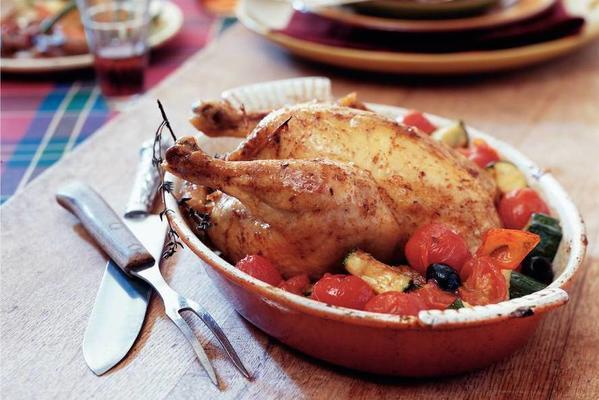 95 minMain dishmaize chicken, lemon, coarse sea salt, pepper, extra virgin olive oil, garlic, thyme, zucchini, tomatoes (small to), black olives without pit,provençal chicken with zucchini and tomatoes