Health Benefits of Red Cabbage
-
Red cabbage belongs to the Brassicaceae family. Red cabbage is a commonly used ingredient in German meals. Red cabbage can be eaten cooked or raw. If red cabbage is used raw, this is often in salads. In winter, boiled red cabbage is eaten as a side dish with game. Red cabbage can even serve as an ingredient for sauerkraut. But red cabbage is not only loved for its culinary qualities. There are more reasons why you should add red cabbage to your diet.
Nutrients of Red Cabbage
-
Red cabbage is a head cabbage. The leaves of this type of cabbage close closely together over the growing point. In this way a firm, heavy red cabbage is formed. The red cabbage can be round or oval. The color of the red cabbage is due to the dye cyanidin and can vary from deep red to purple. Head cabbages are generally rich in vitamin C.
Nutritional content of red cabbage
-
Nutrient content per 100 grams raw Energy 31 kcal Carbohydrates 7.4 g Dietary fiber 2.1 g Fat 0.16 g Protein 1.43 g
-
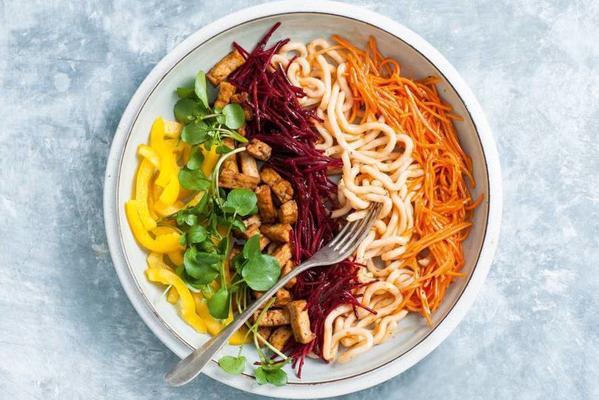 11 minMain dishpeanut oil, tofu stir-fry cubes finely seasoned, stir fry sauce sweet and sour, thick noodles, carrot julienne, beetroot julienne, yellow bell pepper, watercress,rainbow salad with tofu
 -
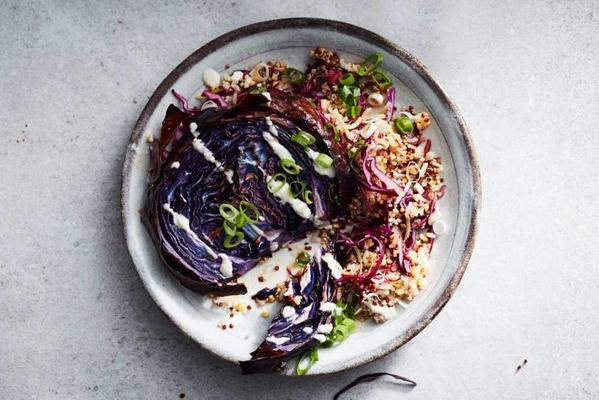 45 minMain dishRed cabbage, mild olive oil, quinoa plus, forest outing, lemon, sesame oil, soy sauce less salt, Bio Today tahini white in pot, tap water,grilled red cabbage with quinoa salad
 -
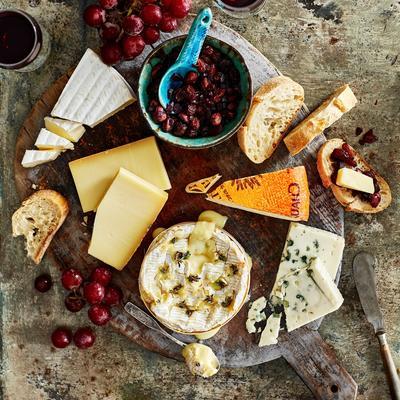 30 minDessertBrie, Roquefort, port salut, gruyere, Camembert, walnut, garlic, thyme, honey, grape, baguette, Red onion, red grape, raisins, Red wine, Red wine vinegar, Brown sugar,generous cheese plate with onion marmalade
 -
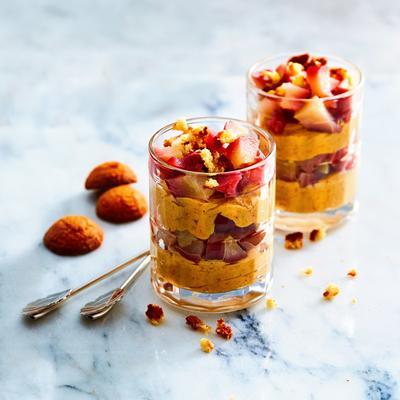 30 minDessertFull Milk, whipped cream, macaroon, custard powder, vanilla sugar, sugar, protein, amaretto, almond liqueur, basic recipe cooking pears,macaroon pastry with casserole
Shelf life of red cabbage
-
A fresh red cabbage has fresh leaves. The leaves of the red cabbage should fit well. So the cabbage feels firm when it is fresh. When you lift the cabbage it should feel heavier than you might initially expect. Red cabbage from the cold soil is available all year round. Red cabbage can be stored for a long time. A whole red cabbage can be kept for one and a half to two months in a cool (12-15 ° C), dry and dark place. If you have already cut the red cabbage, it can be kept covered in the refrigerator for a few days.
Health Benefits of Red Cabbage
-
Increases bone mineral density A high content of important minerals makes red cabbage a good choice to ensure good bone development. 100 grams of raw red cabbage contains: calcium (5% DV), magnesium (5% DV), manganese (13% DV) and the essential minerals phosphorus (4% DV) and zinc (3% DV). Raw red cabbage is also full of vitamin C (67.9% RDA). After cooking the red cabbage, the vitamin C content in particular decreases from 67.9% RDA to 41% RDA. Vitamin C is important for collagen synthesis. Collagen is a type of glue that also makes an important contribution to optimal bone growth. Red cabbage promotes bone mineral density. This has a protective effect against various bone disorders.
Ensures good eye health
-
Red cabbage contains a lot of vitamin A. 100 grams of raw red cabbage provides more than 8% of the recommended daily amount (RDA) of vitamin A per day. Cooked red cabbage contains almost no vitamin A anymore. Vitamin A is important to keep your vision sharp. In addition, vitamin A also prevents deterioration of the macula and the formation of cataracts. Vitamin A is an important nutrient for keeping your eyes healthy. So if you consciously eat more red cabbage for the vitamin A, it is best to consume the red cabbage raw.
-
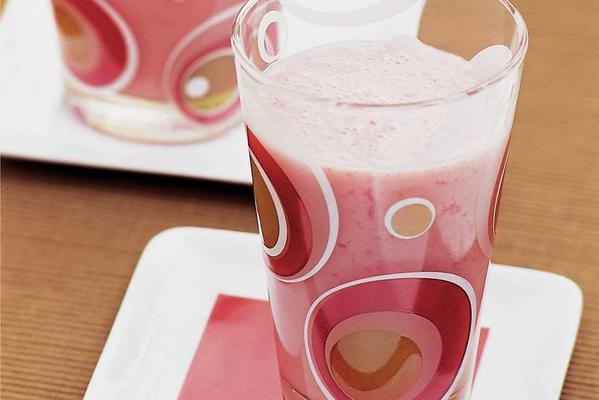 5 minDrink without alcoholbananas, cool fresh apple-pear raspberry juice, Soy drink vanilla,soy fruit shake
 -
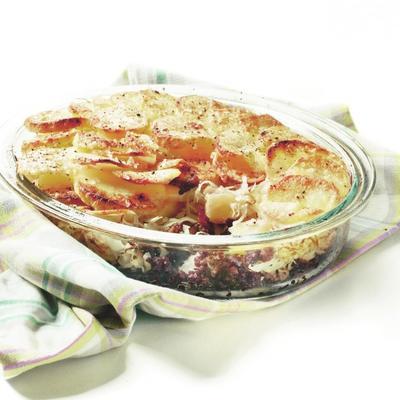 20 minMain dishsauerkraut, sticking potato, liquid baking product, half-to-half minced, Spice meatballs, pineapple, olive oil, liquid baking product,gratin sauerkraut dish with minced meat
 -
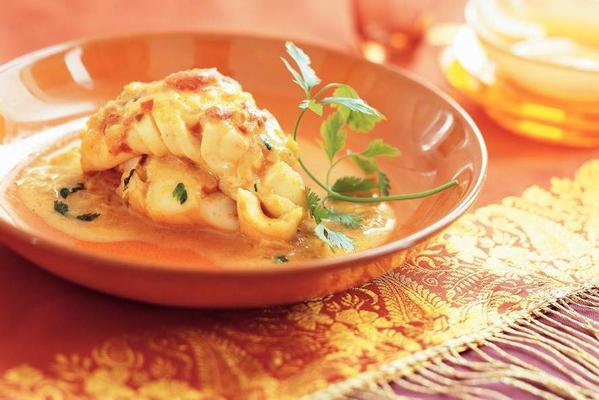 40 minMain dishlemongrass, fresh ginger, Red peppers, onions, tomato cubes, fresh cod fillet, coriander, oil, ground turmeric (koenjit), coconut milk, salt,fish in creamy coconut sauce
 -
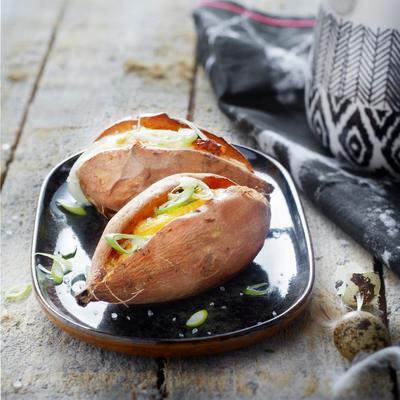 15 minSide dishsweet potato, soft goat cheese, egg, spring / forest onion,stuffed sweet potato with egg
Supports a youthful appearance
-
Red cabbage contains many nutrients that promote healthy, radiant skin with a youthful appearance. The antioxidants help protect you from free radical damage. As a result, you see fewer signs that belong to age: your skin remains taut, fresh and supple. The ample amount of vitamin A (8% of the RDI per 100 grams) that raw red cabbage provides ensures healthy skin. It also promotes the renewal of your skin cells, protection against damage from sunlight and vitamin A ensures elastic skin. Red cabbage is full of sulfur. This substance is needed in the synthesization of keratin. Keratin is a protein that is necessary for the production of hair, nails and skin. So if you consciously eat more red cabbage for the vitamin A, it is best to consume the red cabbage raw.
Protects against Alzheimer's disease
-
The anthocyanins abundant in red cabbage are active against the plaque that causes Alzheimer's disease. Plaque is caused by fatty substances sticking to the lining of blood vessels. Anthocyanins together with vitamin K (40.2% of the RDA for 100 grams of raw red cabbage) have a positive effect on brain function and protect against nerve damage. The amount of vitamin K remains almost the same after cooking.
Points for attention with red cabbage
-
Although there is no direct scientific evidence, pregnant and breastfeeding women are sometimes advised not to consume red cabbage to prevent colic in the baby. If you have thyroid problems, you should consult your doctor about the consumption of red cabbage. The sulfur compounds can have a negative impact on your health. Furthermore, it is not recommended to consume large amounts of raw red cabbage. Use it discreetly as a side dish or as a topping.
-
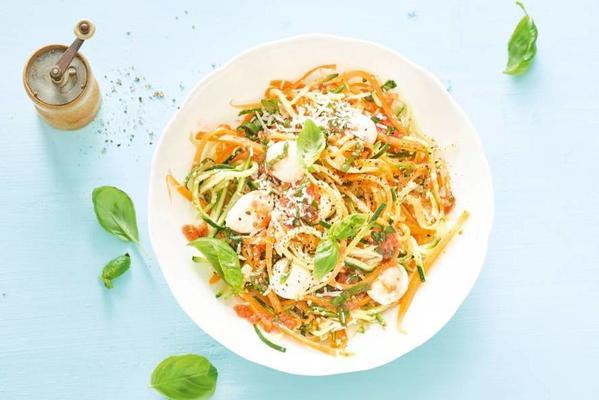 20 minMain dishTasty vine tomato, (olive oil, fresh basil, onion, garlic, Parmigiano Reggiano, zucchini spaghetti, pumpkin spaghetti, mini buffalo mozzarella,lukewarm pumpkin and zucchini spaghetti
 -
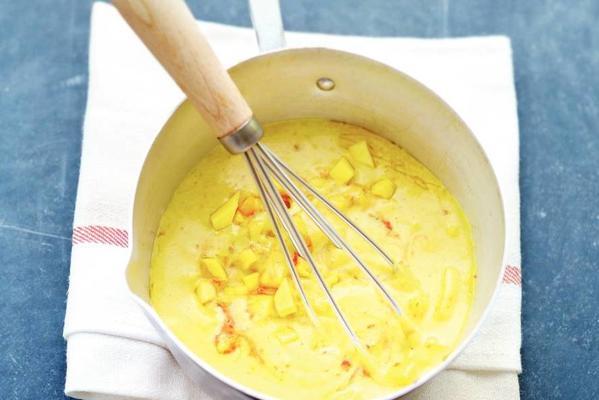 15 minSide dishtraditional olive oil, curry powder, wheat flour, coconut milk, sambal oelek, chicken broth tablet, water, fresh mango,curry sauce with mango
 -
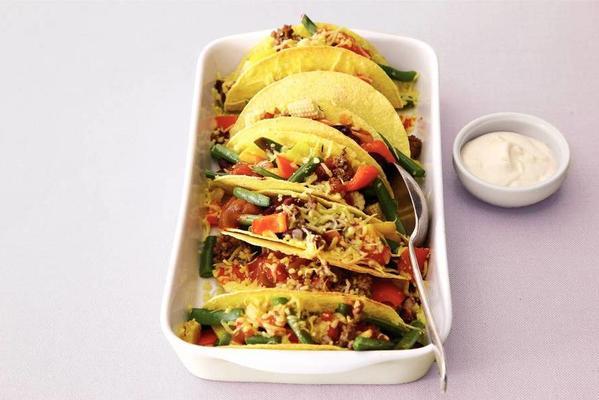 30 minMain dishtraditional olive oil, lean ground beef, frozen Mexican wok vegetables, salsa sauce mild, taco shell, grated young cheese, creme fraiche,Mexican vegetable in tacos
 -
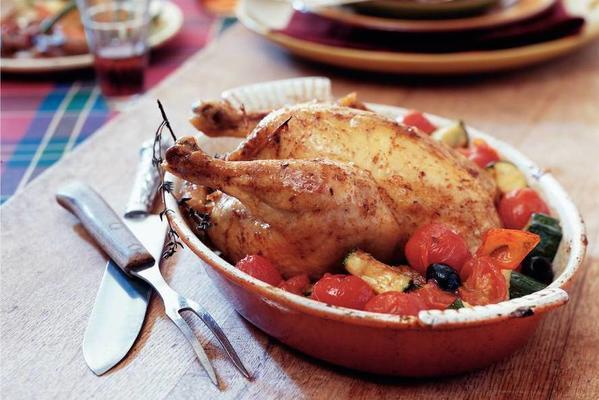 95 minMain dishmaize chicken, lemon, coarse sea salt, pepper, extra virgin olive oil, garlic, thyme, zucchini, tomatoes (small to), black olives without pit,provençal chicken with zucchini and tomatoes