Healthy and effective weight loss
-
Losing weight is certainly no fun, not only for you, but also not for your body! The majority of the population loses weight in a way that is not only ineffective, but also harmful to the body. The reason for this is simple: people want to see results as quickly as possible and are willing to give their bodies a lot of weight for this. They think that the result is long-lived and that they only have to bite through the proverbial sour apple once. Unfortunately, it is not that easy.
The Yo-Yo Effect
-
The problem with these bad weight loss methods, such as the hospital diet, is the Yo-yo effect. The Yo-Yo effect means that the pounds lost through your diet will be back on in no time. This is because one reverts to the old diet when the diet comes to an end. At the end of this diet, the body is used to eating small portions from which the body needs to get enough energy, and as soon as the body comes into contact with unhealthy food or larger portions, the body will store the excess food in fat reserves for "More difficult times". So you will very quickly regain your old weight or even gain a few kilos, so that you can start all over again and start hurting your body again.
Your ideal weight
-
There are many people who lose weight for the wrong reason. They want a "model body". However, these models are often malnourished and downright unhealthy. Before you start losing weight, determine your ideal weight. You can do this by visiting a dietician or you can use the BMI. There are many online programs for the latter, but you can also calculate this yourself.
-
 11 minMain dishpeanut oil, tofu stir-fry cubes finely seasoned, stir fry sauce sweet and sour, thick noodles, carrot julienne, beetroot julienne, yellow bell pepper, watercress,rainbow salad with tofu
 -
 45 minMain dishRed cabbage, mild olive oil, quinoa plus, forest outing, lemon, sesame oil, soy sauce less salt, Bio Today tahini white in pot, tap water,grilled red cabbage with quinoa salad
 -
 30 minDessertBrie, Roquefort, port salut, gruyere, Camembert, walnut, garlic, thyme, honey, grape, baguette, Red onion, red grape, raisins, Red wine, Red wine vinegar, Brown sugar,generous cheese plate with onion marmalade
 -
 30 minDessertFull Milk, whipped cream, macaroon, custard powder, vanilla sugar, sugar, protein, amaretto, almond liqueur, basic recipe cooking pears,macaroon pastry with casserole
Calculate BMI
-
BMI stands for "Body Mass Index" and is a commonly used measure for determining a healthy weight. How do you calculate your BMI? You can see that below:
Sports
-
When you exercise for weight loss, it is important to have a good schedule. It is important that you make sure that each body is unique and also reacts uniquely. You need to know what your body can have and what your body cannot have. For example, do you have bad knees? Then running is not a good idea. It is important that you know your limits and respect them. It is of course the intention to do your best and to exercise a lot. If you are unsure which sport is best for you, see your doctor / physiotherapist or personal trainer.
Warm-up
-
It is important to always warm up before a workout. This warms up your muscles and prevents muscle pain or injuries. A warm-up takes about 10 to 15 minutes. During the warm-up it is important to start slowly and build up the intensity. An example of a warm-up (for example running) is:
-
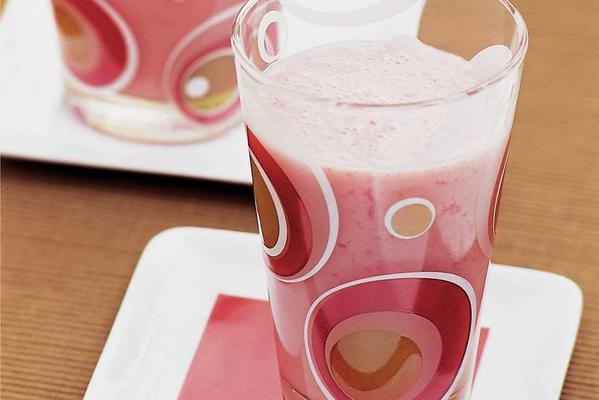 5 minDrink without alcoholbananas, cool fresh apple-pear raspberry juice, Soy drink vanilla,soy fruit shake
 -
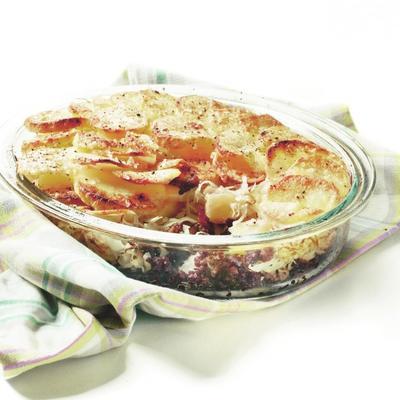 20 minMain dishsauerkraut, sticking potato, liquid baking product, half-to-half minced, Spice meatballs, pineapple, olive oil, liquid baking product,gratin sauerkraut dish with minced meat
 -
 40 minMain dishlemongrass, fresh ginger, Red peppers, onions, tomato cubes, fresh cod fillet, coriander, oil, ground turmeric (koenjit), coconut milk, salt,fish in creamy coconut sauce
 -
 15 minSide dishsweet potato, soft goat cheese, egg, spring / forest onion,stuffed sweet potato with egg
Cardio
-
After the warm-up it is time for cardio training. These are sports such as jogging, cycling, dancing, football, basketball, etc. You burn the most calories during cardio training. Depending on the number of kilos you want to lose, this sport will take one or more hours.
Strength training
-
After the cardio training you can still work on your muscles. This is wise, because if you have stronger muscles you will burn more calories. This will make you lose weight faster. When doing strength training it is important that you train all your muscles. This can be done by training your arm muscles one day, your leg muscles another day and your back muscles another day. Below are a number of home exercises that train certain muscle groups. You can search the internet for a detailed description and several exercises. There are also many videos of different exercises available on websites such as Youtube.
Cool Down
-
This is followed by the cool-down, which protects yourself from muscle pain and injuries. The cool-down takes 10 to 15 minutes and consists of the same parts as the warm-up, but the order is now the other way around:
-
 20 minMain dishTasty vine tomato, (olive oil, fresh basil, onion, garlic, Parmigiano Reggiano, zucchini spaghetti, pumpkin spaghetti, mini buffalo mozzarella,lukewarm pumpkin and zucchini spaghetti
 -
 15 minSide dishtraditional olive oil, curry powder, wheat flour, coconut milk, sambal oelek, chicken broth tablet, water, fresh mango,curry sauce with mango
 -
 30 minMain dishtraditional olive oil, lean ground beef, frozen Mexican wok vegetables, salsa sauce mild, taco shell, grated young cheese, creme fraiche,Mexican vegetable in tacos
 -
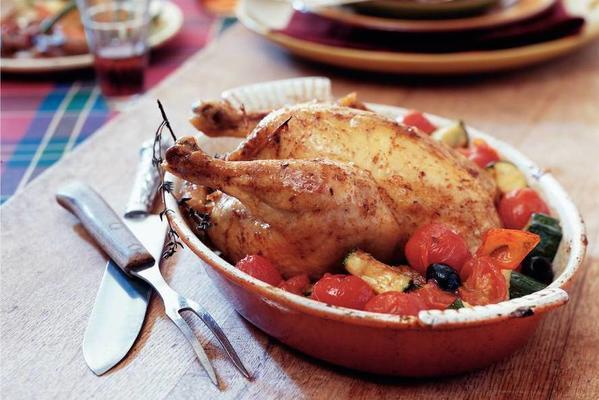 95 minMain dishmaize chicken, lemon, coarse sea salt, pepper, extra virgin olive oil, garlic, thyme, zucchini, tomatoes (small to), black olives without pit,provençal chicken with zucchini and tomatoes
Reducing the intake of calories
-
Of course it is also important to adjust your diet if you want to lose weight. To do this you will first need to determine your required amount of nutrients. You can do this on the internet or you can visit a dietician. Below is the recommended daily allowance for an average adult (according to the reference intakes listed on the nutrition center website):
I have established a daily amount. What now?
-
After determining your daily allowance, it is time to start thinking about your goal weight. How many kilograms do you want to lose? How long do you want to reach your target weight? (Note! Keep the time in which you want to reach your target weight real)