Organic: what does that mean?
-
Organic food is no longer something for 'alternative people'. You can now simply go to the supermarket for organic meat, 'organic' vegetables and eco eggs. Organic products are often more expensive, but they are nevertheless increasingly popular. What exactly does organic mean? And are organic products extra healthy?
-
 € Organicâ € ™ is a protected term. Producers may only put this on the label if foodstuffs meet certain requirements. In the Netherlands, the independent Skal institute strictly checks whether products are really organic. In other countries similar organizations do that.
Mandatory European quality mark
-
Since July 1, 2012, all packaged organic products produced in the European Union have been required to bear the European organic label. This is a logo in the shape of a leaf consisting of 12 stars. It can be a green leaf, but it is also printed in black or white. This logo is not mandatory on unpackaged organic products. Even if a product contains the word organic, organic, bio, eko, eco, it must meet the conditions set for organic food. In short: do you see one of these words or the European organic label? Then you buy something that is guaranteed organic.
-
Since 1 July 2012, all packaged, organic products produced in the European Union have been required to bear the European organic label. This is a logo in the shape of a leaf consisting of 12 stars. It can be a green leaf, but it is also printed in black or white. This logo is not mandatory on unpackaged organic products. Even if a product contains the word organic, organic, bio, eko, eco, it must meet the conditions that apply to organic food. In short: do you see one of these words or the European organic label? Then you buy something that is guaranteed organic.
-
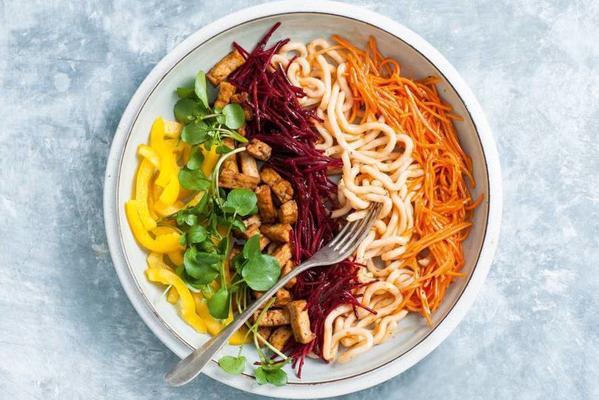 11 minMain dishpeanut oil, tofu stir-fry cubes finely seasoned, stir fry sauce sweet and sour, thick noodles, carrot julienne, beetroot julienne, yellow bell pepper, watercress,rainbow salad with tofu
 -
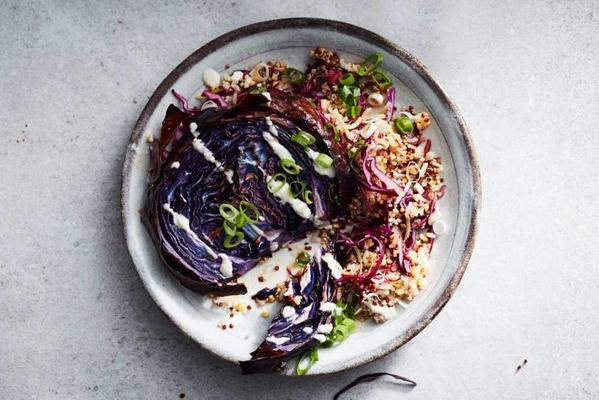 45 minMain dishRed cabbage, mild olive oil, quinoa plus, forest outing, lemon, sesame oil, soy sauce less salt, Bio Today tahini white in pot, tap water,grilled red cabbage with quinoa salad
 -
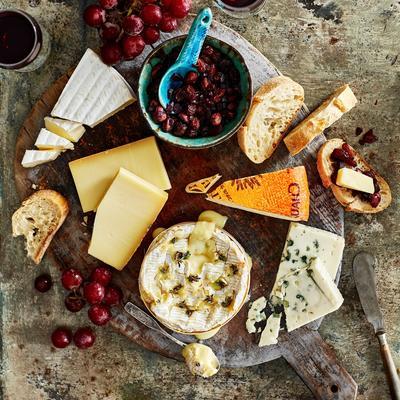 30 minDessertBrie, Roquefort, port salut, gruyere, Camembert, walnut, garlic, thyme, honey, grape, baguette, Red onion, red grape, raisins, Red wine, Red wine vinegar, Brown sugar,generous cheese plate with onion marmalade
 -
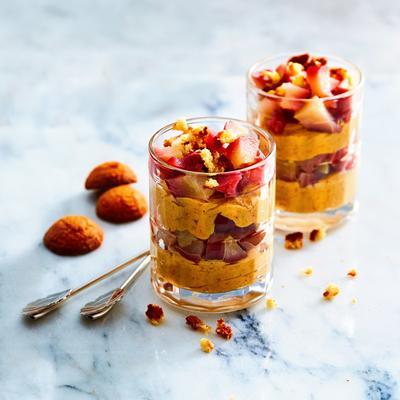 30 minDessertFull Milk, whipped cream, macaroon, custard powder, vanilla sugar, sugar, protein, amaretto, almond liqueur, basic recipe cooking pears,macaroon pastry with casserole
Other logos
-
While shopping, you come across many more quality marks. That can be quite confusing. In addition to the leaf with the stars, there are two more logos that stand for organic: EKO and Demeter. The EKO logo means that products are organic and come from an entrepreneur who works even more sustainably than is necessary for organic food according to European regulations. The Demeter quality mark means that products are biodynamic: they are not only organic, but meet additional requirements, including in the field of animal welfare. In addition to the European organic quality mark, you sometimes see a logo of regional or national quality marks. For example the French agriculture biologique, biogarantie from Belgium or the German Bio-Siegel. Other logos can also tell something about the extent to which sustainability, animal welfare or fair trade have been taken into account. Just think of the Beter Leven Feature, Milieukeur, UTZ Certified, Fair trade or Max Havelaar. However, these labels do not guarantee that the product is organic.
-
While shopping, you come across many more quality marks. That can be quite confusing. In addition to the leaf with the stars, there are two more logos that stand for organic: EKO and Demeter. The EKO logo means that products are organic and come from an entrepreneur who works even more sustainably than is necessary for organic food according to European regulations. The Demeter quality mark means that products are biodynamic: they are not only organic, but also meet additional requirements, including in the field of animal welfare. In addition to the European organic quality mark, you sometimes see a logo of regional or national quality marks. For example the French agriculture biologique, biogarantie from Belgium or the German Bio-Siegel. Other logos can also tell something about the extent to which sustainability, animal welfare or fair trade have been taken into account. Just think of the Beter Leven Feature, Milieukeur, UTZ Certified, Fair trade or Max Havelaar. However, these labels do not guarantee that the product is organic.
Features organic food
-
What does the term â € ˜biologicalâ € ™ actually mean? When making organic food, producers take the environment and animal welfare into account as much as possible. What that exactly means is laid down in laws and regulations. Livestock For livestock, organic means, for example, that animals have more space, mainly eat organic feed, can always go outside if the weather permits and are allowed to live longer. They are given more opportunity to behave as they would in nature than in traditional livestock farming. For example, cows are in the pasture in the summer and live in smaller groups. Laying hens are given litter for foraging and their beaks are not cut off. Pigs keep their curly tail and are allowed to root in the soil. In addition, cattle are only given antibiotics when they are sick, not preventively. Agriculture In organic agriculture, chemical pesticides and fertilizers are prohibited. Farmers only use natural pesticides. They also use natural enemies, such as the parasitic wasp, against harmful insects and diseases. They only grow crops in the soil, not on artificial surfaces. Genetic modification is not allowed. Crop rotation is used to keep the soil fertile and to prevent parasites and pests. This means that the same crop is not allowed to grow in a certain place for years in a row, but that they alternate one crop with another. Milk, cheese and eggs Organic milk comes from cows that graze on pastures where no fertilizers and pesticides have been used. If it is too cold to be outside, they stay in so-called pot stables. In it, the floor is sprinkled with straw. Every day a new layer of straw is placed on top of the manure. They live longer than 'normal' cows. Organic cheese is made from organic milk and may not contain coloring agents. Organic eggs are the most animal-friendly eggs. These chickens get the most space, more than free-range chickens.
-
What does the term â € ˜biologicalâ € ™ actually mean? When making organic food, producers take the environment and animal welfare into account as much as possible. What that exactly means is laid down in laws and regulations. Livestock For livestock, for example, organic means that animals have more space, mainly eat organic feed, can always go outside if the weather permits and are allowed to live longer. They are given more opportunity to behave as they would in nature than in traditional livestock farming. For example, cows are in the pasture in the summer and live in smaller groups. Laying hens are given litter for foraging and their beaks are not cut off. Pigs keep their curly tail and are allowed to root in the soil. In addition, cattle are only given antibiotics when they are sick, not preventively. Agriculture In organic agriculture, chemical pesticides and fertilizers are prohibited. Farmers only use natural pesticides. They also use natural enemies, such as the parasitic wasp, against harmful insects and diseases. They only grow crops in the soil, not on artificial surfaces. Genetic modification is not allowed. Crop rotation is used to keep the soil fertile and to prevent parasites and pests. This means that the same crop may not grow in a certain place for years in a row, but that they alternate one crop with another. Milk, cheese and eggs Organic milk comes from cows that graze on pastures where no fertilizers and pesticides have been used. If it is too cold to be outside, they stay in so-called pot stables. In it, the floor is sprinkled with straw. Every day a new layer of straw is placed on top of the manure. They live longer than 'normal' cows. Organic cheese is made from organic milk and may not contain coloring agents. Organic eggs are the most animal-friendly eggs. These chickens get the most space, more than free-range chickens.
Eco = healthier?
-
Organic products are at least as healthy and safe as other foods. They must meet the same quality requirements. Some people choose organic food because they are convinced that eco is extra good for your health. That has not been proven. It is difficult to prove whether organic foods offer health benefits. The variation between the products is too great for that. The composition constantly changes with the seasons, the varieties used and the regions where farmers grow their crops or let their animals roam. The nutritional value of an organic piece of meat or an eco-egg is in any case about the same as that of the non-organic versions. It contains just as many vitamins and minerals.
-
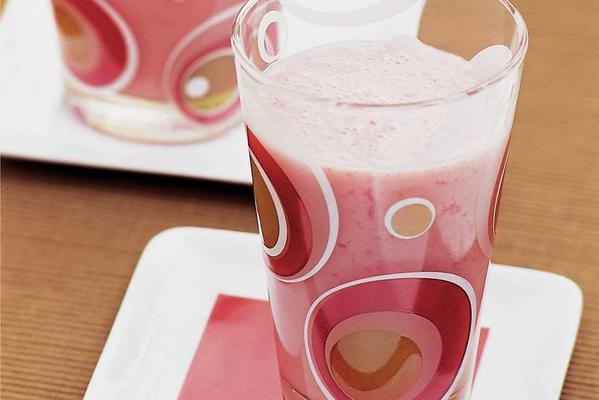 5 minDrink without alcoholbananas, cool fresh apple-pear raspberry juice, Soy drink vanilla,soy fruit shake
 -
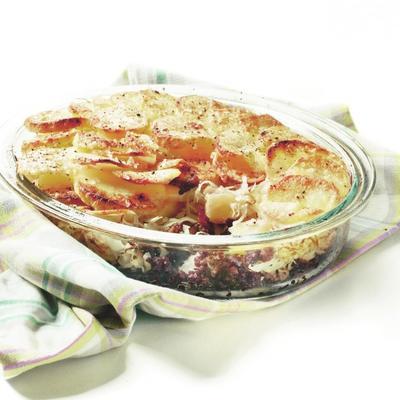 20 minMain dishsauerkraut, sticking potato, liquid baking product, half-to-half minced, Spice meatballs, pineapple, olive oil, liquid baking product,gratin sauerkraut dish with minced meat
 -
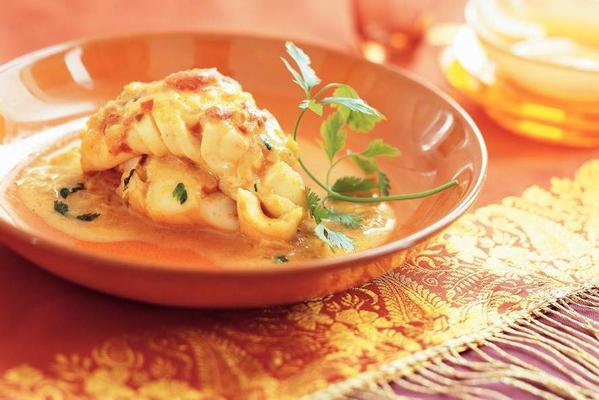 40 minMain dishlemongrass, fresh ginger, Red peppers, onions, tomato cubes, fresh cod fillet, coriander, oil, ground turmeric (koenjit), coconut milk, salt,fish in creamy coconut sauce
 -
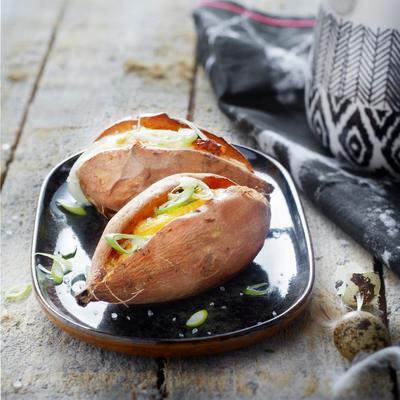 15 minSide dishsweet potato, soft goat cheese, egg, spring / forest onion,stuffed sweet potato with egg
Some advantages
-
Organic fruit and vegetables do have some advantages over non-organic food. For example, they usually contain less pesticide residues and sometimes contain less nitrate. And with organic meat and organic dairy, the chance that you will encounter residues of veterinary medicines is very small. On the other hand, organic eggs contain more carcinogenic dioxins, probably because chickens that spend a lot of time outside take more soil with dioxin. Only very large amounts of dioxins are harmful. If you eat a varied diet, you will not get too much of it. It is difficult to demonstrate the healthier choice based on research among test subjects, because all kinds of other lifestyle factors also influence your health. People who choose organic often have healthier habits. Long-term studies among large groups of consumers have not yet been carried out, so the science is not yet sure whether organic vegetables, dairy and meat are extra healthy. If you value animal welfare, then organic is a good choice anyway.
-
Sign up for our free newsletters and offers and immediately receive the free digital recipe book. You agree to our Privacy Terms. Leave this field blank
Most searched
-
]
-
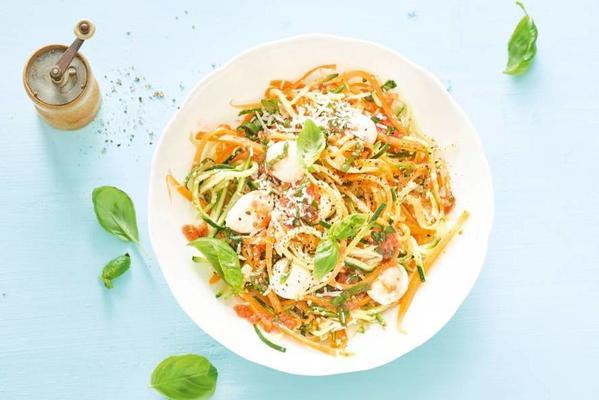 20 minMain dishTasty vine tomato, (olive oil, fresh basil, onion, garlic, Parmigiano Reggiano, zucchini spaghetti, pumpkin spaghetti, mini buffalo mozzarella,lukewarm pumpkin and zucchini spaghetti
 -
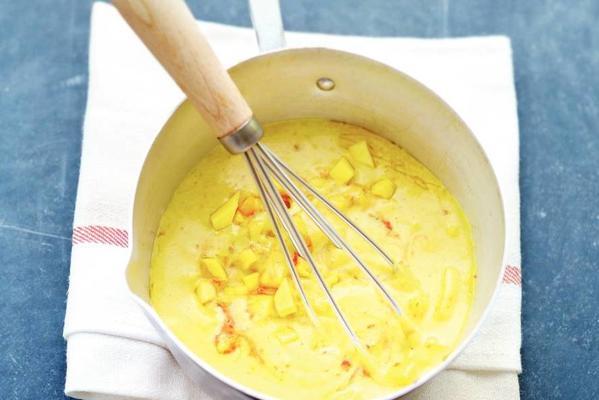 15 minSide dishtraditional olive oil, curry powder, wheat flour, coconut milk, sambal oelek, chicken broth tablet, water, fresh mango,curry sauce with mango
 -
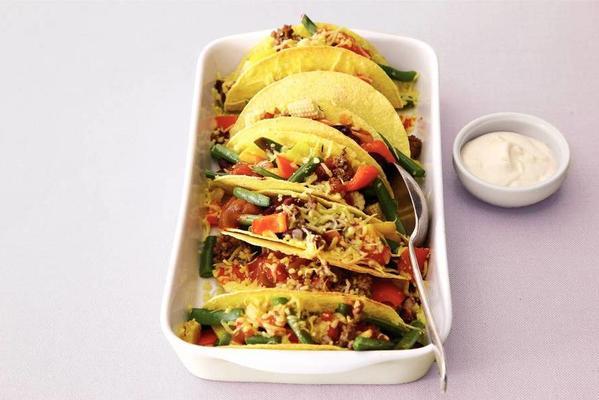 30 minMain dishtraditional olive oil, lean ground beef, frozen Mexican wok vegetables, salsa sauce mild, taco shell, grated young cheese, creme fraiche,Mexican vegetable in tacos
 -
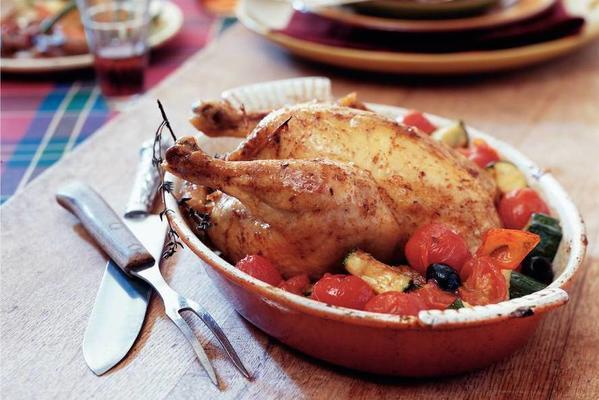 95 minMain dishmaize chicken, lemon, coarse sea salt, pepper, extra virgin olive oil, garlic, thyme, zucchini, tomatoes (small to), black olives without pit,provençal chicken with zucchini and tomatoes