Rose hip, superfood from your own garden
-
When it comes to the numbers of phytonutrients, rose hip would certainly belong to the superfood category. The rose has many culinary uses. The leaves are used to make a rose lemonade, the young leaves are used to make a tea and the fruits are ideal for making jam or possibly a syrup. You can even make a fresh jam or sauce from pureed rosehips without boiling it, so that all the vitamins are retained. The beauty of rose hip is: you can just put the shrub in your own garden. It is a type of fruit that yields a lot of vitamin C-rich fruits while requiring little attention.
Contents:
-
Rose in ancient times Plant a rose hip Fruit of the rose Make your own rosehip jam Rose hips in use Rose hip and essential fatty acids Rosehip in Science
Rose in ancient times
-
Rose hip is a millennia-old superfood. In ancient times, people were already aware of the healing power of rose hip. Pliny the Elder, who belonged to the ancient Romans, wrote a whole story about the medicinal uses of the rose and its bottle. Charlemagne ordered that the rose variety rosa rubiginosa be planted on a large scale because it was a plant that eliminated kidney and bladder problems, among other things.
-
 11 minMain dishpeanut oil, tofu stir-fry cubes finely seasoned, stir fry sauce sweet and sour, thick noodles, carrot julienne, beetroot julienne, yellow bell pepper, watercress,rainbow salad with tofu
 -
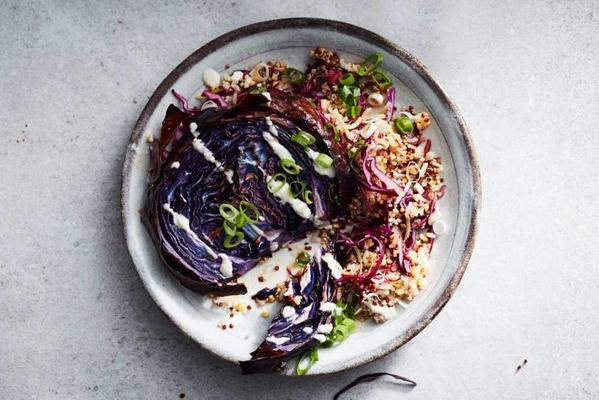 45 minMain dishRed cabbage, mild olive oil, quinoa plus, forest outing, lemon, sesame oil, soy sauce less salt, Bio Today tahini white in pot, tap water,grilled red cabbage with quinoa salad
 -
 30 minDessertBrie, Roquefort, port salut, gruyere, Camembert, walnut, garlic, thyme, honey, grape, baguette, Red onion, red grape, raisins, Red wine, Red wine vinegar, Brown sugar,generous cheese plate with onion marmalade
 -
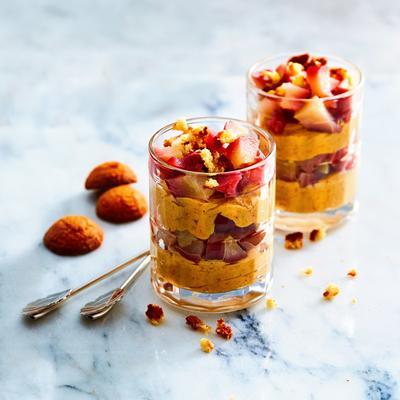 30 minDessertFull Milk, whipped cream, macaroon, custard powder, vanilla sugar, sugar, protein, amaretto, almond liqueur, basic recipe cooking pears,macaroon pastry with casserole
Plant a rose hip
-
It is advisable to leave a space in the garden for a rose bush that makes beautiful rose hips. In principle, every rose makes hips, but not all are equally suitable and the vitamin content can also vary. The Rosehip Bushes Rosa rubiginosa / Source: Kristian Peters, Wikimedia Commons (CC BY-SA-3.0)
Fruit of the rose
-
Rose hip is the fruit of the rose bush. This red-orange berry, which is slightly larger than a cherry, is a rich source of vitamin C. It is now sold as a superfood supplement in powder form. Acerola or West Indian cherry is a South American berry that, together with rose hip, has the highest vitamin C content of all fruits. In comparison, there is 30 times as much vitamin C in rose hip as in an orange. Even compared to a kiwi, the same weight of rose hip pulp contains 17 times more vitamin C.
Make your own rosehip jam
-
You can blanch, puree and filter the seeds out to make a nice smooth mass. You can then mix this with honey to extend the shelf life to a number of weeks. You can also boil the puree so that the shelf life is one year. Cooking with a little stevia leaves makes the puree a bit sweeter and you can mix it with palm sugar, which is a healthy variant of granulated sugar. Normally people add pectin to give it more substance, but a healthy version is coconut oil, which hardens naturally in our climate. This is how you make your own super healthy rose hip jam. People who take less time to provide themselves with nutritional products may consider buying rose hip powder with the aim of mixing a teaspoon of this powder into a smoothie daily.
-
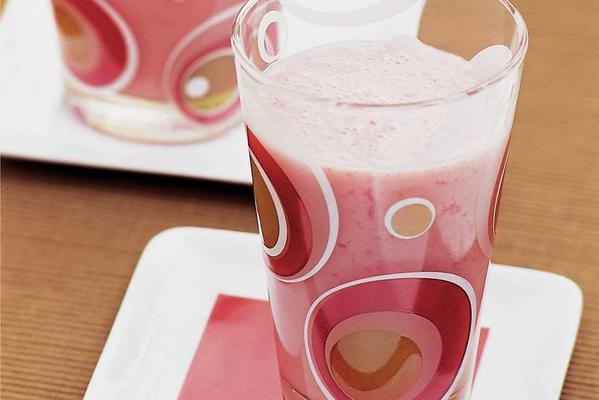 5 minDrink without alcoholbananas, cool fresh apple-pear raspberry juice, Soy drink vanilla,soy fruit shake
 -
 20 minMain dishsauerkraut, sticking potato, liquid baking product, half-to-half minced, Spice meatballs, pineapple, olive oil, liquid baking product,gratin sauerkraut dish with minced meat
 -
 40 minMain dishlemongrass, fresh ginger, Red peppers, onions, tomato cubes, fresh cod fillet, coriander, oil, ground turmeric (koenjit), coconut milk, salt,fish in creamy coconut sauce
 -
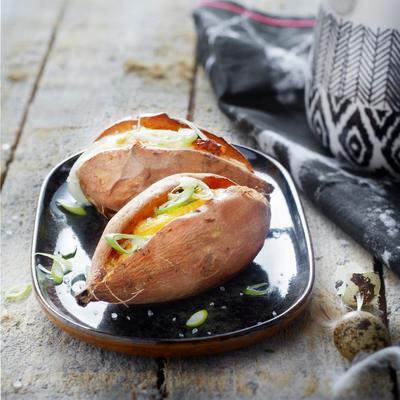 15 minSide dishsweet potato, soft goat cheese, egg, spring / forest onion,stuffed sweet potato with egg
Rose hips in use
-
Filtering the seeds from rose hips is a job that requires patience. It is best to use a large mesh colander and purée the blanched rose hips with your hands. You must collect the residue, the puree, in a bowl. Instead of making a jam, you can also use this for a syrup. In addition, rosehip puree is an excellent addition to a sauce, soup or tea, according to Mellie Uyldert, a great Dutch medicinal plant expert from the last century.
Rose hip and essential fatty acids
-
A rose bush is beautiful, tasty and produces healthy fruits. / Source: AmonDhan, Wikimedia Commons (GFDL)
Rosehip in science
-
Extensive research has been done into the healing properties of rose hip. Here are just a few of the many scientific studies:
-
 20 minMain dishTasty vine tomato, (olive oil, fresh basil, onion, garlic, Parmigiano Reggiano, zucchini spaghetti, pumpkin spaghetti, mini buffalo mozzarella,lukewarm pumpkin and zucchini spaghetti
 -
 15 minSide dishtraditional olive oil, curry powder, wheat flour, coconut milk, sambal oelek, chicken broth tablet, water, fresh mango,curry sauce with mango
 -
 30 minMain dishtraditional olive oil, lean ground beef, frozen Mexican wok vegetables, salsa sauce mild, taco shell, grated young cheese, creme fraiche,Mexican vegetable in tacos
 -
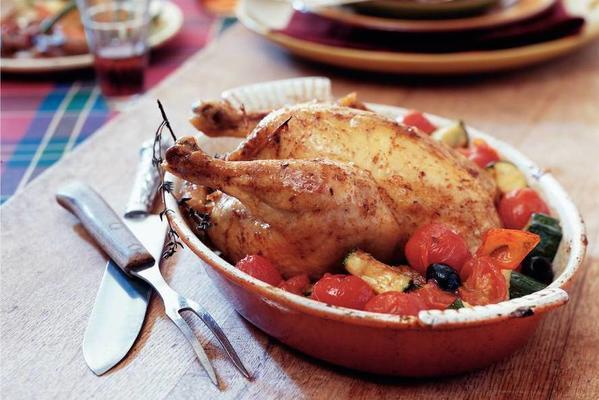 95 minMain dishmaize chicken, lemon, coarse sea salt, pepper, extra virgin olive oil, garlic, thyme, zucchini, tomatoes (small to), black olives without pit,provençal chicken with zucchini and tomatoes