Spaghetti Squash: Health Benefits
-
Spaghetti squash is a delicious winter vegetable and is known for its nutty flavor. The spaghetti squash is related to the squash and zucchini and comes in many colors, shapes and sizes. The colors of the peel vary from off-white to deep orange. Spaghetti squash is not only low in calories, it is packed with important nutrients that have a positive effect on your health. Spaghetti squash is high in fiber and is a rich source of vitamin B6, vitamin C and manganese.
Nutritional content of spaghetti squash
-
100 grams of cooked spaghetti squash contains mainly the following nutrients:
Rich in vitamin B6
-
Vitamin B6 is also called pyridoxine. This vitamin plays a role in the synthesis and breakdown of amino acids. These amino acids are again needed to make proteins. Vitamin B6 is important for the energy supply in your muscles because of its role in protein metabolism. Vitamin B6 also controls the functioning and synthesis of female hormones in particular. Vitamin B6 is also important for the proper functioning of your immune and nervous systems and for the production of blood. In combination with vitamins B11 and B12, vitamin B6 accelerates the absorption of iron in your body.
-
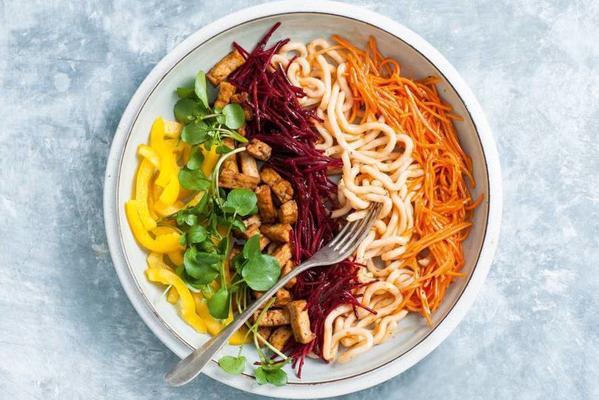 11 minMain dishpeanut oil, tofu stir-fry cubes finely seasoned, stir fry sauce sweet and sour, thick noodles, carrot julienne, beetroot julienne, yellow bell pepper, watercress,rainbow salad with tofu
 -
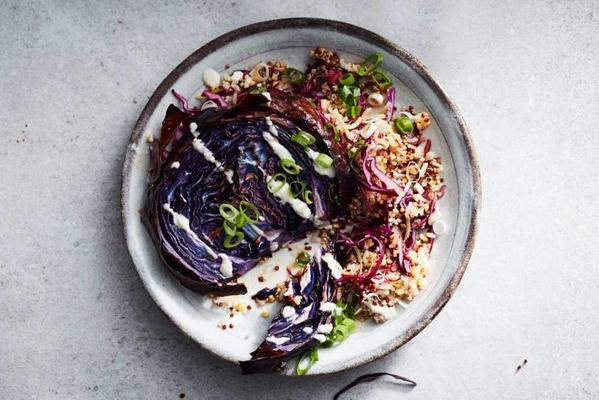 45 minMain dishRed cabbage, mild olive oil, quinoa plus, forest outing, lemon, sesame oil, soy sauce less salt, Bio Today tahini white in pot, tap water,grilled red cabbage with quinoa salad
 -
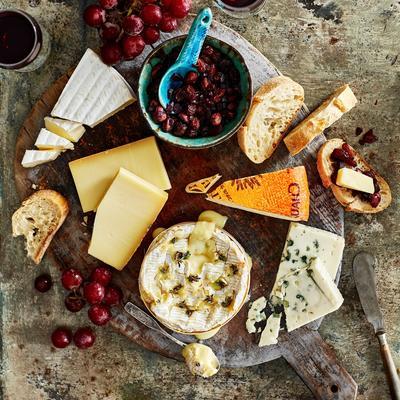 30 minDessertBrie, Roquefort, port salut, gruyere, Camembert, walnut, garlic, thyme, honey, grape, baguette, Red onion, red grape, raisins, Red wine, Red wine vinegar, Brown sugar,generous cheese plate with onion marmalade
 -
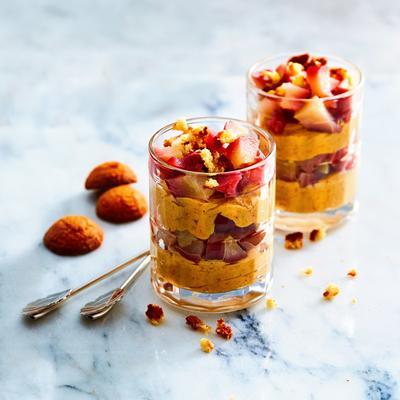 30 minDessertFull Milk, whipped cream, macaroon, custard powder, vanilla sugar, sugar, protein, amaretto, almond liqueur, basic recipe cooking pears,macaroon pastry with casserole
Rich in vitamin C
-
Spaghetti squash is a rich source of vitamin C. Vitamin C also acts as an antioxidant and is important in the prevention of disease. Furthermore, Vitamin C is needed for the production of collagen.
Rich in manganese
-
Manganese is involved in the synthesis of connective tissue in your bones and cartilage. In addition, manganese plays a role in amino acid, cholesterol and carbohydrate metabolism. Manganese is required for the synthesis and adequate activity of a number of enzymes.
Rich in antioxidants
-
Spaghetti squash is a winter squash variety. These strains are known for being rich in antioxidants. Antioxidants are substances that fight free radicals in your body. As a result, antioxidants protect against oxidative stress that can damage your body cells. In addition, antioxidants can help prevent chronic conditions such as type 2 diabetes, heart disease and cancer.
-
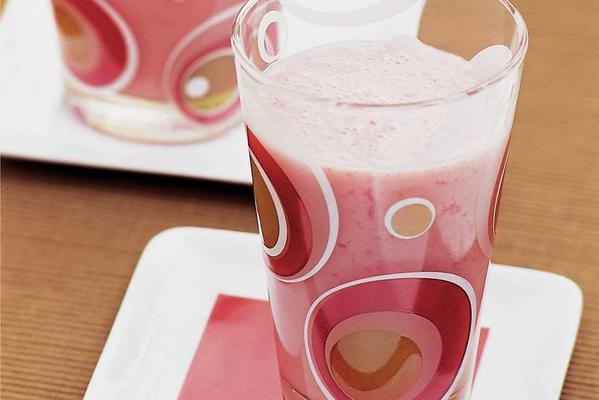 5 minDrink without alcoholbananas, cool fresh apple-pear raspberry juice, Soy drink vanilla,soy fruit shake
 -
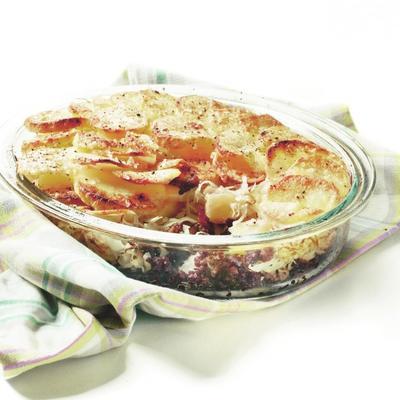 20 minMain dishsauerkraut, sticking potato, liquid baking product, half-to-half minced, Spice meatballs, pineapple, olive oil, liquid baking product,gratin sauerkraut dish with minced meat
 -
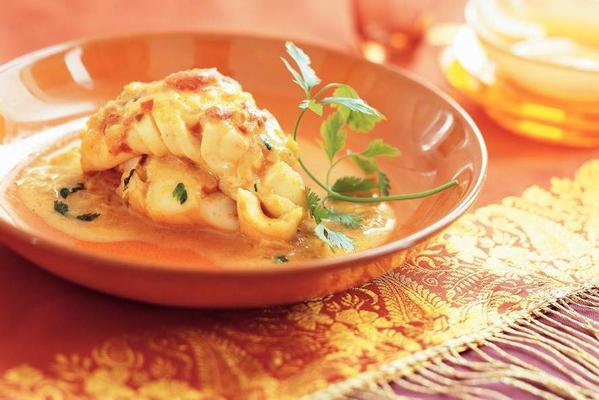 40 minMain dishlemongrass, fresh ginger, Red peppers, onions, tomato cubes, fresh cod fillet, coriander, oil, ground turmeric (koenjit), coconut milk, salt,fish in creamy coconut sauce
 -
 15 minSide dishsweet potato, soft goat cheese, egg, spring / forest onion,stuffed sweet potato with egg
Health Benefits
-
Promotes digestion Spaghetti squash is rich in fiber. 100 grams of cooked spaghetti squash provides 1.4 grams (6%) of the recommended amount of fiber in your diet. Fiber creates volume in your stool, which promotes regular bowel movements and reduces the risk of constipation. Eating more fiber can promote digestive health. A high-fiber diet could have a positive effect on conditions such as hemorrhoids, bowel ulcers, diverticulitis and gastroesophageal reflux disease (GERD).
Supports weight loss
-
Spaghetti squash is not only a source of fiber, but 100 grams of cooked spaghetti squash provides only 27 kcal and 6.5 grams of carbohydrates. Consuming this winter vegetable is therefore a healthy choice in a responsible (slimming) diet. Fiber supports the loss of body weight because it has a slowing effect on the emptying of your stomach. In addition, fiber reduces the fluctuation of the blood sugar level so that you have less hunger. You can use spaghetti squash as a slim alternative to heavy casseroles and pasta dishes. Spaghetti squash seems to be a good alternative for pasta in particular. Keep the other ingredients in your oven and pasta dishes.
Preparation method for spaghetti squash
-
To replace pasta in dishes, you can use the following preparation method:
-
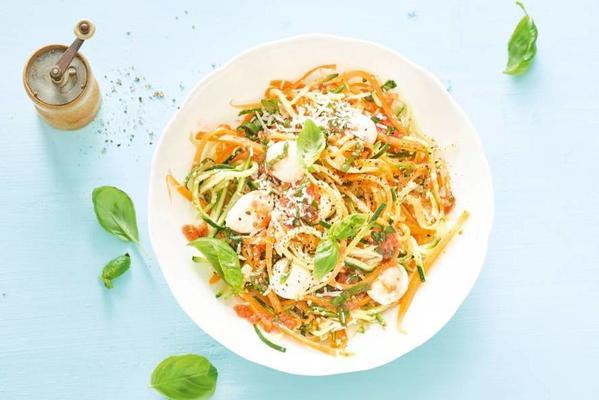 20 minMain dishTasty vine tomato, (olive oil, fresh basil, onion, garlic, Parmigiano Reggiano, zucchini spaghetti, pumpkin spaghetti, mini buffalo mozzarella,lukewarm pumpkin and zucchini spaghetti
 -
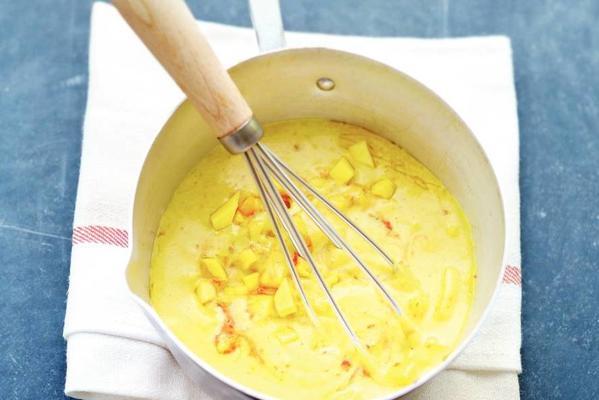 15 minSide dishtraditional olive oil, curry powder, wheat flour, coconut milk, sambal oelek, chicken broth tablet, water, fresh mango,curry sauce with mango
 -
 30 minMain dishtraditional olive oil, lean ground beef, frozen Mexican wok vegetables, salsa sauce mild, taco shell, grated young cheese, creme fraiche,Mexican vegetable in tacos
 -
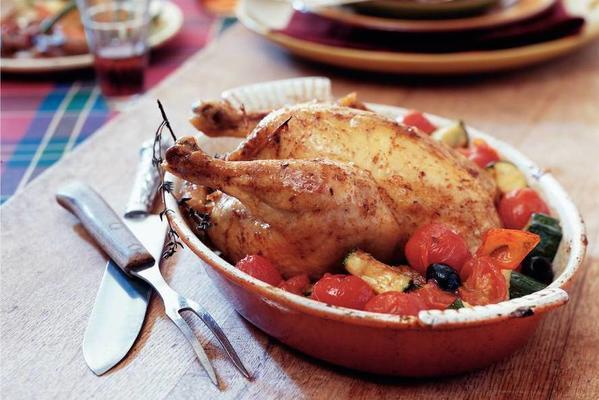 95 minMain dishmaize chicken, lemon, coarse sea salt, pepper, extra virgin olive oil, garlic, thyme, zucchini, tomatoes (small to), black olives without pit,provençal chicken with zucchini and tomatoes
Points to consider when consuming spaghetti squash
-
Although spaghetti squash is a delicious, nutritious winter vegetable, people may be allergic to this food. The symptoms of food allergy can include itching, hives, swelling and digestive problems.