The healing power of black cumin
-
Black cumin is originally only grown in South and South West Asia. This plant also grows originally on the Asian side of the Mediterranean. Today, in some places in Europe, black cumin is found wild. The black cumin plant grows to about 30 centimeters high and has beautiful, white to light blue flowers. The plant flowers from May to July. In Western and Central Europe, the plant was grown in herb gardens. The black seeds are a bit like pepper in taste. Black cumin has healing power against diabetes and cancer, among other things.
Contents:
-
Different types of cumin Naming History of black cumin seeds Black cumin oil Officially confirmed healing power Ingredients Medicinal actions Uses in Naturopathy Black cumin seeds and cancer Good for diabetes Eating Tips
Different types of cumin
-
There are different types of black cumin. Only Nigella sativa will be discussed in this article. Other cumin varieties with their Latin names are:
-
 11 minMain dishpeanut oil, tofu stir-fry cubes finely seasoned, stir fry sauce sweet and sour, thick noodles, carrot julienne, beetroot julienne, yellow bell pepper, watercress,rainbow salad with tofu
 -
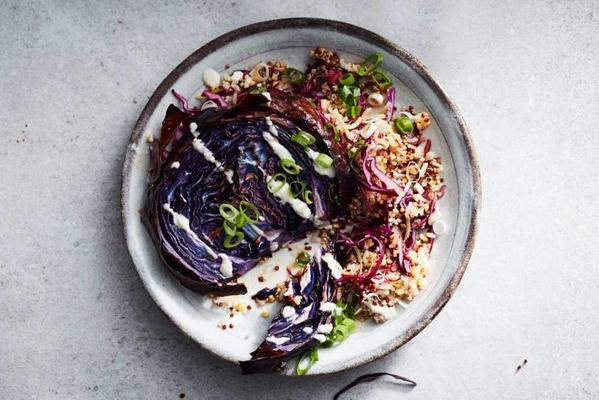 45 minMain dishRed cabbage, mild olive oil, quinoa plus, forest outing, lemon, sesame oil, soy sauce less salt, Bio Today tahini white in pot, tap water,grilled red cabbage with quinoa salad
 -
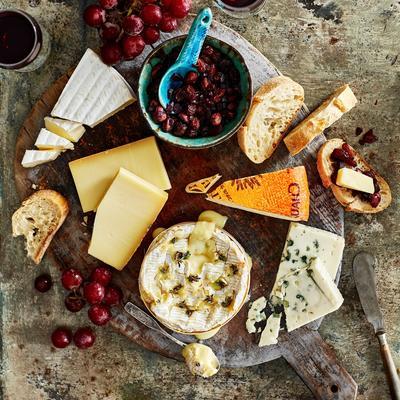 30 minDessertBrie, Roquefort, port salut, gruyere, Camembert, walnut, garlic, thyme, honey, grape, baguette, Red onion, red grape, raisins, Red wine, Red wine vinegar, Brown sugar,generous cheese plate with onion marmalade
 -
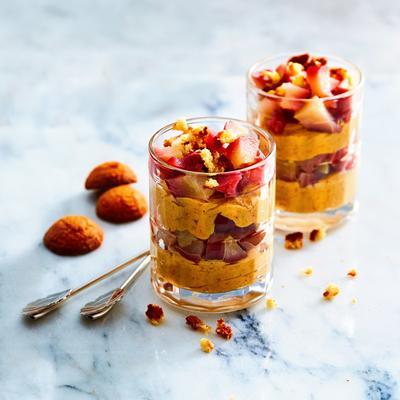 30 minDessertFull Milk, whipped cream, macaroon, custard powder, vanilla sugar, sugar, protein, amaretto, almond liqueur, basic recipe cooking pears,macaroon pastry with casserole
Naming
-
The Latin name used in science for this plant is Nigella sativa. Cumin is sometimes referred to as kalonji or nutmeg flour in Dutch. In German this plant is called Echter Schwarzkümmel and in English this plant is said to be fennel flower or nutmeg flower.
History of black cumin seed
-
Black cumin seed was used in bread in the Middle East a few millennia ago to give it a more spicy taste and increase its nutritional value. In ancient Egypt, black cumin seeds were given to the deceased pharaohs to aid in their transition to the next world. Hippocrates, the divine father of medicine, and Dioscorides, the pioneer of medicine and herbal science, already used black cumin for the healing power it contains. Avicienna, the famous Islamic physician and philosopher also used black cumin as a medicine. In ancient times by the medical scientists mentioned here it was mainly used for: eczema, hair loss, high blood pressure, fever, incontinence, gallstones and constipation.
Black Cumin Oil
-
An oil is made from the seeds. The healing power of black cumin oil has been used thousands of years ago, just like the cumin seeds. The oil is good for all kinds of intestinal problems and skin conditions such as psoriasis, neurodermatitis and eczema. In India, black cumin oil is given to pregnant women to prevent and cure all kinds of pregnancy ailments. Furthermore, black cumin oil is good for the regulation of the immune system, in asthma and as a means to reduce the side effects of chemotherapy.
-
 5 minDrink without alcoholbananas, cool fresh apple-pear raspberry juice, Soy drink vanilla,soy fruit shake
 -
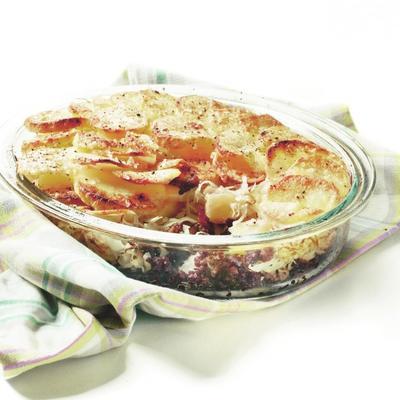 20 minMain dishsauerkraut, sticking potato, liquid baking product, half-to-half minced, Spice meatballs, pineapple, olive oil, liquid baking product,gratin sauerkraut dish with minced meat
 -
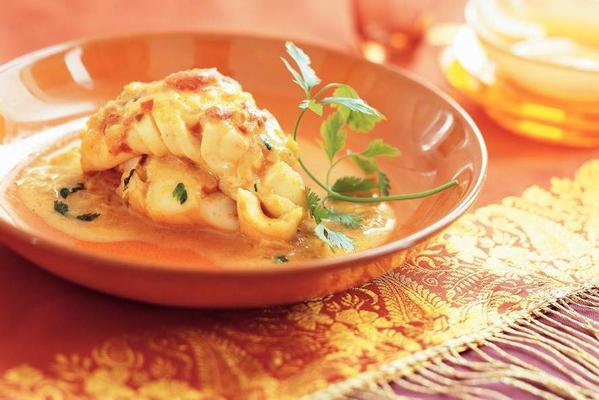 40 minMain dishlemongrass, fresh ginger, Red peppers, onions, tomato cubes, fresh cod fillet, coriander, oil, ground turmeric (koenjit), coconut milk, salt,fish in creamy coconut sauce
 -
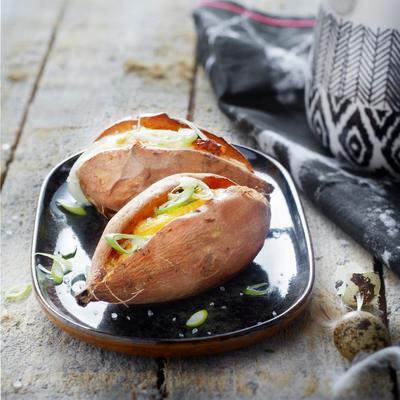 15 minSide dishsweet potato, soft goat cheese, egg, spring / forest onion,stuffed sweet potato with egg
Officially confirmed healing power
-
The fact that black cumin has medicinal properties is endorsed by official organizations such as the Food and Drug Administration (FDA) in the USA. This organization is the counterpart of the Dutch Food and Consumer Product Safety Authority. If a product has patents on medicinal properties, it means that this product has been extensively researched and proven time and again that it has these medicinal properties. Black cumin offers an extensive range of healing power and Black cumin in bloom / Source: Pamla J. Eisenberg from USA, Wikimedia Commons (CC BY-SA-2.0)
Ingredients
-
The seeds are collected in August and September. Black cumin seeds include: linoleic acid, essential oils such as thymoquinone and carvacrol, nigellon or dithymoquinone, melanthin, the alkaloids alphahedederine, nigillin, nigellicins, nigelledine and damascenin, saponins, protoanemonin, fatty oil and tannins. Melanthin is toxic in large doses and nigellin can cause paralysis. Hence, this herb should be used in moderation. On the other hand, a scientific study from 2003 reports that there are very few side effects of this plant. Only two cases of contact dermatitis have been reported.
Medicinal effects
-
The substances mentioned in the paragraph above have medicinal effects. As an example: Nigellon is a muscle relaxant and can provide relief from whooping cough and bronchitis. A 2003 study reports, “Black cumin has anti-inflammatory, analgesic, antipyretic, antimicrobial and antineoplastic activity. The oil reduces blood pressure and improves breathing. Thymoquinone and carvacrol have a strong antioxidant effect. Another 2010 study recommends consuming some black cumin seeds daily as it prevents a range of diseases.
-
 20 minMain dishTasty vine tomato, (olive oil, fresh basil, onion, garlic, Parmigiano Reggiano, zucchini spaghetti, pumpkin spaghetti, mini buffalo mozzarella,lukewarm pumpkin and zucchini spaghetti
 -
 15 minSide dishtraditional olive oil, curry powder, wheat flour, coconut milk, sambal oelek, chicken broth tablet, water, fresh mango,curry sauce with mango
 -
 30 minMain dishtraditional olive oil, lean ground beef, frozen Mexican wok vegetables, salsa sauce mild, taco shell, grated young cheese, creme fraiche,Mexican vegetable in tacos
 -
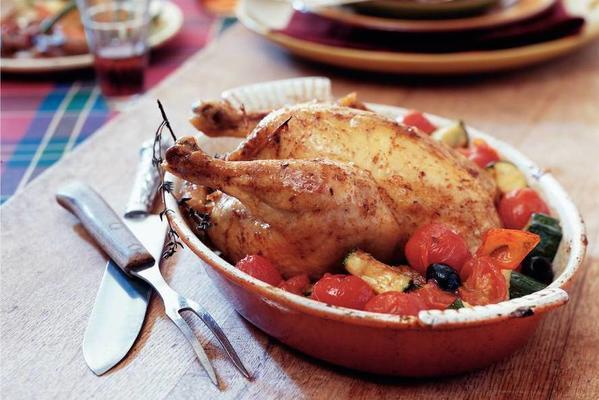 95 minMain dishmaize chicken, lemon, coarse sea salt, pepper, extra virgin olive oil, garlic, thyme, zucchini, tomatoes (small to), black olives without pit,provençal chicken with zucchini and tomatoes
Uses in Naturopathy
-
In the book Medicinal Plants and Herbs by Dr. Ute Künkele and Till R. Lohmeyer tell these herbalists that the plant can be used for bile, kidney and bladder problems. It is also a plant that fights intestinal worms. In homeopathy the plant is mainly a remedy for stomach ailments, jaundice and other liver diseases.
Black Cumin Seeds and Cancer
-
Numerous studies have been conducted into the anti-cancer effect of black cumin seeds. Especially the essential oils in this seed can make cancer cells disappear and thus increase the chance of surviving cancer and chemotherapy. An American study from 2011 states that the anti-cancer effect of black cumin seed has been recognized for millennia, but that it was only from the 1980s that this property was properly researched. In 2011, the gentlemen and ladies scientists still don't know how black cumin seed cures cancer, just that it stops tumor cells from developing and then the tumors shrink until they're gone. Thymoquinone is designated as the most important ingredient when it comes to anti-cancer activity. Uterine, prostate, colon, skin, lung, liver, pancreas, colon and breast cancers and blood or leukemia have all been subject to scientific research with black cumin seeds and black cumin seeds have been shown to help with these cancers .
Good with diabetes
-
Black cumin seed is extra good for the diabetes mellitus type 2 patient, popularly called the diabetes patient. A 2010 Saudi Arabian study found that taking two grams of black cumin seeds per day improves insulin levels in the blood. After use over a period of 12 weeks, the researchers saw that insulin resistance was greatly reduced. According to the same study, this amount has no harmful effect on the liver or other organs. [! 181365 => 1130 = 12!] Eating Tips
-
Black cumin seeds can be powdered and mixed with herb butter. Those who bake their own bread would do well to add some seeds to the flour, possibly in powdered form. Black cumin oil goes well over a salad. You can use the seeds of black cumin in a self-made herbal tea.