The healing power of dandelion
-
There are 200 types of dandelions and they all have a similar medicinal effect. Anyone who sees the dandelion as a nuisance weed in the garden is seriously neglecting both the dandelion and himself. The dandelion is nutritious, free and medicinal. You can mix a few leaves of dandelion into a meal every day. That's good for the liver. Dandelion is not a weed; it is a free medicinal vegetable.
Contents:
-
Naming dandelion Nutrients dandelion History of dandelion as a medicine Good for the liver Dandelion is good for digestion Moisturizing effect of dandelion Other uses of dandelion Consult the herbalist
Naming dandelion
-
In Latin this flower is called Taraxacum Officinale. Taraxacum comes from the Greek word taraxa. That means condition. There are more reasons given why dandelion is called taraxacum in Latin, but this reasoning seems the most likely. The addition of officinale is clear because it means: 'from the pharmacist's workshop'. In Dutch, dandelion has various popular names: woodleaf, bedpisser, mole lettuce, lion's tooth, dandelion lettuce, horse cuttings, sugar plant, wild sugar, dog salad, milk weed, milk flower, goose tongues, hensel leaves, gingerbread, earrings, poppy flower, candles, chain flower, rabbit green, feather flower, scabies , penny, velrijs, wild chicory, blowers, septic thistle, sorrel thistle, cancker flower and mailman.
-
 11 minMain dishpeanut oil, tofu stir-fry cubes finely seasoned, stir fry sauce sweet and sour, thick noodles, carrot julienne, beetroot julienne, yellow bell pepper, watercress,rainbow salad with tofu
 -
 45 minMain dishRed cabbage, mild olive oil, quinoa plus, forest outing, lemon, sesame oil, soy sauce less salt, Bio Today tahini white in pot, tap water,grilled red cabbage with quinoa salad
 -
 30 minDessertBrie, Roquefort, port salut, gruyere, Camembert, walnut, garlic, thyme, honey, grape, baguette, Red onion, red grape, raisins, Red wine, Red wine vinegar, Brown sugar,generous cheese plate with onion marmalade
 -
 30 minDessertFull Milk, whipped cream, macaroon, custard powder, vanilla sugar, sugar, protein, amaretto, almond liqueur, basic recipe cooking pears,macaroon pastry with casserole
Nutrients dandelion
-
Dandelion root is full of nutrients. It is therefore advisable to regularly eat fresh dandelion as a wild vegetable. It contains a lot of bitter substances. Furthermore, it contains phytosterols, fatty acids including linoleic acid, linolenic acid, palmitic acid and oleic acid. It also contains flavonoids, phenolic acids, mucilages, tannins or tannins, vitamins B1, B2, B3, C, choline and the minerals calcium, selenium, chromium, magnesium, zinc, manganese and sulfur. The leaves of dandelion have a slightly different composition. The leaf contains many phytonutrients. It contains vitamins A, B1, B2, C, E, choline and carotenoids. In terms of minerals, the leaf contains iron, calcium, magnesium, manganese, sodium, selenium, silicon, phosphorus and copper.
History of dandelion as medicine
-
The dandelion first appears in medicinal books from China from the 7th century. In the 10th and 11th centuries it has been described in Arabic books. The first mention in the west of dandelion as a medicinal herb dates back to the 15th century. The effects described by traditional Chinese medicine are scientifically confirmed today. The Chinese mainly used it against liver diseases. In India, dandelion is also used for the liver. Dandelion has been an official medicinal herb since the 16th century. Medicinal herbs were given the addition 'official' at that time. During World War II, people ate dandelion as a wild vegetable.
Good for the liver
-
Dandelion has a gall-increasing and gall-driving effect. This allows the liver to digest food better. Fats in particular can be digested better if one eats dandelion leaves or roots. In medical terms, the dandelion is called a hepatic; a liver stimulant or a liver painkiller. The bitter substances are responsible for this. The effect of the root is stronger than the leaf. It is also an anti-lithic, which means that it prevents the formation of gallstones. It is used as a medicine against the following liver diseases:
-
 5 minDrink without alcoholbananas, cool fresh apple-pear raspberry juice, Soy drink vanilla,soy fruit shake
 -
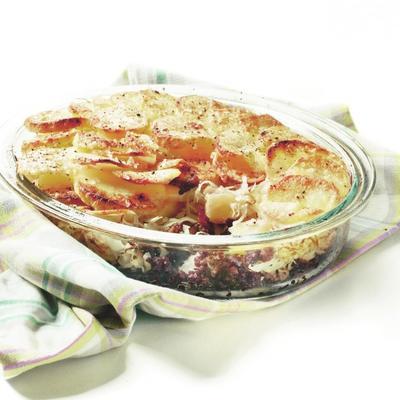 20 minMain dishsauerkraut, sticking potato, liquid baking product, half-to-half minced, Spice meatballs, pineapple, olive oil, liquid baking product,gratin sauerkraut dish with minced meat
 -
 40 minMain dishlemongrass, fresh ginger, Red peppers, onions, tomato cubes, fresh cod fillet, coriander, oil, ground turmeric (koenjit), coconut milk, salt,fish in creamy coconut sauce
 -
 15 minSide dishsweet potato, soft goat cheese, egg, spring / forest onion,stuffed sweet potato with egg
Dandelion is good for digestion
-
The bitter substances and choline in dandelion promote digestion. In addition, saliva secretion is promoted. Saliva contains enzymes that digest food so the more saliva enters your stomach, the better you digest it. It is also an appetite stimulant. In addition, the secretion of substances by the pancreas is promoted by dandelion. It is used in the following indications that have to do with digestion:
Dandelion wicking properties
-
Dandelion has a diuretic effect, which means diuretic. It works better than regular medication because it sometimes leads to a potassium deficiency. Dandelion leaves contain enough potassium, so by using this as a diuretic medicine you cannot get a potassium deficiency. In addition, the leaf is uric acid-repellent and purifies the blood. This is mainly due to the presence of sulfur. Furthermore, dandelion leaves have an anti-inflammatory effect. Because of all these medicinal properties, dandelion is good against rheumatic diseases; these are caused by large amounts of toxins that are stored in moisture. The detoxifying and purifying effect of dandelion ensures that toxins leave the body faster. Dandelion is used as a medicine for the reasons mentioned here:
Other uses of dandelion
-
The healthy properties of dandelion mean that this plant can offer a solution for various conditions. Listed here are some conditions and why dandelion can be a medicine:
-
 20 minMain dishTasty vine tomato, (olive oil, fresh basil, onion, garlic, Parmigiano Reggiano, zucchini spaghetti, pumpkin spaghetti, mini buffalo mozzarella,lukewarm pumpkin and zucchini spaghetti
 -
 15 minSide dishtraditional olive oil, curry powder, wheat flour, coconut milk, sambal oelek, chicken broth tablet, water, fresh mango,curry sauce with mango
 -
 30 minMain dishtraditional olive oil, lean ground beef, frozen Mexican wok vegetables, salsa sauce mild, taco shell, grated young cheese, creme fraiche,Mexican vegetable in tacos
 -
 95 minMain dishmaize chicken, lemon, coarse sea salt, pepper, extra virgin olive oil, garlic, thyme, zucchini, tomatoes (small to), black olives without pit,provençal chicken with zucchini and tomatoes
Consult the herbalist
-
Using two leaves of dandelion to one ounce of dandelion every day is safe. Dandelion used to be a vegetable and was sold at vegetable markets as mole lettuce. If you want to use dandelion as a medicine, it is best to consult a herbalist. Dandelion extracts and medicines in the form of mother tinctures, powders and capsules should only be taken on prescription by authorized persons. A doctor or herbalist can advise you on this. All medicinal effects of this medicinal herb mentioned in this article are based on scientific research and come from Geert Verhelst's Large Handbook of Medicinal Plants, a standard work in the field of healing plants. The book is widely used in phytotherapy.