The healing power of rhubarb
-
Rhubarb is a vegetable that is usually classified as a fruit. It is prepared in a confiture or compote. It is nice to grow rhubarb yourself, to process it and to put it in pots. Rhubarb is a delicious dessert or side dish. Most rhubarb varieties have red stems, but there are varieties with green stems.
Contents:
-
Two explanations of the origin Naming Stool promoting Oxalic acid fun facts about rhubarb Vitamins in Rhubarb Minerals in rhubarb Rhubarb reduces inflammation Eating tips rhubarb
Two explanations of the origin
-
Rhubarb has only been eaten since the 17th century. Before that, the roots were only used as a purgative. A purgative is a means that purifies and cleanses the body, among other things because it stimulates the stool. John Gerard was a court physician to King Charles I. He is the one who discovered that rhubarb stems can be eaten. At least that's an explanation on the Dutch wikipedia site, which is probably incorrect. Much more logical is the explanation on the German Wikipedia site: Rhubarb originates from the Himalayas and has been cultivated in Russia since the 16th century. From Russia, rhubarb has slowly spread to Germany, France and the Netherlands and thus ended up in England. In England, the cultivation of rhubarb was optimized, after which a cultivated rhubarb species initially ended up in Hamburg and from there conquered the European continent. In the Netherlands and Belgium, the plant has been eaten in large numbers from the beginning of the 20th century. The Germans usually say Gemeiner Rhabarber to this usually sweetened vegetable. Gemein means "ordinary" in German.
-
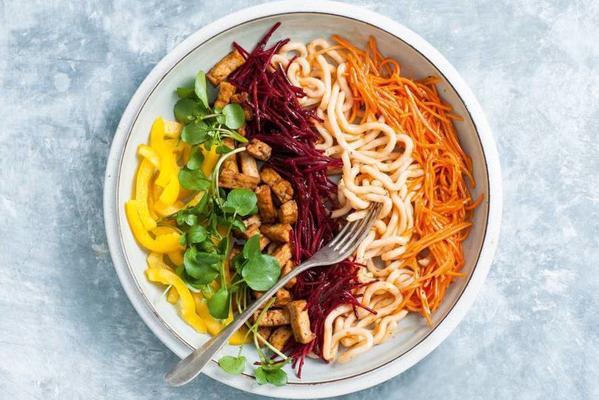 11 minMain dishpeanut oil, tofu stir-fry cubes finely seasoned, stir fry sauce sweet and sour, thick noodles, carrot julienne, beetroot julienne, yellow bell pepper, watercress,rainbow salad with tofu
 -
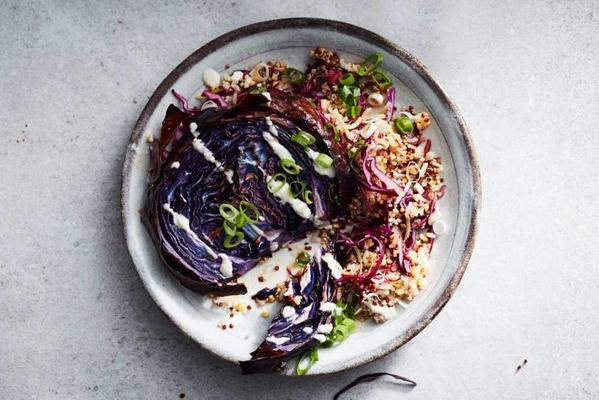 45 minMain dishRed cabbage, mild olive oil, quinoa plus, forest outing, lemon, sesame oil, soy sauce less salt, Bio Today tahini white in pot, tap water,grilled red cabbage with quinoa salad
 -
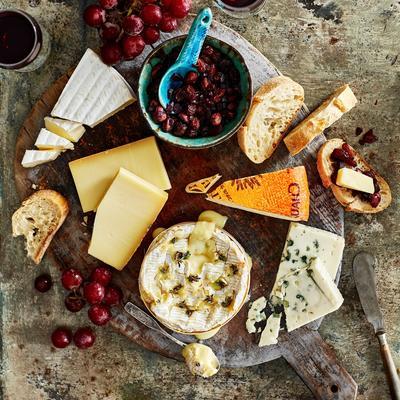 30 minDessertBrie, Roquefort, port salut, gruyere, Camembert, walnut, garlic, thyme, honey, grape, baguette, Red onion, red grape, raisins, Red wine, Red wine vinegar, Brown sugar,generous cheese plate with onion marmalade
 -
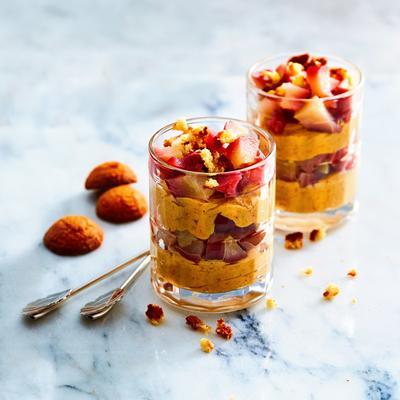 30 minDessertFull Milk, whipped cream, macaroon, custard powder, vanilla sugar, sugar, protein, amaretto, almond liqueur, basic recipe cooking pears,macaroon pastry with casserole
Naming
-
The Latin name of rhubarb is Rheum rhabarbarum. Rheu is the Latin name for carrot and barbarum means 'strange' or better 'from abroad'. These words rheu and barbarum have led to the word rhubarb. In Germany one also speaks of Rhabarber. In England they say rhubarb.
Stool promoting
-
Rhubarb roots are a strong stool promoting agent. Rhubarb stems are also laxative but less strong than the roots. That is why rhubarb can be used against constipation. Anthraquinone is probably the active laxative in rhubarb.
Oxalic acid
-
Rhubarb contains oxalic acid. This is not just a bad substance as most obedient doctors' advice believers shout out; the healing power of oxalic acid is getting better known. Only when you eat 10 kilos of rhubarb do you consume too much oxalic acid. However, people with kidney or bile problems should not eat rhubarb every day.
-
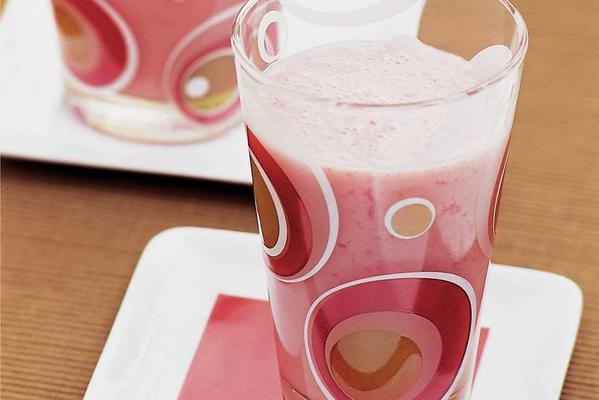 5 minDrink without alcoholbananas, cool fresh apple-pear raspberry juice, Soy drink vanilla,soy fruit shake
 -
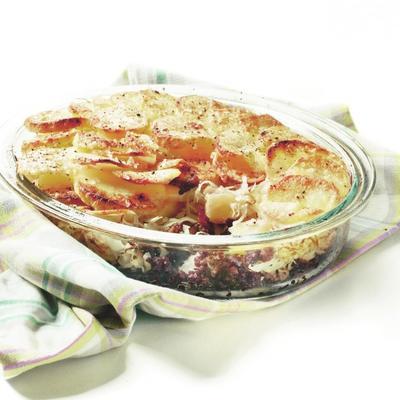 20 minMain dishsauerkraut, sticking potato, liquid baking product, half-to-half minced, Spice meatballs, pineapple, olive oil, liquid baking product,gratin sauerkraut dish with minced meat
 -
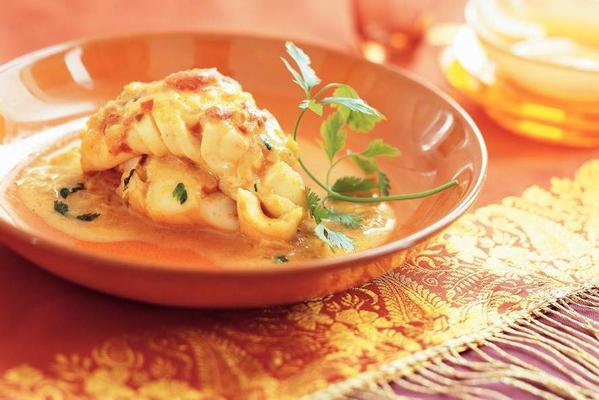 40 minMain dishlemongrass, fresh ginger, Red peppers, onions, tomato cubes, fresh cod fillet, coriander, oil, ground turmeric (koenjit), coconut milk, salt,fish in creamy coconut sauce
 -
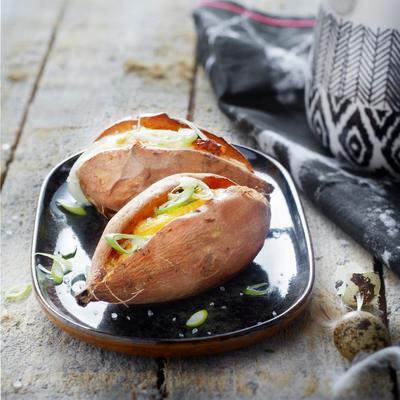 15 minSide dishsweet potato, soft goat cheese, egg, spring / forest onion,stuffed sweet potato with egg
Fun facts about rhubarb
-
Some people put lime in the rhubarb during preparation, but according to others this takes away the good taste.
Vitamins in Rhubarb
-
One ounce of rhubarb contains 24% of the RDA of vitamin K. That is a good amount. Kale contains much more vitamin K, but rhubarb can still be a good supplement. Vitamin K is especially good for Alzheimer's patients; vitamin K can stop the degeneration of the brain. Rhubarb also contains a reasonable amount of vitamin C, namely 13% of the RDI. Other vitamins have lower percentages than 5% in rhubarb, but they are all there. The effect of vitamins, minerals and polyphenols is synergistic; they reinforce each other in their effect. Because all the different vitamins are in rhubarb, it's good to elevate this versatile vegetable to a much-loved meal additive.
Minerals in rhubarb
-
The mineral percentages in this stem vegetable are not spectacular. But it should be noted that almost all minerals are present. We also see the same phenomenon with vitamins. Minerals can also have a mutually reinforcing effect; they support the functioning of the vitamins. The most calcium and magnesium are in rhubarb. Both minerals have the RDA percentage of 9%. Incidentally, the RDA percentages differ per item; this applies to all plant foods. In addition, the phenomenon occurs that every soil in every country and region has a different composition; also because of this, the RDA percentages can vary. In all cases, the AD percentages of organically or biodynamically grown vegetables are higher. This also applies to rhubarb. With an RDA of 6%, potassium is found in rhubarb. Other minerals are all contained, but with percentages less than 5%.
-
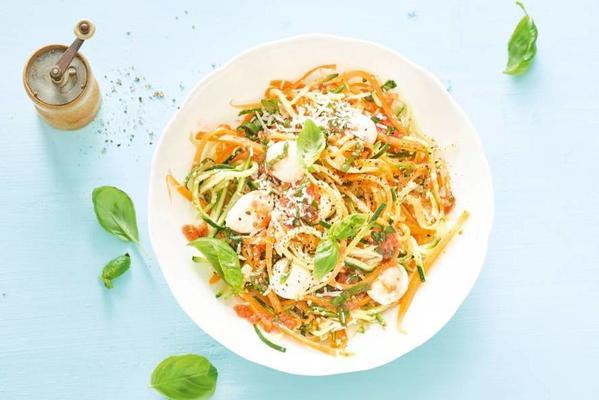 20 minMain dishTasty vine tomato, (olive oil, fresh basil, onion, garlic, Parmigiano Reggiano, zucchini spaghetti, pumpkin spaghetti, mini buffalo mozzarella,lukewarm pumpkin and zucchini spaghetti
 -
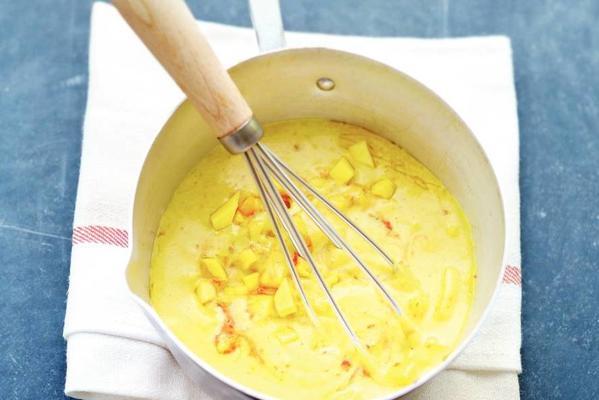 15 minSide dishtraditional olive oil, curry powder, wheat flour, coconut milk, sambal oelek, chicken broth tablet, water, fresh mango,curry sauce with mango
 -
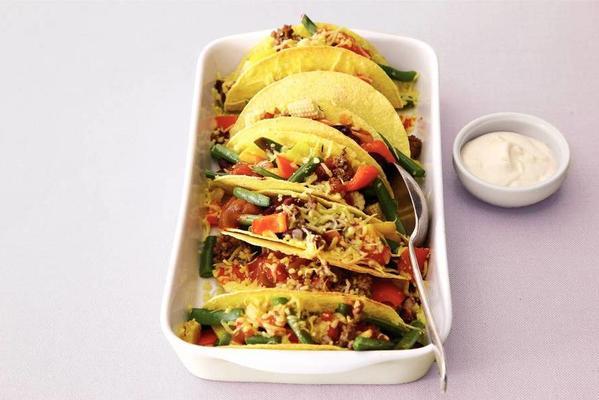 30 minMain dishtraditional olive oil, lean ground beef, frozen Mexican wok vegetables, salsa sauce mild, taco shell, grated young cheese, creme fraiche,Mexican vegetable in tacos
 -
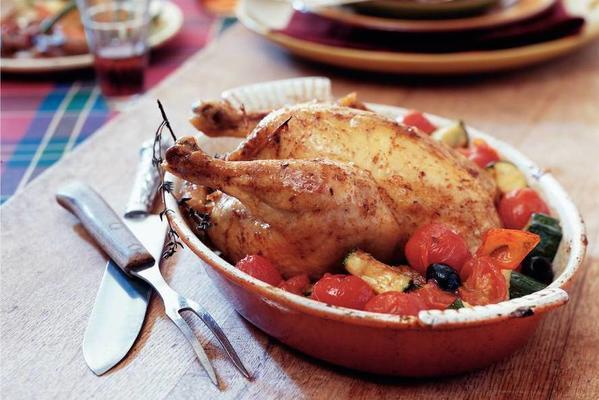 95 minMain dishmaize chicken, lemon, coarse sea salt, pepper, extra virgin olive oil, garlic, thyme, zucchini, tomatoes (small to), black olives without pit,provençal chicken with zucchini and tomatoes
Rhubarb inhibits inflammation
-
In a Chinese scientific study published in the year 2014, it appears that rhubarb has anti-inflammatory substances. Amoe-emodine is the main anti-inflammatory substance. In Chinese traditional medicine, rhubarb has been a natural medicine for many years. The effect of this drug is confirmed in scientific research. The production of macrophages, substances that play an important role in our immune system, is promoted and carcinogenic substances are reduced in number by rhubarb. That is why rhubarb has a preventive effect against cancer, the researchers conclude.
Tips for eating rhubarb
-
You can make a sauce, syrup, jam, sorbet or juice from rhubarb. Rhubarb is delicious in combination with muffins, cakes, strudels and as a topping on pancakes. In Kurdistan rhubarb stems are eaten raw. Only a little salt is sprinkled over it. So if you want to surprise someone with a Kurdish snack, the preparation will be done quickly. In the Netherlands we prefer to eat rhubarb sweet. Rhubarb can be used as a filling in a cake or a traditional Limburg flan.