Turmeric (Curcuma longa)
-
Turmeric (Curcuma longa) with the effective ingredient curcumin is one of the most important medicinal plants. Turmeric has been used successfully in a wide variety of diseases, such as Alzheimer's disease and even cancer. Research results indicate the benefits of turmeric for the preventive treatment of lung, bowel and liver diseases.
What is turmeric
-
Turmeric is a bright yellow spice that gives curry its characteristic color. Traditionally it is also known as Indian saffron or turmeric. Turmeric is considered an important medicine in Chinese and Indian medicine. Turmeric oil has many anti-inflammatory effects.
Ignitions
-
Free radicals can lead to arthritis. Since turmeric has a strong antioxidant effect, it can be used successfully in inflammatory diseases such as arthritis.
-
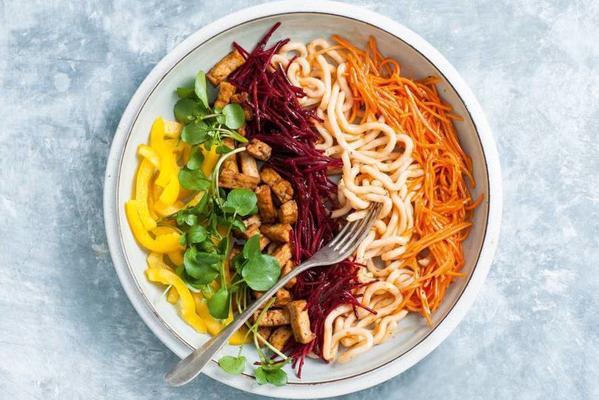 11 minMain dishpeanut oil, tofu stir-fry cubes finely seasoned, stir fry sauce sweet and sour, thick noodles, carrot julienne, beetroot julienne, yellow bell pepper, watercress,rainbow salad with tofu
 -
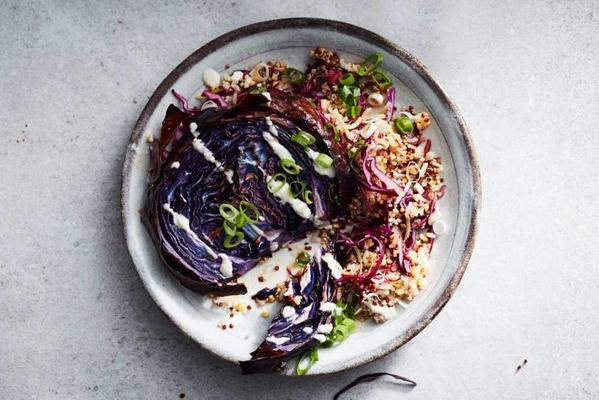 45 minMain dishRed cabbage, mild olive oil, quinoa plus, forest outing, lemon, sesame oil, soy sauce less salt, Bio Today tahini white in pot, tap water,grilled red cabbage with quinoa salad
 -
 30 minDessertBrie, Roquefort, port salut, gruyere, Camembert, walnut, garlic, thyme, honey, grape, baguette, Red onion, red grape, raisins, Red wine, Red wine vinegar, Brown sugar,generous cheese plate with onion marmalade
 -
 30 minDessertFull Milk, whipped cream, macaroon, custard powder, vanilla sugar, sugar, protein, amaretto, almond liqueur, basic recipe cooking pears,macaroon pastry with casserole
Stroke and heart attack
-
Turmeric also prevents the oxidation of cholesterol. Cholesterol is only really dangerous when it is oxidized, as it causes damage to blood vessels and promotes the development of arteriosclerosis. This increases the risk of a heart attack or stroke.
Alzheimer's
-
Curcumin is able to penetrate the blood-brain barrier. There is growing evidence that curcumin may therefore potentially protect against neurodegenerative diseases. Alzheimer's, for example, is caused by a fragmented protein accumulating in brain cells, causing oxidative stress and inflammation. This causes accumulations (plaques) to form between the nerve cells in the brain. This affects brain functions. Curcumin can also prevent or at least slow down oxidation and inflammation here.
Cancer
-
An antioxidant and anti-inflammatory effect is not only useful in the prevention of Alzheimer's, joint problems, inflammation and cardiovascular problems. Epidemiological studies show that this property can also significantly reduce the risk of cancer ..
-
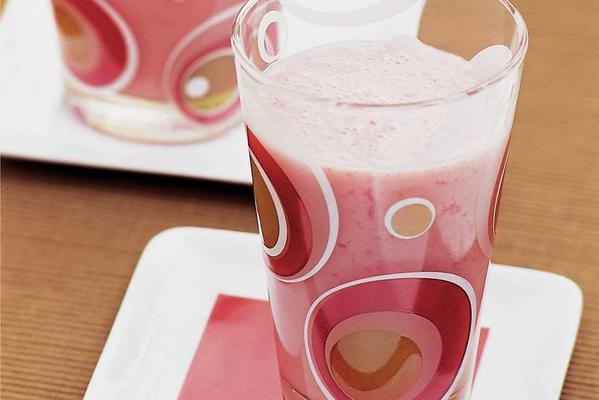 5 minDrink without alcoholbananas, cool fresh apple-pear raspberry juice, Soy drink vanilla,soy fruit shake
 -
 20 minMain dishsauerkraut, sticking potato, liquid baking product, half-to-half minced, Spice meatballs, pineapple, olive oil, liquid baking product,gratin sauerkraut dish with minced meat
 -
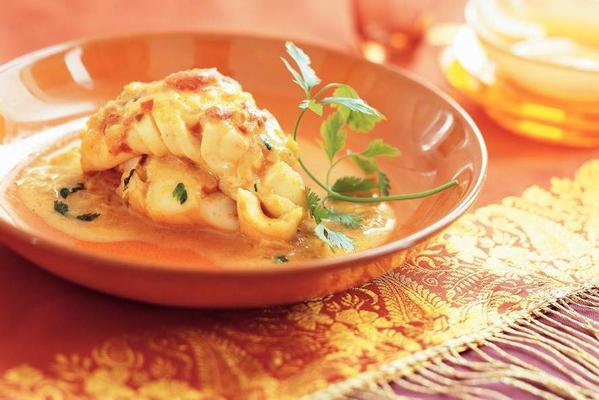 40 minMain dishlemongrass, fresh ginger, Red peppers, onions, tomato cubes, fresh cod fillet, coriander, oil, ground turmeric (koenjit), coconut milk, salt,fish in creamy coconut sauce
 -
 15 minSide dishsweet potato, soft goat cheese, egg, spring / forest onion,stuffed sweet potato with egg
Pulmonary fibrosis
-
Another life-threatening disease that can be positively affected by turmeric is pulmonary fibrosis. Researchers report in 2007 in the Journal of Experimental Medicine and Biology that existing drugs are not effective in treating acute and chronic lung disease. These illnesses are caused by occupational and environmental factors, such as particulate matter, air pollution, cigarette smoke, chemotherapy or radiotherapy.
Respiratory diseases
-
Several studies indicate that curcumin in general has a protective function for many other respiratory diseases, such as chronic obstructive pulmonary disease (COPD) in acute respiratory distress syndrome (ARDS), acute inflammatory lung injury (ALI) and allergic asthma. This effect can also be explained by the strong anti-inflammatory and antioxidant effect of curcumin.
Intestinal disorders
-
Antioxidants - and therefore also the curcumin - naturally not only work in the airways, but also in the intestines and can thus relieve intestinal inflammation.
-
 20 minMain dishTasty vine tomato, (olive oil, fresh basil, onion, garlic, Parmigiano Reggiano, zucchini spaghetti, pumpkin spaghetti, mini buffalo mozzarella,lukewarm pumpkin and zucchini spaghetti
 -
 15 minSide dishtraditional olive oil, curry powder, wheat flour, coconut milk, sambal oelek, chicken broth tablet, water, fresh mango,curry sauce with mango
 -
 30 minMain dishtraditional olive oil, lean ground beef, frozen Mexican wok vegetables, salsa sauce mild, taco shell, grated young cheese, creme fraiche,Mexican vegetable in tacos
 -
 95 minMain dishmaize chicken, lemon, coarse sea salt, pepper, extra virgin olive oil, garlic, thyme, zucchini, tomatoes (small to), black olives without pit,provençal chicken with zucchini and tomatoes
Liver diseases
-
Turmeric is also a medicinal plant that has a particularly beneficial effect on liver health. It protects the liver, promotes regeneration and supports the healing process of diseases.
Mercury detoxification
-
Turmeric promotes liver health in other ways as well. This is because it helps to expel mercury from the body. Not only does this poison seriously burden the liver, it can strain and disrupt the entire organism.
The use of turmeric
-
Turmeric is available almost everywhere as a ground spice. To make sure the turmeric has not been irradiated, use only organic quality turmeric. Although Curry also contains some turmeric, pure turmeric naturally contains more curcumin. Therefore, preferably use pure turmeric. Or, add some pure turmeric to curry-spiced dishes.