Which culinary oils are the healthiest?
-
Anyone looking for a tasty oil to fry in or to use as a dressing can sometimes be shocked by the huge range of oils in the store. From peanut oil to sunflower oil: there is plenty of choice. What are the differences between all those culinary oils?
-
Oils are full of good, unsaturated fats and are fuel for your body. At the moment it is true that unsaturated fats are healthier than saturated fats (Science is slowly but surely discovering health effects in saturated fats). Unsaturated fats have a beneficial effect on the cholesterol level in your blood. They increase the 'good' HDL cholesterol and they lower the 'bad' LDL cholesterol. If you eat unsaturated fats instead of saturated fats, you significantly reduce your risk of cardiovascular disease. It is therefore better to use oils for baking than (cream) butter, which contains saturated fat. Liquid baking and frying fat is also fine. So oils are better than butter, but does it also make a difference which type of oil you choose? You have plenty of choice in the store. One type contains monounsaturated fats, the other type contains many polyunsaturated fats. It does not matter at all which type of unsaturated fats you use to reduce the risk of cardiovascular disease. It is true that one oil contains (much) more unsaturated fats than the other. Exceptions are coconut oil and palm oil, which contain a lot of saturated fat. In the list below you can see the differences between a number of common oils. You will immediately see the unsaturated fat content.
Peanut Oil
-
This oil is extracted from peanuts and therefore tastes a little like peanuts. You can bake in it and fry with it. Peanut oil is also suitable for use in dressings. Polyunsaturated fat content: 31 percent.
-
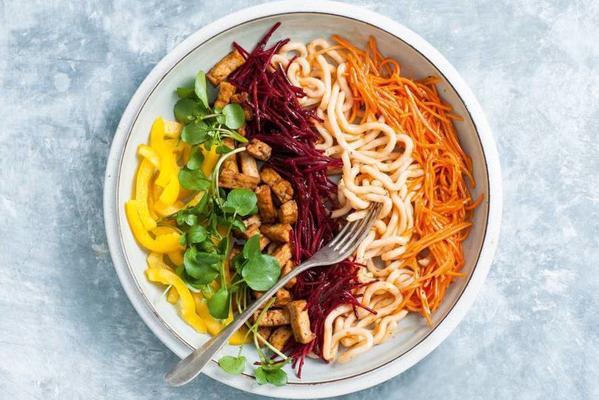 11 minMain dishpeanut oil, tofu stir-fry cubes finely seasoned, stir fry sauce sweet and sour, thick noodles, carrot julienne, beetroot julienne, yellow bell pepper, watercress,rainbow salad with tofu
 -
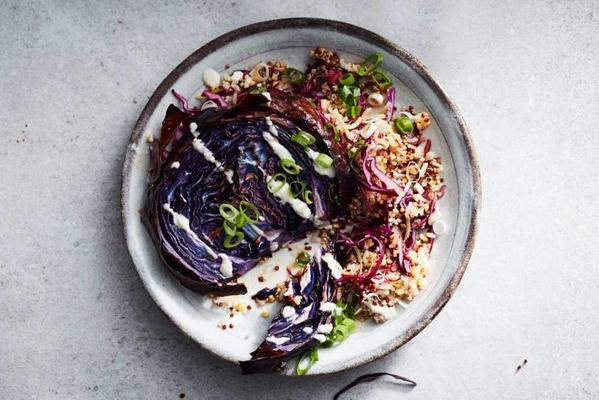 45 minMain dishRed cabbage, mild olive oil, quinoa plus, forest outing, lemon, sesame oil, soy sauce less salt, Bio Today tahini white in pot, tap water,grilled red cabbage with quinoa salad
 -
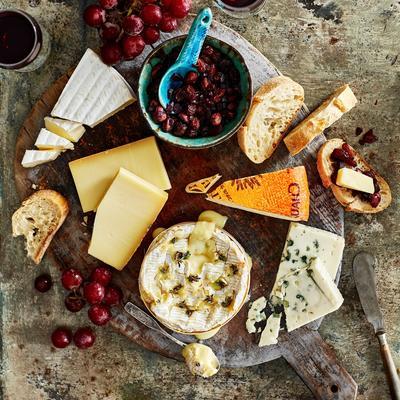 30 minDessertBrie, Roquefort, port salut, gruyere, Camembert, walnut, garlic, thyme, honey, grape, baguette, Red onion, red grape, raisins, Red wine, Red wine vinegar, Brown sugar,generous cheese plate with onion marmalade
 -
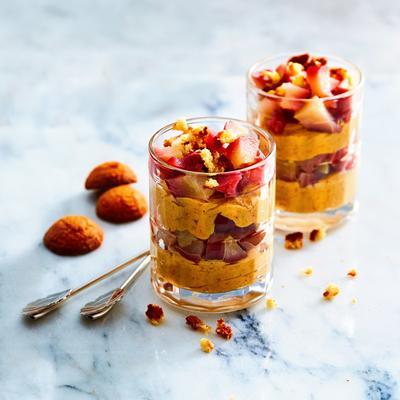 30 minDessertFull Milk, whipped cream, macaroon, custard powder, vanilla sugar, sugar, protein, amaretto, almond liqueur, basic recipe cooking pears,macaroon pastry with casserole
Corn Oil
-
Corn oil comes from the germ of corn kernels. You can also use this oil for frying and deep-frying and as a dressing. Polyunsaturated fat content: 51 percent.
Olive oil
-
Probably olive oil is the best known of the bunch. Olive oil is pressed from the pulp and seeds of the olive. You have different types of olive oil: from traditional to extra virgin. Traditional olive oil can be used for baking and deep-frying. Extra virgin is ideal for dressings or over pasta. Olive oil mainly contains monounsaturated fats. Polyunsaturated fat content: 8 percent.
Sesame Oil
-
You can extract sesame oil from sesame seeds, suitable for baking. You can also use dark sesame oil in your salad. Polyunsaturated fat content: 43 percent.
-
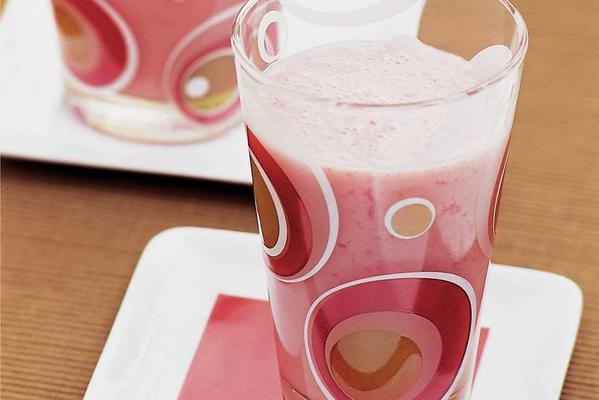 5 minDrink without alcoholbananas, cool fresh apple-pear raspberry juice, Soy drink vanilla,soy fruit shake
 -
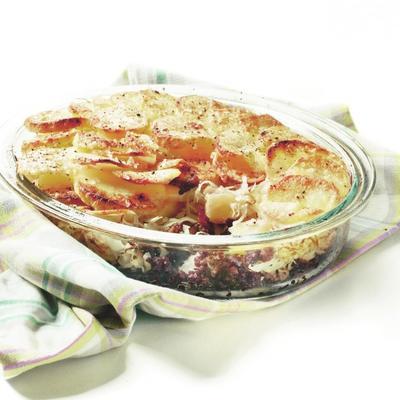 20 minMain dishsauerkraut, sticking potato, liquid baking product, half-to-half minced, Spice meatballs, pineapple, olive oil, liquid baking product,gratin sauerkraut dish with minced meat
 -
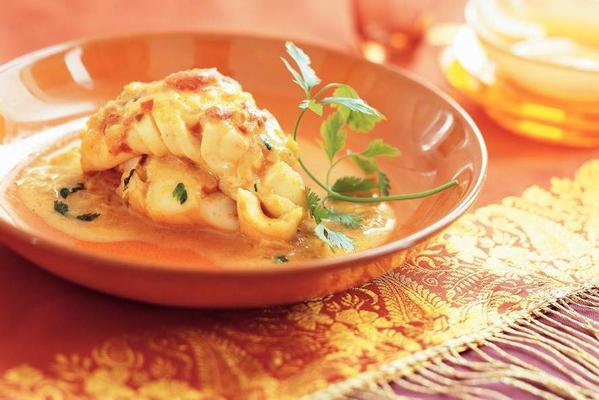 40 minMain dishlemongrass, fresh ginger, Red peppers, onions, tomato cubes, fresh cod fillet, coriander, oil, ground turmeric (koenjit), coconut milk, salt,fish in creamy coconut sauce
 -
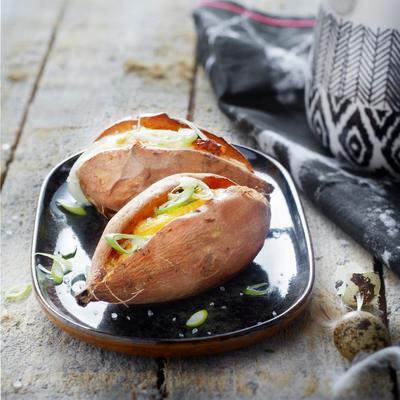 15 minSide dishsweet potato, soft goat cheese, egg, spring / forest onion,stuffed sweet potato with egg
Salad oil
-
Salad oil is a mix of a number of other oils from this list. It is not an isolated oil.
Soybean oil
-
You can also use soybean oil, made from soybeans, for baking and as a dressing. However, you cannot store soybean oil for long (less than 12 weeks). Polyunsaturated fat content: 59 percent.
Walnut oil
-
Walnut oil is pressed from walnuts. This oil is not suitable for baking or deep-frying, but it is suitable for adding to your pasta or salad. Walnut oil also has a shelf life of up to 12 weeks. Polyunsaturated fat content: 70 percent.
-
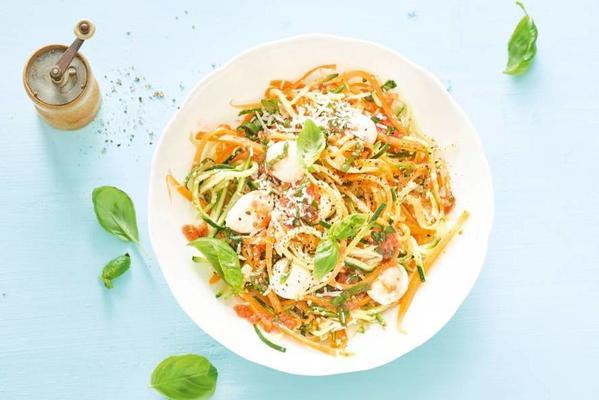 20 minMain dishTasty vine tomato, (olive oil, fresh basil, onion, garlic, Parmigiano Reggiano, zucchini spaghetti, pumpkin spaghetti, mini buffalo mozzarella,lukewarm pumpkin and zucchini spaghetti
 -
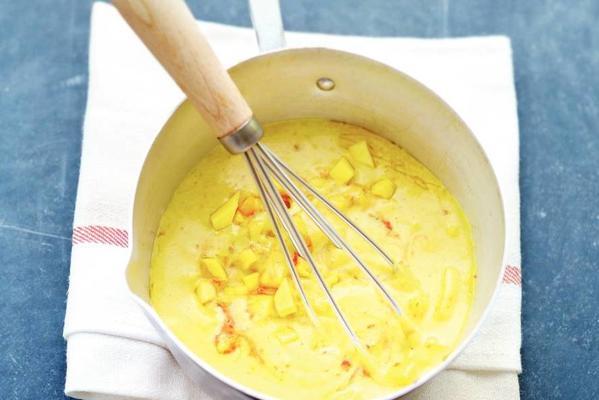 15 minSide dishtraditional olive oil, curry powder, wheat flour, coconut milk, sambal oelek, chicken broth tablet, water, fresh mango,curry sauce with mango
 -
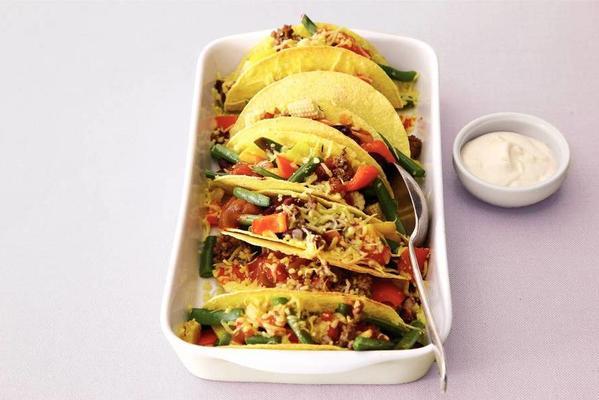 30 minMain dishtraditional olive oil, lean ground beef, frozen Mexican wok vegetables, salsa sauce mild, taco shell, grated young cheese, creme fraiche,Mexican vegetable in tacos
 -
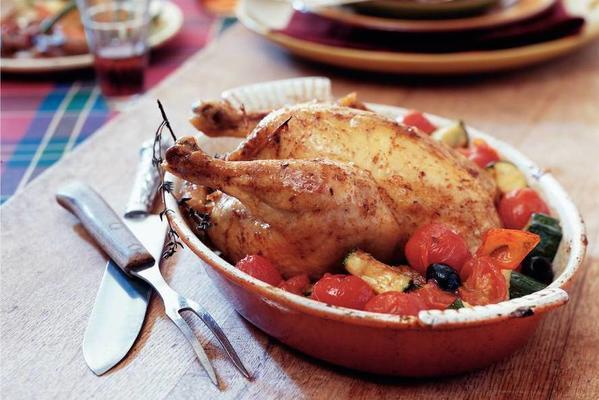 95 minMain dishmaize chicken, lemon, coarse sea salt, pepper, extra virgin olive oil, garlic, thyme, zucchini, tomatoes (small to), black olives without pit,provençal chicken with zucchini and tomatoes
Sunflower oil Sunflower oil is made from sunflower seeds. Sunflower oil can be used for everything: for baking, frying and for dressings. Polyunsaturated fat content: 63 percent. Don't miss anything?
-
]
Don't miss anything anymore?
-
]