Your body changes during pregnancy
-
Even if the baby is growing so well that you don't feel obliged to think about it or do anything about it, its growth affects your entire body and its overall functioning. And then it is useful to know what things are normal and why they happen.
Varicose veins
-
The valves in the veins that ensure that the blood returns to the heart and does not fall back in the direction it came from, can soften during pregnancy and be unable to propel increased amount of blood. It is especially difficult in the legs: straight up and a long way, so avoid postures that can contribute to blood pooling in the legs: do not sit cross-legged or with your thighs against the edge of your seat. Exercises with your feet keep the blood moving. If you are advised to wear elastic stockings, put them on before getting up. Do it while lying down, raising your knees one by one. Sometimes a woman gets a varicose vein in her vagina. The discomforting feeling can then be reduced by placing ice cubes in a clean handkerchief, knotting it and placing it against the painful area. Hemorrhoids are the varicose veins of the rectum and can be caused by constipation. When you go to the bathroom, make sure you use as little pressure as possible when you go to the bathroom and see your doctor.
Constipation
-
You are more likely to have constipation when you are pregnant because some pregnancy hormones relax the bowels making them less active. Correct nutrition is important. Eat plenty of fruits and vegetables and breads that provide fiber, and drink as much water as possible. In the toilet, make sure that your pelvic floor remains as relaxed as possible and that it curves downwards. Take it easy and take a brisk walk every day if possible.
-
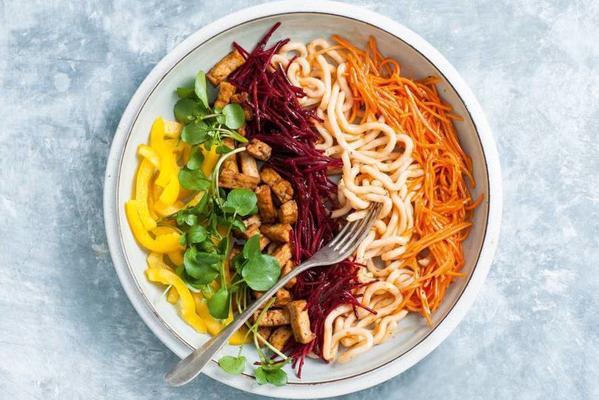 11 minMain dishpeanut oil, tofu stir-fry cubes finely seasoned, stir fry sauce sweet and sour, thick noodles, carrot julienne, beetroot julienne, yellow bell pepper, watercress,rainbow salad with tofu
 -
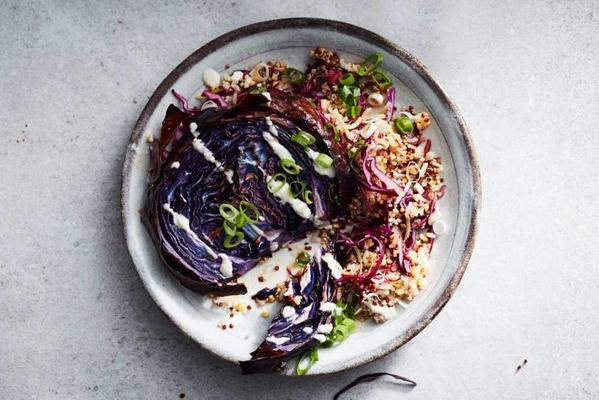 45 minMain dishRed cabbage, mild olive oil, quinoa plus, forest outing, lemon, sesame oil, soy sauce less salt, Bio Today tahini white in pot, tap water,grilled red cabbage with quinoa salad
 -
 30 minDessertBrie, Roquefort, port salut, gruyere, Camembert, walnut, garlic, thyme, honey, grape, baguette, Red onion, red grape, raisins, Red wine, Red wine vinegar, Brown sugar,generous cheese plate with onion marmalade
 -
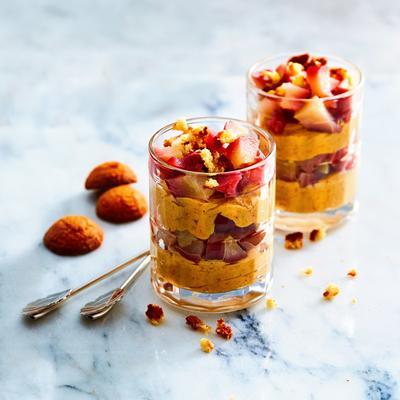 30 minDessertFull Milk, whipped cream, macaroon, custard powder, vanilla sugar, sugar, protein, amaretto, almond liqueur, basic recipe cooking pears,macaroon pastry with casserole
Cystitis
-
Pressure and overfilling of the pelvic blood vessels means that a pregnant woman is more likely to have urinary bladder infection. A prickly, burning sensation when you urinate often indicates that you have a bladder infection. It is important to treat these, for this ailment soon becomes very bothersome. If you suspect you have a bladder infection, see a doctor. He will have your urine tested and after a confirmatory result will prescribe you antibiotics for a week or two. As a general measure, you can make sure to drink plenty of fluids: drink something after each visit to the toilet. Alkaline drinks are preferred. Wear cotton underpants and avoid clothes that are tight at the crotch.
Fungal infection
-
It is normal for your vagina to produce more discharge during your pregnancy, but if your vulva is itchy and your vagina becomes red, painful, and burning, you probably have a yeast infection with candida albicans. The doctor will prescribe medication for you. Your partner will also need to be treated. Provide a diet with wholemeal bread, fruits, vegetables and proteins.
Vomiting
-
In early pregnancy nausea and vomiting are common. There are medicines for this, but more important is the correct way of feeding. Let yourself be pampered in bed in the morning with a toast or a cracker, with or without some jam. Instead, eat a small, easily digestible meal more often a day and do not drink with it, but drink between meals: choose between coffee, tea or milk. Usually it is a morning sickness. Then move the meals to a later time and to just before going to sleep. Avoid anything fat.
-
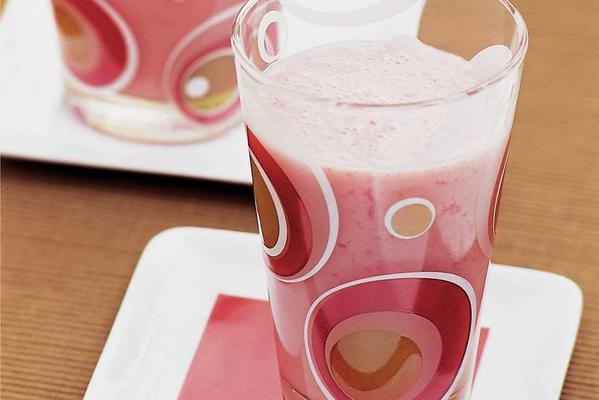 5 minDrink without alcoholbananas, cool fresh apple-pear raspberry juice, Soy drink vanilla,soy fruit shake
 -
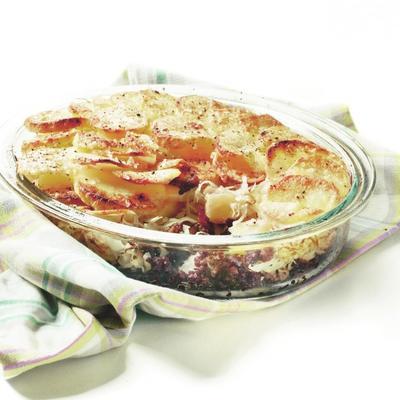 20 minMain dishsauerkraut, sticking potato, liquid baking product, half-to-half minced, Spice meatballs, pineapple, olive oil, liquid baking product,gratin sauerkraut dish with minced meat
 -
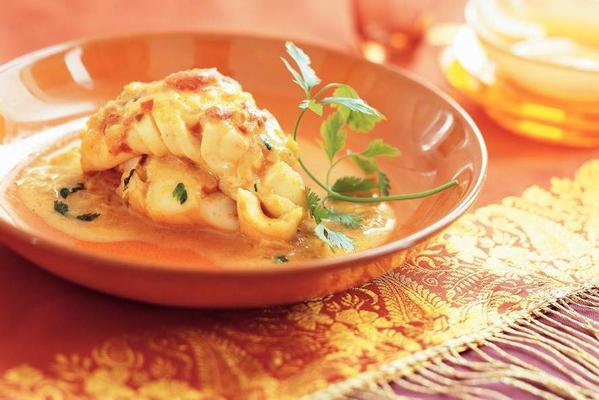 40 minMain dishlemongrass, fresh ginger, Red peppers, onions, tomato cubes, fresh cod fillet, coriander, oil, ground turmeric (koenjit), coconut milk, salt,fish in creamy coconut sauce
 -
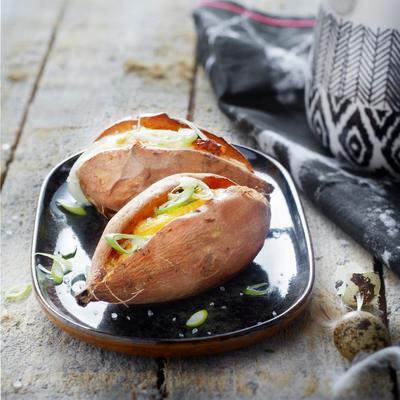 15 minSide dishsweet potato, soft goat cheese, egg, spring / forest onion,stuffed sweet potato with egg
Sore breasts
-
The normal breast tenderness in the first weeks of pregnancy can be really painful for some women: they walk with stiff arms to avoid bumping into them. A good supportive bra is important, even if you never wear a bra. As the breasts increase in size, as is usually the case, their weight can be a nuisance. When your breasts become hypersensitive, you cannot tolerate your partner touching them, but you can reassure them that it will pass after about three months.
Inverted nipples
-
Some women have one or two nipples that are turned in and are like a dimple on the breast. If you are and you can push the nipple out or if it comes out through sexual contact, the baby will find the nipple and pull it further out. If not, it will be more difficult for you to put the baby to the breast and get him to make the effort to drink the breastmilk. But if it succeeds, your baby will suck the nipple forward again. It's a fairytale to assume you need protruding nipples to feed your baby.
Vaginal bleeding
-
At any stage of pregnancy, bleeding from the vagina is alarming. In the beginning of pregnancy it may be that not enough pregnancy hormones have been formed to prevent dripping. You cannot fix this without risking the developing baby, but do take it as a sign that you should be wise enough to get some more rest. In any case, go to bed until the bleeding is over and avoid too much exercise afterwards. If you notice blood later in pregnancy, it could be a sign that labor is imminent. Typically, this blood comes from the cervix and proves that it is getting thinner and slightly stretched. But sometimes there is a polyp in the cervix that starts to bleed. If your baby is expected within a month and the bleeding looks like the start of a period, a slimy discharge with some blood, you may consider it normal and a sign that your body is ready for delivery which will be within a week or two or even. will start sooner.
-
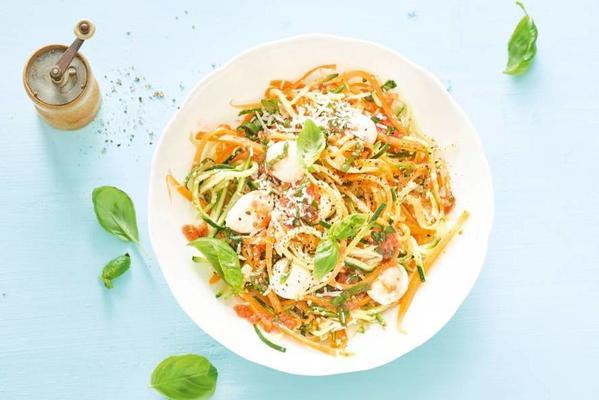 20 minMain dishTasty vine tomato, (olive oil, fresh basil, onion, garlic, Parmigiano Reggiano, zucchini spaghetti, pumpkin spaghetti, mini buffalo mozzarella,lukewarm pumpkin and zucchini spaghetti
 -
 15 minSide dishtraditional olive oil, curry powder, wheat flour, coconut milk, sambal oelek, chicken broth tablet, water, fresh mango,curry sauce with mango
 -
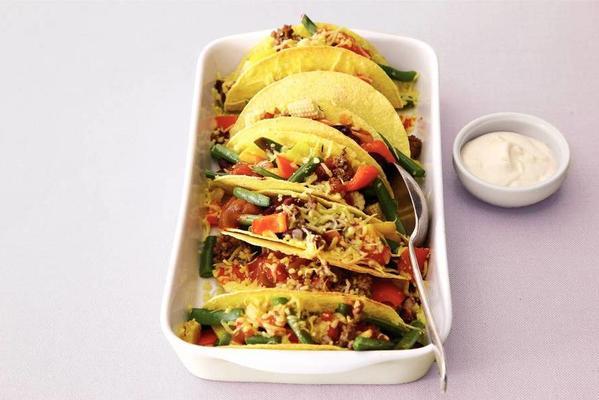 30 minMain dishtraditional olive oil, lean ground beef, frozen Mexican wok vegetables, salsa sauce mild, taco shell, grated young cheese, creme fraiche,Mexican vegetable in tacos
 -
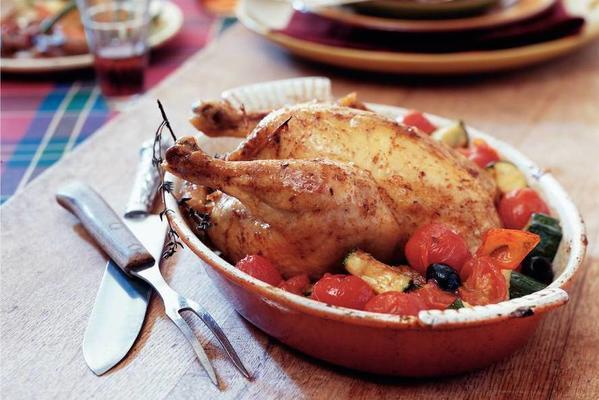 95 minMain dishmaize chicken, lemon, coarse sea salt, pepper, extra virgin olive oil, garlic, thyme, zucchini, tomatoes (small to), black olives without pit,provençal chicken with zucchini and tomatoes