Organic food VS "Normal food"
-
Many contradictions can be found when asking the following question:
-
 € œWhat is better: organic food or non-organic food?  €
-
Organic food comes in many different shapes and sizes. In addition to organic meat (cow, pig, chicken, etc.), more and more other organic products are now coming onto the market.
-
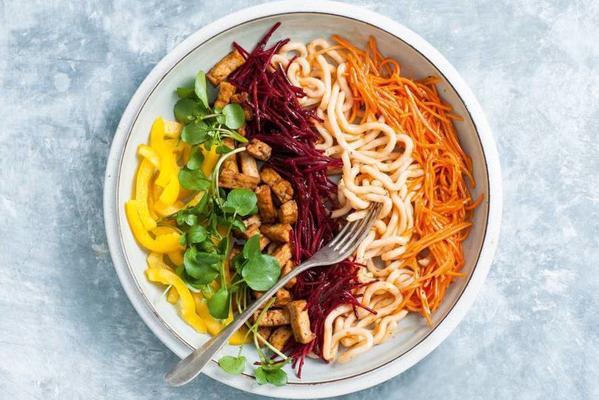 11 minMain dishpeanut oil, tofu stir-fry cubes finely seasoned, stir fry sauce sweet and sour, thick noodles, carrot julienne, beetroot julienne, yellow bell pepper, watercress,rainbow salad with tofu
 -
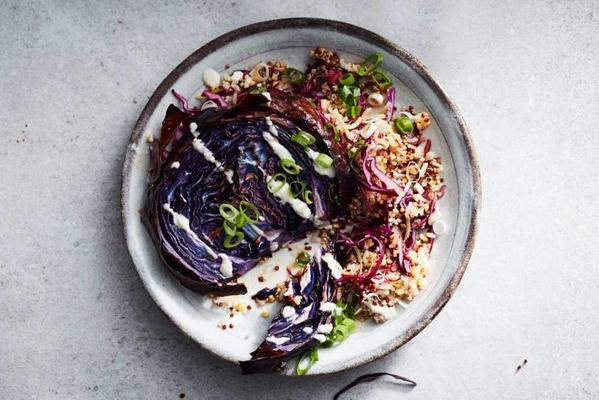 45 minMain dishRed cabbage, mild olive oil, quinoa plus, forest outing, lemon, sesame oil, soy sauce less salt, Bio Today tahini white in pot, tap water,grilled red cabbage with quinoa salad
 -
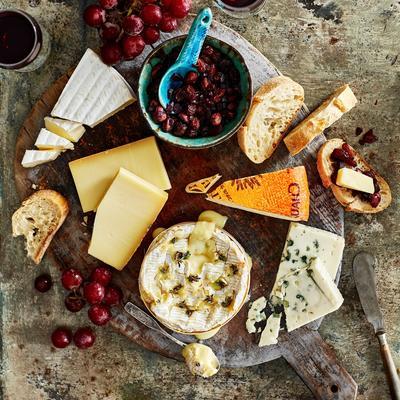 30 minDessertBrie, Roquefort, port salut, gruyere, Camembert, walnut, garlic, thyme, honey, grape, baguette, Red onion, red grape, raisins, Red wine, Red wine vinegar, Brown sugar,generous cheese plate with onion marmalade
 -
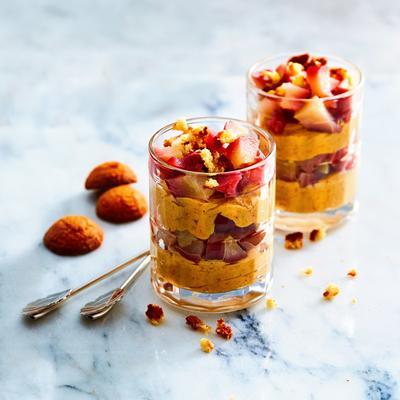 30 minDessertFull Milk, whipped cream, macaroon, custard powder, vanilla sugar, sugar, protein, amaretto, almond liqueur, basic recipe cooking pears,macaroon pastry with casserole
-
Organic products such as:
-
Just in between: If we look at the starting point of the animals (pigs, cow, chicken, etc.) there is of course no doubt that organic products / food are a lot better for you. When I write in the article below “non-organic food is better” this is from the premise for humans.
The pros and cons (organic vs non-organic)
-
I can type quite a bit about the differences between these 2 types of foods, but it is a lot clearer when I give you an overview. Below is an overview of the advantages and disadvantages between organic and non-organic food.
-
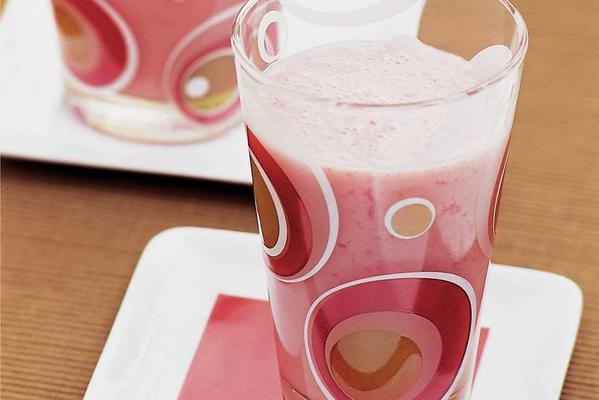 5 minDrink without alcoholbananas, cool fresh apple-pear raspberry juice, Soy drink vanilla,soy fruit shake
 -
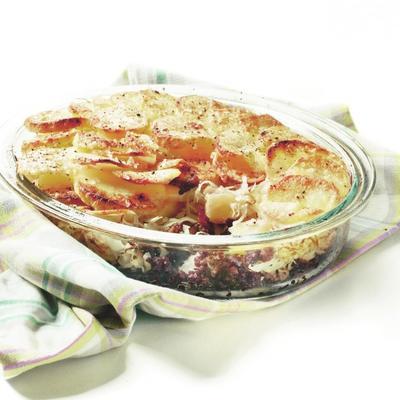 20 minMain dishsauerkraut, sticking potato, liquid baking product, half-to-half minced, Spice meatballs, pineapple, olive oil, liquid baking product,gratin sauerkraut dish with minced meat
 -
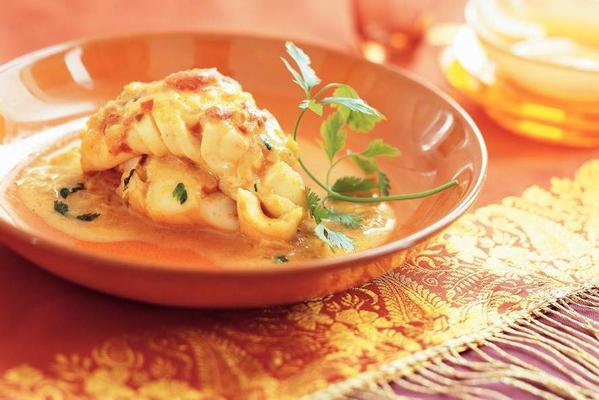 40 minMain dishlemongrass, fresh ginger, Red peppers, onions, tomato cubes, fresh cod fillet, coriander, oil, ground turmeric (koenjit), coconut milk, salt,fish in creamy coconut sauce
 -
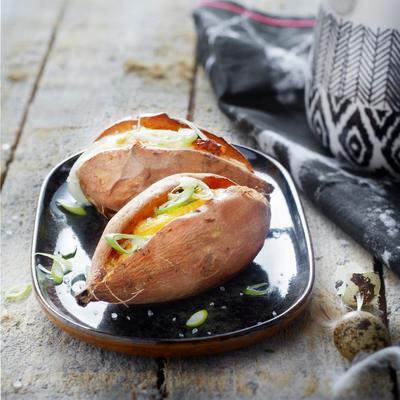 15 minSide dishsweet potato, soft goat cheese, egg, spring / forest onion,stuffed sweet potato with egg
-
It can be clearly seen that the differences are large. Despite the fact that there are more advantages and disadvantages associated with organic products, it appears that 95% of all Dutch people still buy non-organic food /
-
The reason for this: Non-organic products are a lot cheaper. In addition, the range of the organic products is a lot less, due to the costs associated with producing these products.
The price test
-
A while ago, research was conducted into why the majority does not buy organic food, while this is fresher, healthier and better for the animals. The reason is simple: organic food is more expensive. the picture below shows the price difference.
-
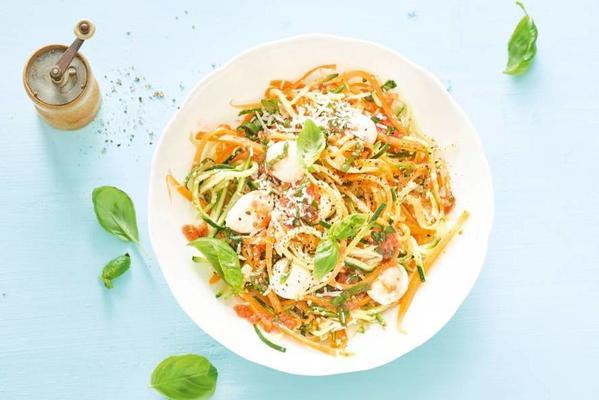 20 minMain dishTasty vine tomato, (olive oil, fresh basil, onion, garlic, Parmigiano Reggiano, zucchini spaghetti, pumpkin spaghetti, mini buffalo mozzarella,lukewarm pumpkin and zucchini spaghetti
 -
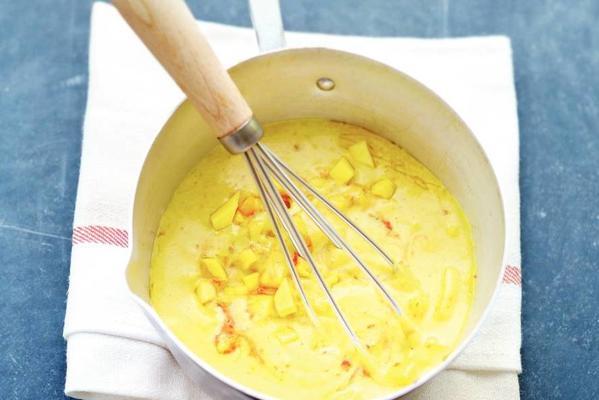 15 minSide dishtraditional olive oil, curry powder, wheat flour, coconut milk, sambal oelek, chicken broth tablet, water, fresh mango,curry sauce with mango
 -
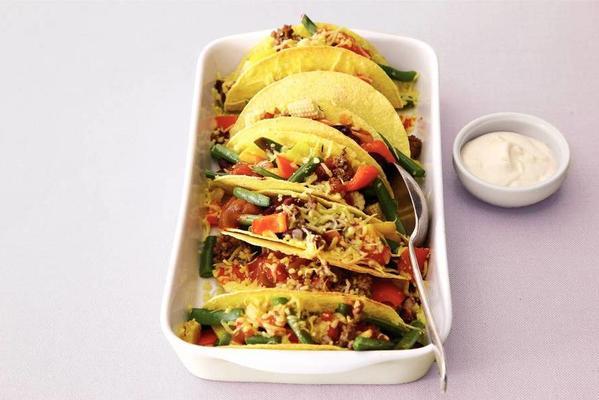 30 minMain dishtraditional olive oil, lean ground beef, frozen Mexican wok vegetables, salsa sauce mild, taco shell, grated young cheese, creme fraiche,Mexican vegetable in tacos
 -
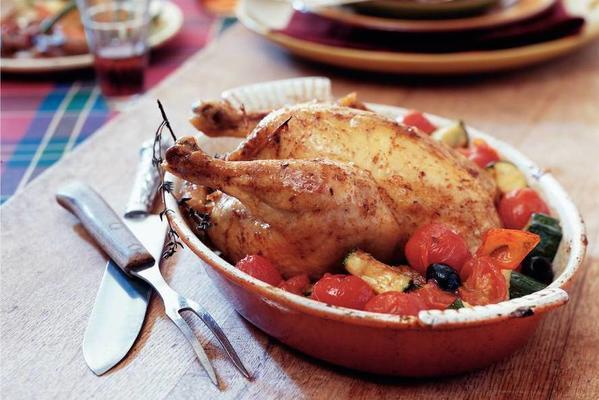 95 minMain dishmaize chicken, lemon, coarse sea salt, pepper, extra virgin olive oil, garlic, thyme, zucchini, tomatoes (small to), black olives without pit,provençal chicken with zucchini and tomatoes
-
When the price between non-organic and organic food is the same, the majority of the Dutch population will switch to organic food. In 2006, Minister Veerman of Agriculture, Nature and Food Quality wanted to find out under what circumstances people are prepared to switch to organic food.
-
They were looking for the limit what the consumer wanted to pay as much as extra to switch to organic food.
-
The survey showed that consumers are willing to pay 15% to 20% more for organic food.
-
When the research started, a lot of the organic products on the shelves became a lot cheaper. Besides the fact that sales have increased, sales have also grown.
-
Because of this, the government has decided to allocate more money for the production of organic food. At the end of the study (2007), the target was “within 3 years the market share of organic food is 10%”, but this was not achieved.
-
[!Pull ratio] At the moment the market share of organic products is 5%. [!/ Pull ratio]
Conclusion
-
It is clear that organic food is healthier than non-organic food. However, there are always pros and cons to come up with. For example, a study has come to light that claims that organic foods interfere with the "weight loss process". There are also people who are allergic to certain organic products.
-
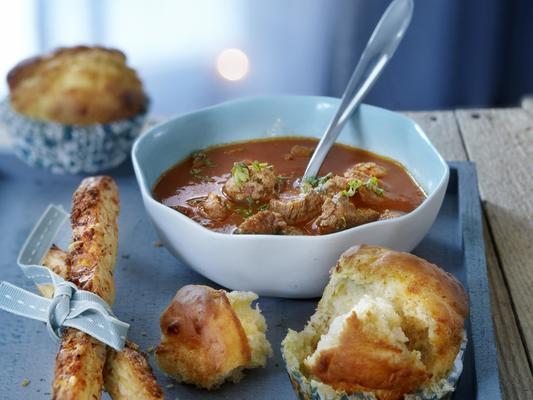 25 minSmall dishflour, frozen puff pastry, egg, milk, walnut, mature cheese, paprika, dried Provençal herbs,puff pastry-sticks
 -
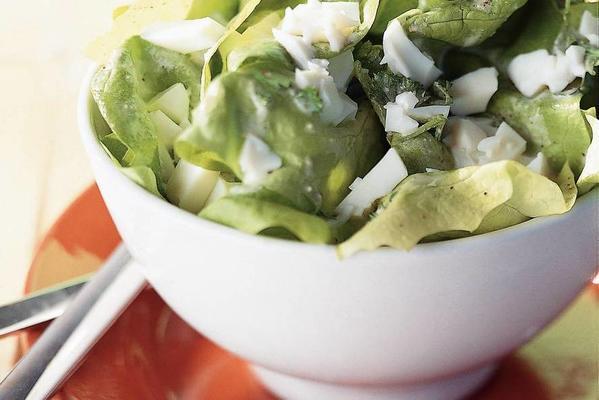 20 minSide dishEggs, lettuce, parsley, olive oil (extra virgin), tarragon vinegar, salt and freshly ground pepper,lettuce with egg dressing
 -
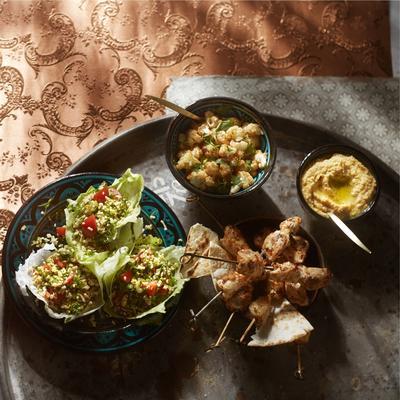 15 minSmall dishbaking flour, peanut oil, flat leaf parsley,ar'nabit mi'li
 -
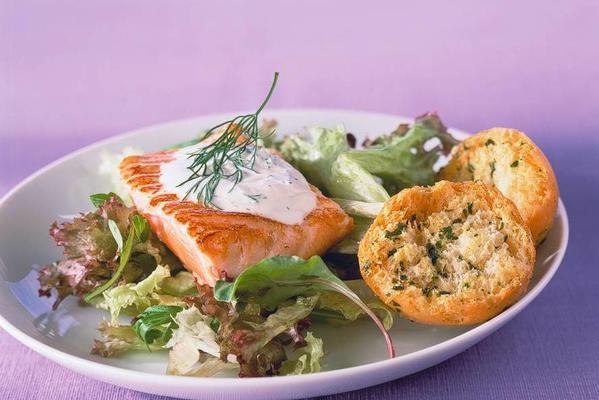 15 minAppetizerScottish salmon fillet, butter or margarine, fresh dill, creme fraiche, dry white wine, arugula lettuce melange, pan tostado,baked salmon with white-wine sauce
-
In general, organic food is healthier, better for the environment and also more animal-friendly. We remain Dutch and that is why the only factor that prevents us from eating organic food is the â € œ walletâ € [!MOWPOP id = "128"]