Pregnancy and nutrition: important for a healthy baby
-
During pregnancy it is more important than ever to eat a healthy and varied diet. It is not about eating more (because you eat for 2) because that is not necessary at all, but about eating the right things. The quality of the food is important during pregnancy, not the quantity!
Balanced diet, even before pregnancy
-
It has been proven that women who already had a healthy lifestyle before pregnancy and who pay attention to their diet are also less at risk of certain nutritional deficiencies during pregnancy. It is therefore important to follow the rules of a healthy diet before pregnancy. The basis of a healthy diet is always the food triangle.
Healthy food during pregnancy
-
On the one hand, the healthy diet ensures the health of the mother during pregnancy and limits the risk of complications, but it also helps her recover after the tiring delivery.
-
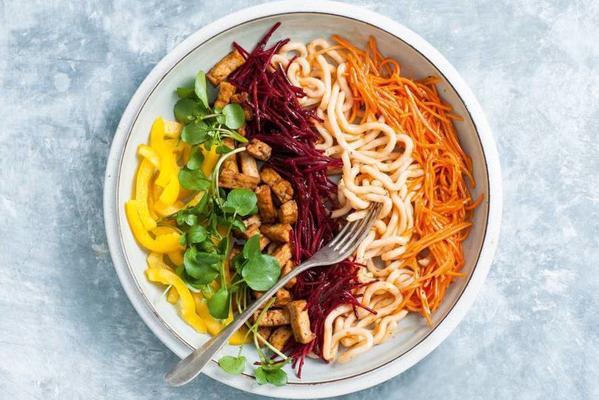 11 minMain dishpeanut oil, tofu stir-fry cubes finely seasoned, stir fry sauce sweet and sour, thick noodles, carrot julienne, beetroot julienne, yellow bell pepper, watercress,rainbow salad with tofu
 -
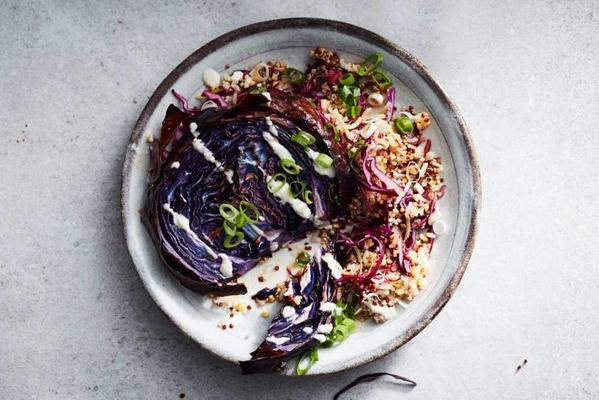 45 minMain dishRed cabbage, mild olive oil, quinoa plus, forest outing, lemon, sesame oil, soy sauce less salt, Bio Today tahini white in pot, tap water,grilled red cabbage with quinoa salad
 -
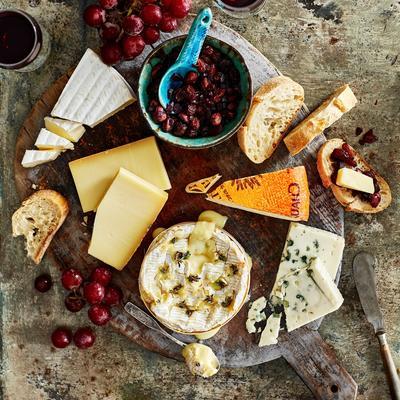 30 minDessertBrie, Roquefort, port salut, gruyere, Camembert, walnut, garlic, thyme, honey, grape, baguette, Red onion, red grape, raisins, Red wine, Red wine vinegar, Brown sugar,generous cheese plate with onion marmalade
 -
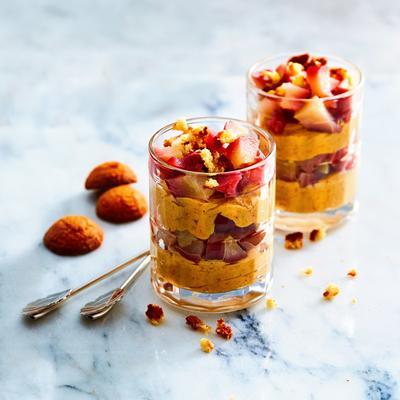 30 minDessertFull Milk, whipped cream, macaroon, custard powder, vanilla sugar, sugar, protein, amaretto, almond liqueur, basic recipe cooking pears,macaroon pastry with casserole
Recommended Daily Amounts
-
During pregnancy, both a healthy diet and a varied diet are important. Relying on the food triangle can ensure that you are getting the right nutrients, as well as adding variety to your meal. Some rules we can set are the following:
Important substances during pregnancy
-
Proteins During pregnancy, and as the pregnancy progresses, there will be a higher need for proteins. These are responsible for the growth and development of the child and at the same time ensure an enlargement of the uterus and the growth of the placenta. Proteins are rich in meat and eggs but also in milk and dairy products and even in legumes, tofu and tempeh. (See also: Tempeh, worthy alternative and tasty ingredient).
Iron
-
Especially during the last months of pregnancy one will need more iron. A shortage of iron can lead to anemia in the mother and an iron deficiency in the child, because in the last months of pregnancy this has to take care of the build-up of iron reserves.
-
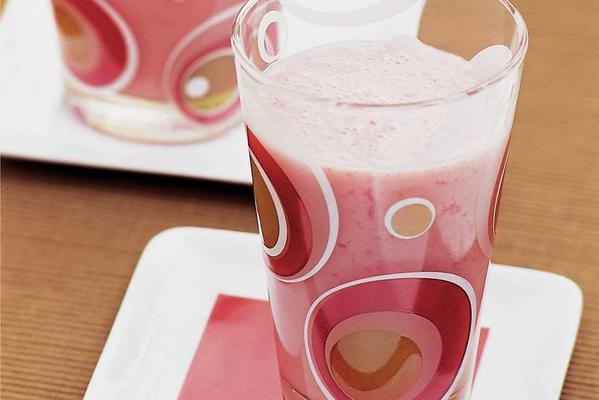 5 minDrink without alcoholbananas, cool fresh apple-pear raspberry juice, Soy drink vanilla,soy fruit shake
 -
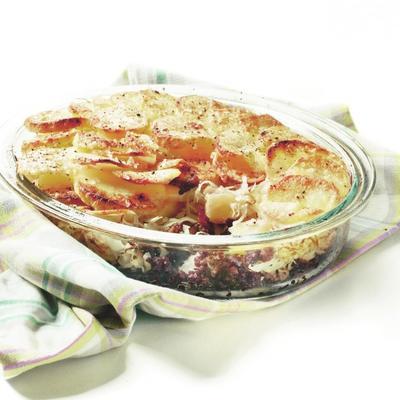 20 minMain dishsauerkraut, sticking potato, liquid baking product, half-to-half minced, Spice meatballs, pineapple, olive oil, liquid baking product,gratin sauerkraut dish with minced meat
 -
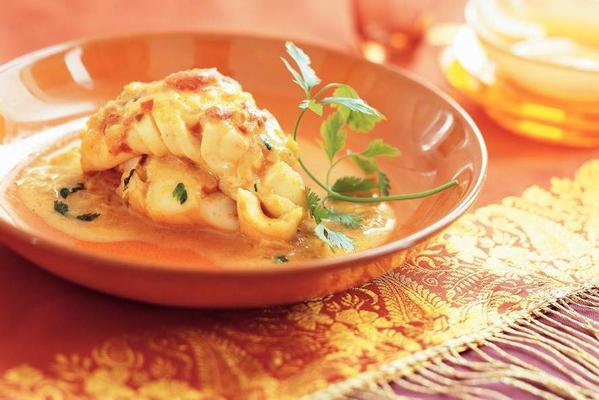 40 minMain dishlemongrass, fresh ginger, Red peppers, onions, tomato cubes, fresh cod fillet, coriander, oil, ground turmeric (koenjit), coconut milk, salt,fish in creamy coconut sauce
 -
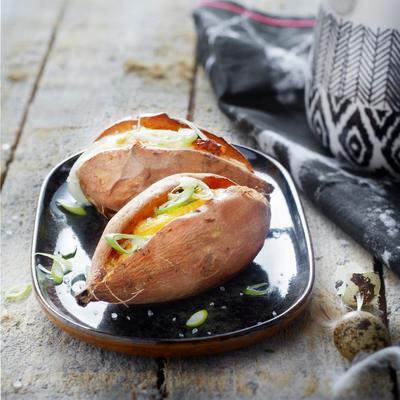 15 minSide dishsweet potato, soft goat cheese, egg, spring / forest onion,stuffed sweet potato with egg
Vitamin A and D
-
Vitamins are generally healthy and even indispensable for the body. However, it is not necessary to take extra vitamins during or before pregnancy because we get enough of these vitamins through our diet or, in the case of vitamin D, from the sun. An extra intake of vitamin A, even just before pregnancy, can be harmful to the fetus. It is therefore not recommended to eat liver and liver products as they contain a very high dose of vitamin A. Vitamin D, on the other hand, is a very important building block during pregnancy. These are also present in our diet in fish oil, fatty fish, eggs and whole milk products. Vitamin D is mainly produced in the skin through the reaction with sunlight. It is therefore not necessary to sunbathe extensively, but sufficient walking in the open air is a good idea.
Folic Acid
-
Many gynecologists prescribe a folic acid supplement if one wants to become pregnant. This is because it has been proven that the intake of folic acid before and during fertilization has a risk-reducing effect on NBD or spina bifida. It is necessary to take a supplement because folic acid is a substance that is broken down by cooking. It is present in leafy vegetables and cabbage, cheese and eggs, and citrus fruits.
Iodine
-
Iodine is often also prescribed extra during pregnancy because we do not get enough iodine from our diet. However, it is recommended to boost the iodine content, eat fish up to 3 times a week and use iodized salt.
-
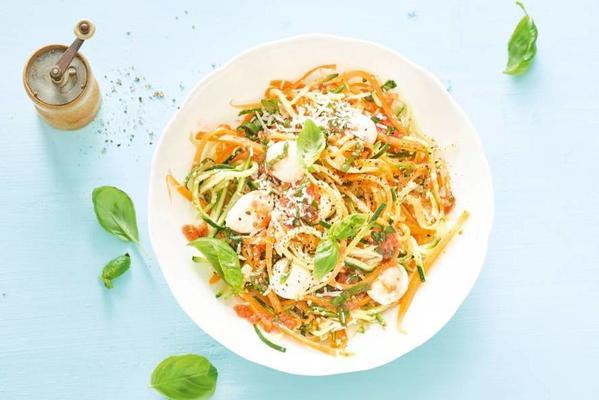 20 minMain dishTasty vine tomato, (olive oil, fresh basil, onion, garlic, Parmigiano Reggiano, zucchini spaghetti, pumpkin spaghetti, mini buffalo mozzarella,lukewarm pumpkin and zucchini spaghetti
 -
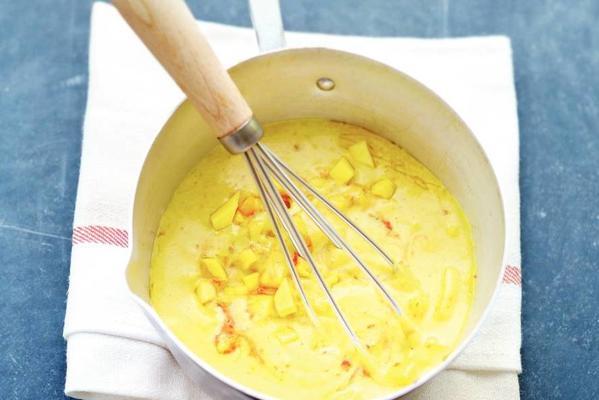 15 minSide dishtraditional olive oil, curry powder, wheat flour, coconut milk, sambal oelek, chicken broth tablet, water, fresh mango,curry sauce with mango
 -
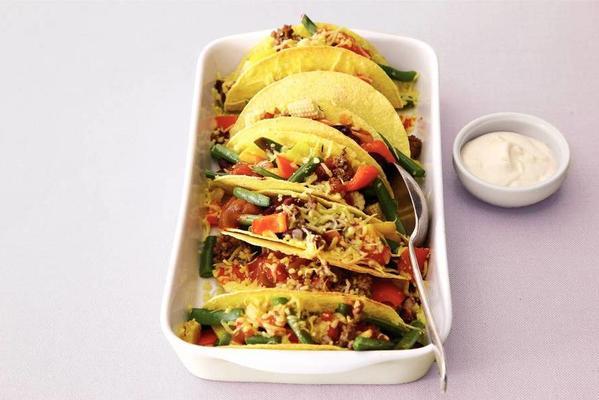 30 minMain dishtraditional olive oil, lean ground beef, frozen Mexican wok vegetables, salsa sauce mild, taco shell, grated young cheese, creme fraiche,Mexican vegetable in tacos
 -
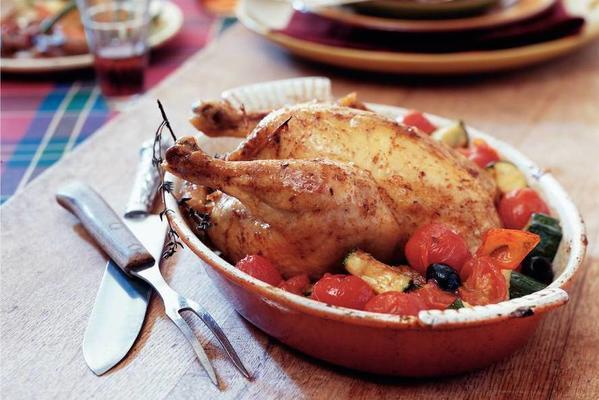 95 minMain dishmaize chicken, lemon, coarse sea salt, pepper, extra virgin olive oil, garlic, thyme, zucchini, tomatoes (small to), black olives without pit,provençal chicken with zucchini and tomatoes
Harmful substances during pregnancy
-
Because the placenta is responsible for the transport of nutrients from mother to child, all substances pass through, including harmful substances. It is therefore important to know which substances to take and especially, which ones not, during pregnancy.
Alcohol
-
If one drinks alcohol, these harmful substances also pass to the child. The fetus that cannot break down the alcohol at that time may experience a growth retardation or a mental retardation. In the first 3 months, alcohol consumption even doubles the risk of miscarriage. For more important information on alcohol use during pregnancy, read "Pregnancy and alcohol use: a bad combination"
Medication
-
The use of drugs during pregnancy is strongly discouraged because these substances also pass to the fetus and can have an undesired effect on it. It is therefore strongly discouraged to continue to use medicines, even if they are harmless painkillers. Medication must always be discussed with the doctor.
Smoking
-
Mothers who smoke a lot during pregnancy have been shown to increase the chances of having a child with a lower birth weight. It has also been shown that smoking causes growth retardation and that it increases the risk of sudden infant death syndrome. Second-hand smoke with the partner, eg the partner who smokes in the same room or in the car, is also harmful to the health of the fetus. As a result, there are several programs that one can follow to overcome smoking addiction as a mother and as a partner, and these are in many cases reimbursed.
Toxoplasmosis
-
Toxoplasmosis, or colloquially referred to as feline disease, is an infectious disease caused by a parasite found in contaminated raw meat and cat feces. During pregnancy, the mother will be tested for toxoplasmosis to determine whether she is immune to it or not. If this is not the case, care must be taken that the meat is always sufficiently heated and that it is always well cooked. Freezing meat kills a number of parasites, but it is not a sufficient measure. Do not eat dishes based on raw eggs, such as bavarois, chocolate mousse, ... Always wash your hands well if you have come into contact with cats and if possible have someone else clean the litter box or at least wear household gloves. Preferably eat cooked vegetables or make sure that raw vegetables have been sufficiently washed.
-
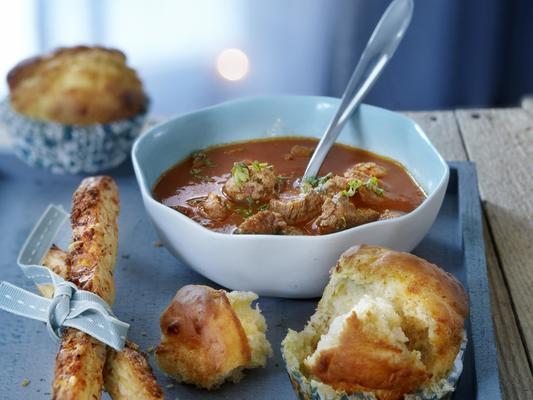 25 minSmall dishflour, frozen puff pastry, egg, milk, walnut, mature cheese, paprika, dried Provençal herbs,puff pastry-sticks
 -
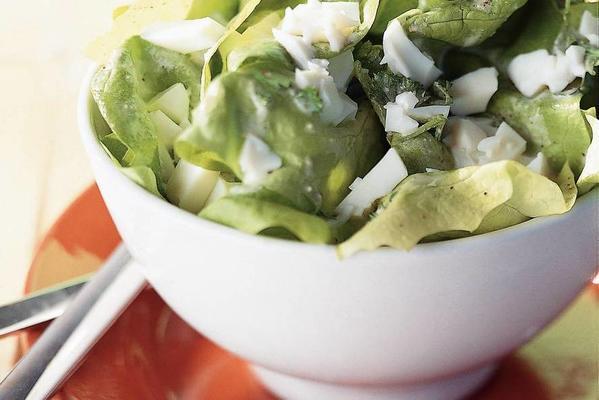 20 minSide dishEggs, lettuce, parsley, olive oil (extra virgin), tarragon vinegar, salt and freshly ground pepper,lettuce with egg dressing
 -
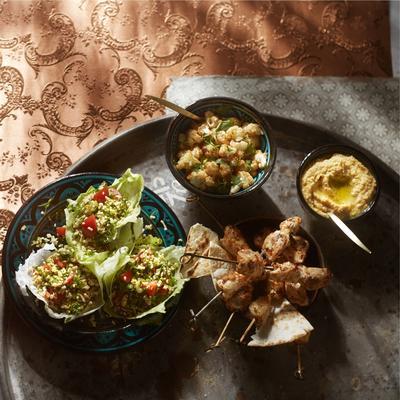 15 minSmall dishbaking flour, peanut oil, flat leaf parsley,ar'nabit mi'li
 -
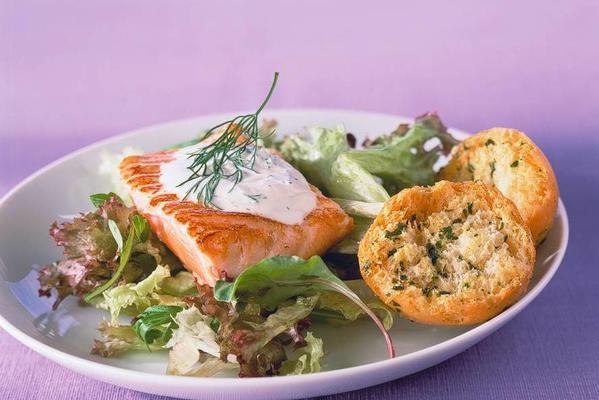 15 minAppetizerScottish salmon fillet, butter or margarine, fresh dill, creme fraiche, dry white wine, arugula lettuce melange, pan tostado,baked salmon with white-wine sauce