The healing power of sage
-
Sage is a delicious herb that has a very full flavor and fits well in a spice mix. Those who taste well can discover a kind of meat-like flavor in sage, and it is perhaps no coincidence that it has been used traditionally to keep meat supple. When you eat it, your body and mind will remain supple because it fights gastrointestinal spasms, increases resistance, reduces depression, counteracts inflammation and aids digestion. Sage is a great perennial and certainly belongs in the herb garden. In the past, having sage in the garden was a sign of prosperity; now it could be a sign of wisdom as sage has a high number of medicinal uses and tastes nice and fresh.
Contents:
-
Naming sage Sage in the ancients Sage in the Middle Ages Sage in Europe and North America Active substances sage Sage for excessive sweating Sage against inflammation and infections Sage to aid digestion Sage for menstrual problems Sage as a natural bio-identical hormone External application sage Eating tips sage Consult a herbalist
Naming sage
-
The botanical name of sage is Salvia Officinalis. Salvia comes from 'salvare' which means cure. Officinalis means 'from the pharmacy's workshop'. This addition was given to all herbs that have regularly served as a basis for medicine. In Dutch, sage has various folk names such as: True sage, Blue sage, Kitchen sage, Garden sage, French tea, Holy tea, Selft, Selve, Salgie, Saaldje, Savia, Savie, Eel herb, Zelve, Selvee, Holy herb, Holy tea, Donkey ears .
-
 11 minMain dishpeanut oil, tofu stir-fry cubes finely seasoned, stir fry sauce sweet and sour, thick noodles, carrot julienne, beetroot julienne, yellow bell pepper, watercress,rainbow salad with tofu
 -
 45 minMain dishRed cabbage, mild olive oil, quinoa plus, forest outing, lemon, sesame oil, soy sauce less salt, Bio Today tahini white in pot, tap water,grilled red cabbage with quinoa salad
 -
 30 minDessertBrie, Roquefort, port salut, gruyere, Camembert, walnut, garlic, thyme, honey, grape, baguette, Red onion, red grape, raisins, Red wine, Red wine vinegar, Brown sugar,generous cheese plate with onion marmalade
 -
 30 minDessertFull Milk, whipped cream, macaroon, custard powder, vanilla sugar, sugar, protein, amaretto, almond liqueur, basic recipe cooking pears,macaroon pastry with casserole
Sage in the ancients
-
In ancient Egypt, sage was used to increase the fertility of women. In addition, menstrual problems were combated with it. The ancient Greeks and ancient Romans used sage as a universal panacea or panacea. It has a large number of medicinal effects. Women who had difficulty conceiving were prescribed sage. Sage was also used for snake bites, forgetfulness and as a life-extending medicine. Dioscorides, pioneer of medicine and herbalism, recognized that sage had antiseptic, menstrual promoting and wound healing properties. He prescribed it for a sore throat, ulcers, mouth ulcers, cough, fever, consumption, ulcers and to give gray hair a black color again. Pliny recommended that people who had to make a long hike to put sage and mugwort in the shoe. Sage is known as an herb that keeps meat tender; apparently their own feet can also be softened with it. Galen and Pliny used sage for sore throats, bronchitis, worms, liver disease, and forgetfulness. Recent scientific studies show that sage can curb the symptoms of early-onset Alzheimer's; there is indeed an effect of this tasteful medicinal herb against forgetfulness. All the mentioned workings on the ancients are still in effect today.
Sage in the Middle Ages
-
The Salerno School was famous in the Middle Ages for its advanced medical knowledge which was a mixture of Arab, Jewish, Greek and Roman medical science. This medical school in Italy occupies an important place in the history of modern medicine. Salerno was called the city of Hippocrates in the 10th century, after the important Greek physician. In Salerno, a special healing power was assigned to sage. "Why should a person die if he has sage in his garden?" Is an important saying from Salerno about sage. Another saying from the Middle Ages says: "Whoever eats sage in the month of May gets years of life galore." Sage was used in the Middle Ages as a medicine for coughs, colds, asthma, insect bites, nervous weakness, forgetfulness, dental problems, gum bleeding, no menstruation, infertility, digestive problems and flatulence. In addition, according to Rembert Dodoens, the pioneering herbal scientist from the 16th century, it sharpens the senses.
Sage in Europe and North America
-
Sage has not only been used in Europe for a long time; the Indians of North America also knew this herb. They mainly used the root to make an ointment against skin problems. In addition, sage was burned because it chases evil entities from another dimension. In Europe, sage was used to repel insects and bad smells. That is basically the same as what the Indians meant. Furthermore, sage is of course a tasty kitchen herb that also stimulates digestion.
-
 5 minDrink without alcoholbananas, cool fresh apple-pear raspberry juice, Soy drink vanilla,soy fruit shake
 -
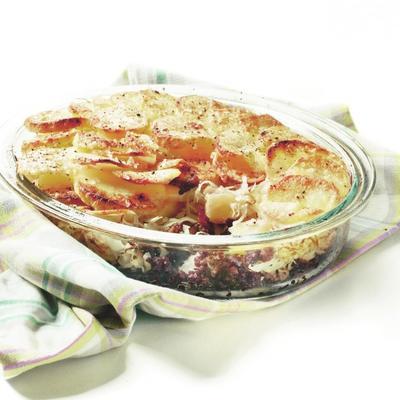 20 minMain dishsauerkraut, sticking potato, liquid baking product, half-to-half minced, Spice meatballs, pineapple, olive oil, liquid baking product,gratin sauerkraut dish with minced meat
 -
 40 minMain dishlemongrass, fresh ginger, Red peppers, onions, tomato cubes, fresh cod fillet, coriander, oil, ground turmeric (koenjit), coconut milk, salt,fish in creamy coconut sauce
 -
 15 minSide dishsweet potato, soft goat cheese, egg, spring / forest onion,stuffed sweet potato with egg
Active ingredients sage
-
Of sage especially the leaves and sometimes the flowers are used as a medicine in phytotherapy. It contains 15 kinds of essential oils. It also contains a lot of diterpene bitter substances. It also contains triterpenes, the phenolic acid rosmarinic acid and flavonoids. It contains weak phytoestrogens, a type of bio-identical hormones. It also contains tannins, resin, saponins and choline.
Sage for excessive sweating
-
Sage is a sweat-reducing agent. Rosmarinic acid, ketones and thuyon have a calming effect on the heat-regulating center of the body, so that people need less sweat production to cool down. Due to this medicinal property, it is used by phytotherapists in the following indications:
Sage against inflammation and infections
-
Sage has an astringent and anti-inflammatory effect. Ketones and tannins in sage have a restorative effect on inflammation on mucous membranes in the mouth, nose, throat and intestines. In addition, sage is antiseptic; it inhibits infections by bacteria, viruses and to a lesser extent fungi. Oxides in sage provide an expectorant capacity. Due to these medicinal properties, a phytotherapist can decide to use sage for the following indications:
-
 20 minMain dishTasty vine tomato, (olive oil, fresh basil, onion, garlic, Parmigiano Reggiano, zucchini spaghetti, pumpkin spaghetti, mini buffalo mozzarella,lukewarm pumpkin and zucchini spaghetti
 -
 15 minSide dishtraditional olive oil, curry powder, wheat flour, coconut milk, sambal oelek, chicken broth tablet, water, fresh mango,curry sauce with mango
 -
 30 minMain dishtraditional olive oil, lean ground beef, frozen Mexican wok vegetables, salsa sauce mild, taco shell, grated young cheese, creme fraiche,Mexican vegetable in tacos
 -
 95 minMain dishmaize chicken, lemon, coarse sea salt, pepper, extra virgin olive oil, garlic, thyme, zucchini, tomatoes (small to), black olives without pit,provençal chicken with zucchini and tomatoes
Sage to aid digestion
-
Sage is a stomach strengthening herb. It aids digestion, has a bile-forming effect due to the bitter substances it contains, is a carminative agent and prevents cramps in the stomach and intestines. The sphincter of Oddi is a sphincter muscle that regulates the supply of pancreatic juices, liver juices and bile juices. These liquids ensure good digestion. Sage can relieve cramps in the sphincter of Oddi so that digestion can take place properly. Camphor, bornyl acetate and thuyon are responsible for the anti-spasmodic effect. These medicinal properties are the main reasons that phytotherapists prescribe sage for:
Sage with menstrual problems
-
The antispasmodic action of sage can be used for menstrual problems except for stomach and intestines. As a result, sage is said to be a menstrual promoting herb. In addition, the uterus is stimulated in its labor during pregnancy. This allows the phytotherapist to decide to use sage for:
-
 25 minSmall dishflour, frozen puff pastry, egg, milk, walnut, mature cheese, paprika, dried Provençal herbs,puff pastry-sticks
 -
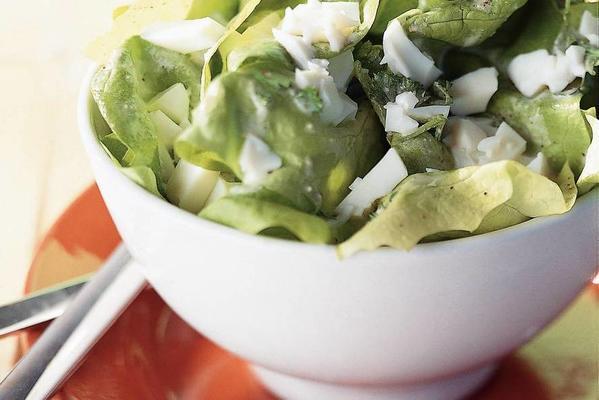 20 minSide dishEggs, lettuce, parsley, olive oil (extra virgin), tarragon vinegar, salt and freshly ground pepper,lettuce with egg dressing
 -
 15 minSmall dishbaking flour, peanut oil, flat leaf parsley,ar'nabit mi'li
 -
 15 minAppetizerScottish salmon fillet, butter or margarine, fresh dill, creme fraiche, dry white wine, arugula lettuce melange, pan tostado,baked salmon with white-wine sauce
Sage as a natural bio-identical hormone
-
Phytoestrogens regulate the woman's hormonal balance. Sage can neutralize an excess of phytoestrogens and replenish a deficiency of these hormones. In addition, it is an aphrodisiac that is especially suitable for women. These medicinal effects are the reason for a phytotherapist to prescribe it at:
External application sage
-
The antiseptic, antiviral, antibacterial and antifungal activities of sage, mainly due to essential oils containing ketones, can be used to treat a variety of external conditions. The sebum secretion is inhibited so that there is less chance of acne and other rashes. Because sage smells good and kills bacteria, it is good for fresh breath. Below are some external applications, arranged by processing type:
Mouthwash, mouthwash, gargle, lozenges:
-
Oral mucosal inflammation, canker sores, mouth ulcers, Gum disease, bleeding gums, loose teeth, Sore throat, tonsillitis, inflammation of the larynx, hoarseness. Rinses, sitz bath: White tide, Vaginal inflammation. Covers: Small wounds, poorly healing wounds, ulcers, Insect bites, Oily skin, eczema, acne.
Eating tips sage
-
Sage can be added to the cooking water of potatoes or vegetables. Sage has a strong taste, so don't use too much. It is a good herb to mix with other herbs. Sage in a tomato sauce or over tomato slices in a salad neutralizes the sour taste of tomato. You can shred sage and add it to the batter of cookies to give them an extra flavor dimension. You can make a dressing by infusing sage in vinegar or oil; that gives a spicy taste effect.
Consult a herbalist
-
Anyone who wants to use sage as a medicinal product is recommended to consult a herbalist. Sage extracts and medicines in the form of mother tinctures, powders, nebulisate, liquid extract, ointment, cream and capsules should only be used on prescription by authorized persons. A herbalist can tell you more about this as well as about any side effects and interactions with other medicines or herbs. There are also beneficial combinations with herbs. All medicinal effects of this medicinal herb mentioned in this article are based on scientific research and come from Geert Verhelst's Large Handbook of Medicinal Plants, a standard work in the field of healing plants. The book is used in phytotherapy.