Tips to eat less salt
-
Eating salt has always been a very controversial topic. One says that salt is not bad at all, the other says that salt is bad for your body. In fact, they are both right. Salt does have benefits for the body. In fact, we cannot live without it. But as with everything in life, in moderation. The fact is that we eat way too much salt on average. This is often not conscious, because only a relatively small part comes from the salt jar on the table. The vast majority of the rest comes from industrial products where salt is used as a flavor enhancer and preservative.
We eat way too much salt!
-
On average, you consume about 10 to 12 grams of salt per day. That's twice the amount your body really needs. This salt can be traced back as follows:
-
On average you will consume about 10 to 12 grams of salt per day. That's twice the amount your body really needs. This salt can be traced back as follows:
-
As mentioned earlier, salt is a much needed mineral that your body cannot live without. Salt is vital for transmitting nerve impulses. Without salt in your body, no nerve impulses can be passed on, in other words: Even if your brain tells you to lift your arm, without the stimulus to pass on this message, that will ultimately not work. However much you want this. Salt also plays an important role in maintaining your fluid balance in the body and also in regulating blood pressure. Here we immediately have a disadvantage of the salt, at least of too much salt: This will lead to too high blood pressure.
-
As mentioned before, salt is a much needed mineral that your body cannot live without. Salt is vital for transferring nerve impulses. Without salt in your body, no nerve impulses can be passed on, in other words: Even if your brain tells you to lift your arm, without the stimulus to pass on this message, that will ultimately not work. However much you want this. Salt also plays an important role in maintaining your fluid balance in the body and also in regulating blood pressure. Here we immediately have a disadvantage of the salt, at least of too much salt: This will lead to too high blood pressure.
-
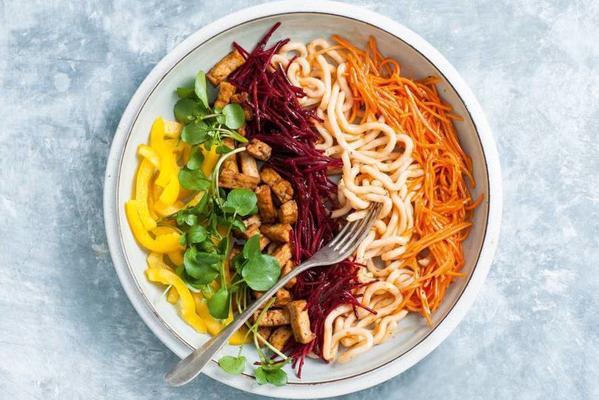 11 minMain dishpeanut oil, tofu stir-fry cubes finely seasoned, stir fry sauce sweet and sour, thick noodles, carrot julienne, beetroot julienne, yellow bell pepper, watercress,rainbow salad with tofu
 -
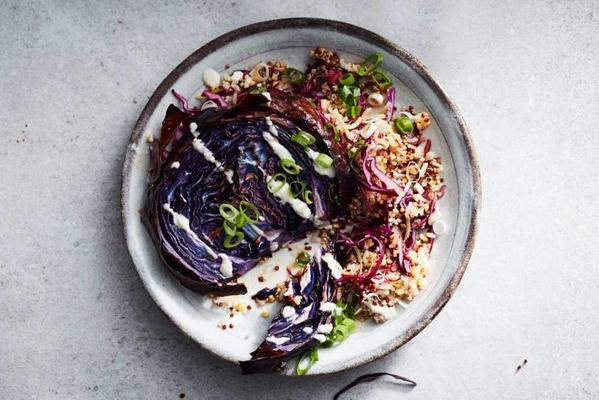 45 minMain dishRed cabbage, mild olive oil, quinoa plus, forest outing, lemon, sesame oil, soy sauce less salt, Bio Today tahini white in pot, tap water,grilled red cabbage with quinoa salad
 -
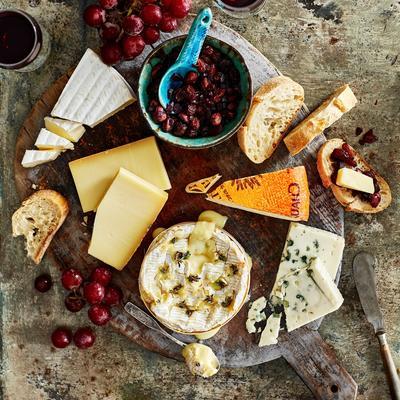 30 minDessertBrie, Roquefort, port salut, gruyere, Camembert, walnut, garlic, thyme, honey, grape, baguette, Red onion, red grape, raisins, Red wine, Red wine vinegar, Brown sugar,generous cheese plate with onion marmalade
 -
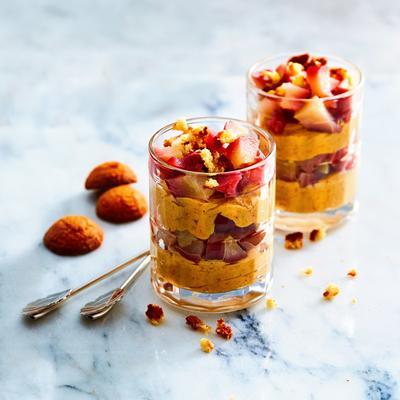 30 minDessertFull Milk, whipped cream, macaroon, custard powder, vanilla sugar, sugar, protein, amaretto, almond liqueur, basic recipe cooking pears,macaroon pastry with casserole
-
I have just remarked that the highest salt intake is due to the industrial products that we all eat every day. Manufacturers add a relatively large amount of salt to improve the taste. Of course there are also other substances available to improve the taste, but these are many times more expensive. Salt is a cheap substitute for the real taste. In my opinion a very bad thing, but that's just the way it works. The most notorious products that contain a lot of salt are savory snacks, chips, smoked fish, soups (ready-made and dried), sauces, spice mixes and of course the ready-made meals. These additions all have to do with taste. But salt is also added to cheese and meat products, for example, to make them sustainable.
-
I have just subtly noted that the largest salt intake is due to the industrial products that we all eat every day. Manufacturers add a relatively large amount of salt to improve the taste. Of course there are also other substances available to improve the taste, but these are many times more expensive. Salt is a cheap substitute for the real taste. In my opinion a very bad thing, but that's just the way it works. The most notorious products that contain a lot of salt are savory snacks, chips, smoked fish, soups (ready-made and dried), sauces, spice mixes and of course the ready-made meals. These additions all have to do with taste. But salt is also added to cheese and meat products, for example, to make them sustainable.
-
Did you know, for example, that there is 2.35% salt in Ketchup? And 1.5% in an average ready-made pizza? These are relatively gigantic amounts, which has nothing to do with taste at all.
-
Did you know, for example, that there is 2.35% salt in Ketchup? And 1.5% in an average ready-to-eat pizza? These are relatively gigantic amounts, which has nothing to do with taste at all.
-
Moral of this story: Salt is indispensable for the body, but we just eat too much of it. The cause is largely in the industry, I can be very brief about that.
-
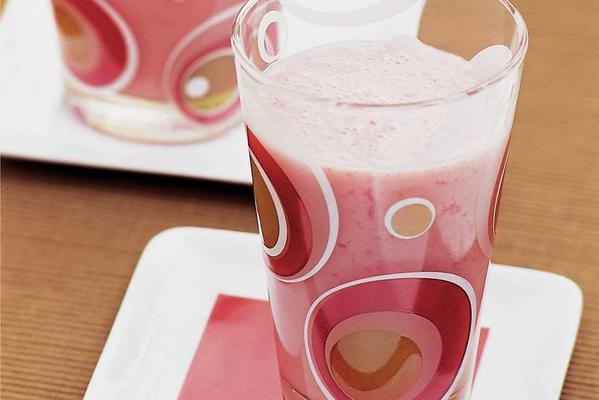 5 minDrink without alcoholbananas, cool fresh apple-pear raspberry juice, Soy drink vanilla,soy fruit shake
 -
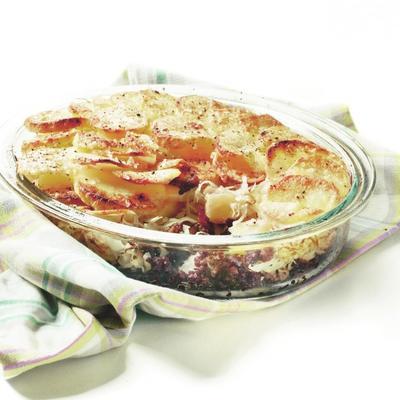 20 minMain dishsauerkraut, sticking potato, liquid baking product, half-to-half minced, Spice meatballs, pineapple, olive oil, liquid baking product,gratin sauerkraut dish with minced meat
 -
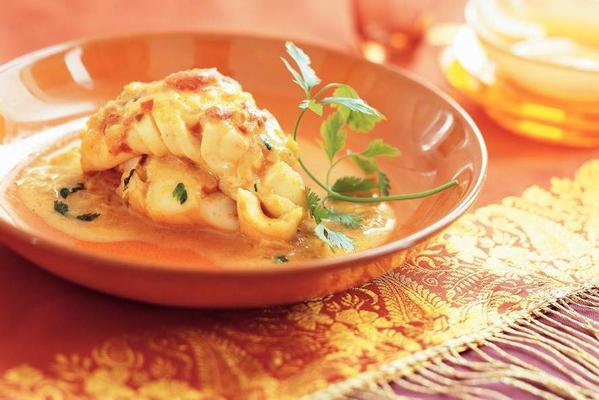 40 minMain dishlemongrass, fresh ginger, Red peppers, onions, tomato cubes, fresh cod fillet, coriander, oil, ground turmeric (koenjit), coconut milk, salt,fish in creamy coconut sauce
 -
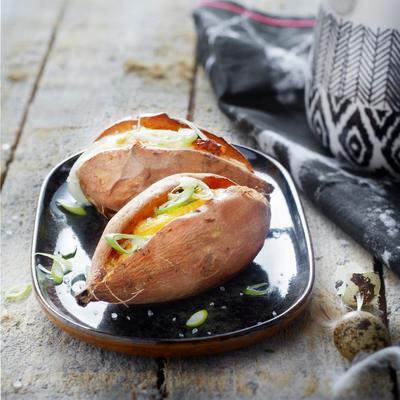 15 minSide dishsweet potato, soft goat cheese, egg, spring / forest onion,stuffed sweet potato with egg
But why is too much salt so unhealthy?
-
Ok, we just found that salt is essential for the body. But too much salt is also not good. Just briefly the most common consequences of excessive salt consumption:
Blood salt level out of balance
-
Yes, besides the blood sugar content, there is also a blood salt content. The moment you eat too much salt, this is processed by your kidneys and eventually ends up in the bloodstream. Your blood salt level immediately increases, so that your body gives a signal that you should drink. In other words, you get thirsty. If you do follow this up, more fluid will enter which will be removed naturally by the kidneys, along with the excess salt. A very nice natural process, but this extra action will put extra strain on the kidneys, and it is precisely this extra load that is not good for your rikketik. Consistent overuse of salt is bound to cause problems with your blood vessels and heart.
-
Yes, besides the blood sugar content, there is also a blood salt content. When you eat too much salt, it is processed by your kidneys and eventually ends up in the bloodstream. Your blood salt level immediately increases, so that your body gives a signal that you must drink. In other words, you get thirsty. If you do follow this up, more fluid will enter which will be removed naturally by the kidneys, along with the excess salt. A very nice natural process, but this extra action will put extra strain on the kidneys, and this extra load is not good for your rikketik. Consistent overuse of salt is bound to cause problems with your blood vessels and heart.
High blood pressure
-
For years it was believed that eating a lot of salt would be responsible for high blood pressure. This assumption is now outdated. In most people with high blood pressure, eating less salt did not lower blood pressure. Nevertheless, the principle is still widely applied, because there are also a number of people who are sensitive to salt, so the 'old' assumption still works there. Incidentally, the main cause of high blood pressure is overweight and stress. If you are sensitive to salt, and you have high blood pressure, it is recommended not to eat more than 2 grams of salt per day.
-
For years it was believed that eating a lot of salt would be responsible for high blood pressure. This assumption is now outdated. In most people with high blood pressure, eating less salt did not lower blood pressure. Nevertheless, the principle is still widely applied, because there are also a number of people who are sensitive to salt, and so the 'old' assumption still works there. Incidentally, the biggest cause of high blood pressure is overweight and stress. If you are sensitive to salt, and you have high blood pressure, it is recommended not to eat more than 2 grams of salt per day.
-
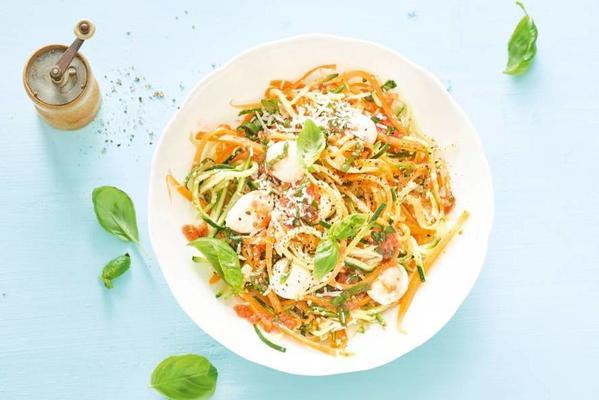 20 minMain dishTasty vine tomato, (olive oil, fresh basil, onion, garlic, Parmigiano Reggiano, zucchini spaghetti, pumpkin spaghetti, mini buffalo mozzarella,lukewarm pumpkin and zucchini spaghetti
 -
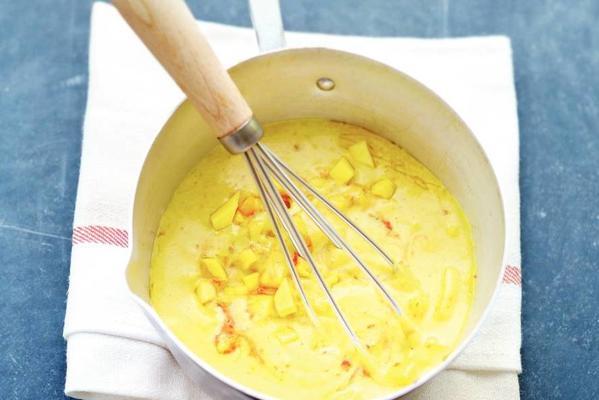 15 minSide dishtraditional olive oil, curry powder, wheat flour, coconut milk, sambal oelek, chicken broth tablet, water, fresh mango,curry sauce with mango
 -
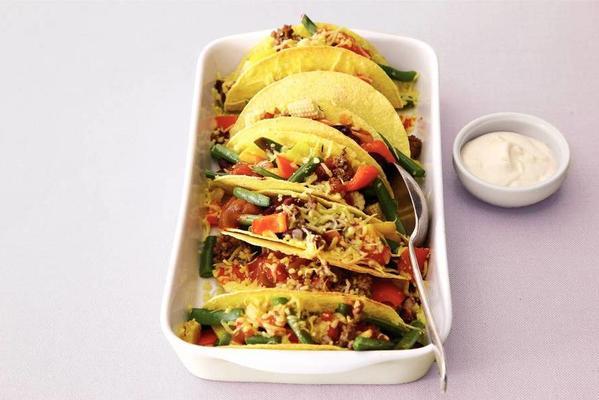 30 minMain dishtraditional olive oil, lean ground beef, frozen Mexican wok vegetables, salsa sauce mild, taco shell, grated young cheese, creme fraiche,Mexican vegetable in tacos
 -
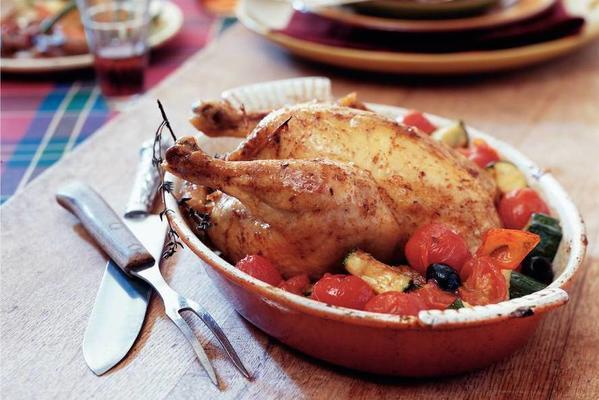 95 minMain dishmaize chicken, lemon, coarse sea salt, pepper, extra virgin olive oil, garlic, thyme, zucchini, tomatoes (small to), black olives without pit,provençal chicken with zucchini and tomatoes
Edema
-
Eating too much salt can also cause edema. Edema involves fluid retention in certain parts of your body due to poor fluid drainage. Swollen ankles is the result, among other things.
Tips to eat less salt
-
Despite the fact that salt is added to the vast majority of industrial products, there are still ways to escape this:
Finally
-
Salt is therefore good for your body on the one hand, but just like with alcohol, of course in moderation. Really try to limit your salt consumption by taking the above tips to heart. Admittedly, in the beginning, the 'lack' of salt will take some getting used to. But after a few weeks your taste buds will no longer know anything else and you will (again) look forward to a healthier future!
-
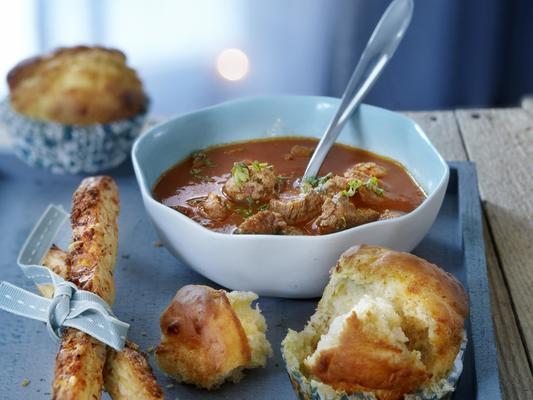 25 minSmall dishflour, frozen puff pastry, egg, milk, walnut, mature cheese, paprika, dried Provençal herbs,puff pastry-sticks
 -
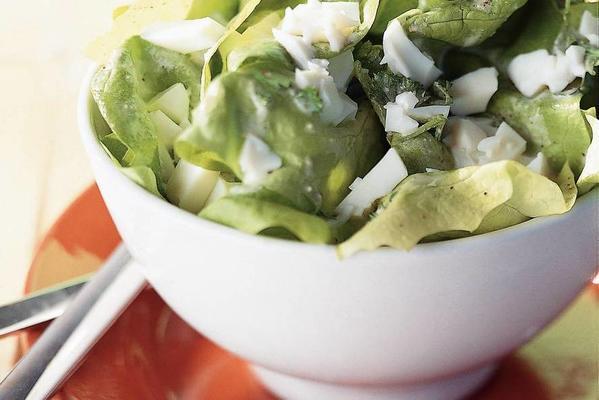 20 minSide dishEggs, lettuce, parsley, olive oil (extra virgin), tarragon vinegar, salt and freshly ground pepper,lettuce with egg dressing
 -
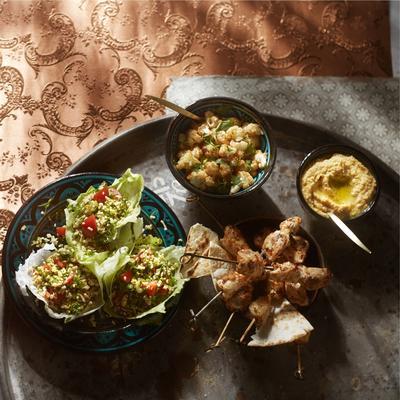 15 minSmall dishbaking flour, peanut oil, flat leaf parsley,ar'nabit mi'li
 -
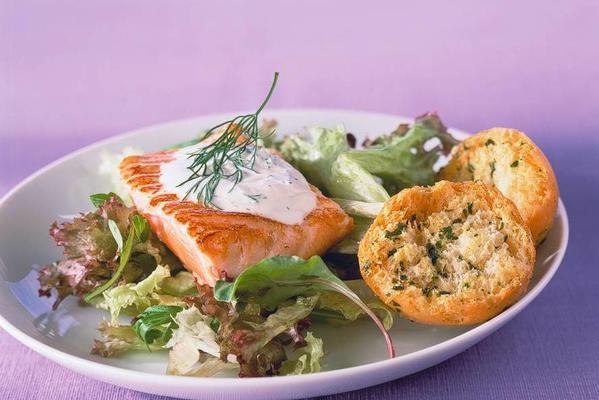 15 minAppetizerScottish salmon fillet, butter or margarine, fresh dill, creme fraiche, dry white wine, arugula lettuce melange, pan tostado,baked salmon with white-wine sauce