Twenty tips to live longer
-
Studies have shown that biologically we can live for 120 years. But people's lives are often shortened due to illness, physical and psychological setbacks, among other things. How can you increase your chances of a longer life? How do you get more energy, how can you ward off diseases?
Fight free radicals
-
By breathing we take in oxygen, but also free radicals or oxidants. These attack our cells and can cause cancer. Antioxidants can neutralize these free radicals. Fruits and vegetables are full of antioxidants and you should eat at least 5 servings daily (1 serving = a handful). Certain fruits and vegetables, namely the dark ones, contain more antioxidants. Examples are plums, raisins, blueberries, spinach, kale, Brussels sprouts, ... And the skin often contains the most pigment, so just wash your fruit and don't peel it.
Use more olive oil
-
Olive oil offers many benefits: it lowers bad cholesterol, improves digestion and is important for healthy cell formation. It is best to choose the extra virgin version, which is of the best quality.
-
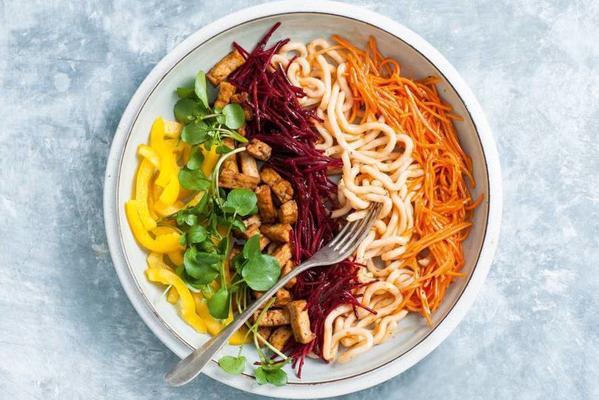 11 minMain dishpeanut oil, tofu stir-fry cubes finely seasoned, stir fry sauce sweet and sour, thick noodles, carrot julienne, beetroot julienne, yellow bell pepper, watercress,rainbow salad with tofu
 -
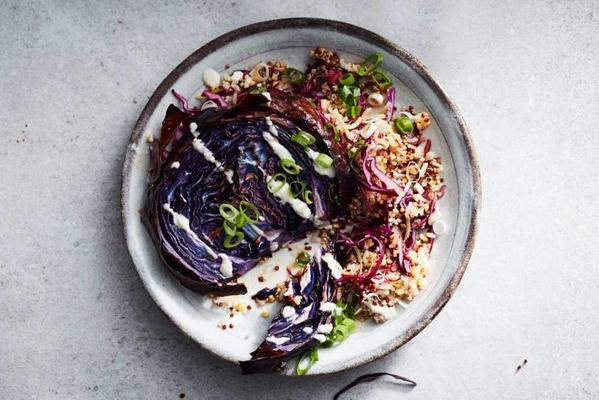 45 minMain dishRed cabbage, mild olive oil, quinoa plus, forest outing, lemon, sesame oil, soy sauce less salt, Bio Today tahini white in pot, tap water,grilled red cabbage with quinoa salad
 -
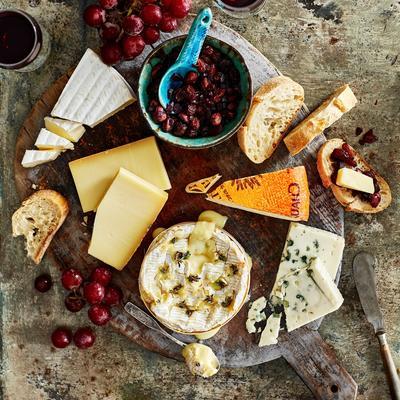 30 minDessertBrie, Roquefort, port salut, gruyere, Camembert, walnut, garlic, thyme, honey, grape, baguette, Red onion, red grape, raisins, Red wine, Red wine vinegar, Brown sugar,generous cheese plate with onion marmalade
 -
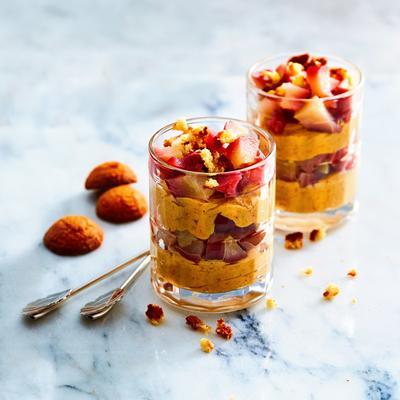 30 minDessertFull Milk, whipped cream, macaroon, custard powder, vanilla sugar, sugar, protein, amaretto, almond liqueur, basic recipe cooking pears,macaroon pastry with casserole
Eat fish
-
Fish contains valuable omega-3 fatty acids. You will find these especially in salmon, trout, tuna, herring and sardines. The effect of these omega-3 fatty acids is great: blood pressure is lowered, your joints are protected, it is good for your brain, it prevents wrinkles, ...
Drink tea
-
Tea is full of flavonoids. These are disease-fighting substances. As a result, it prevents cancer, slows down colon cancer, and keeps the prostate healthy. In addition, it protects the joints and stimulates fat burning. You will now think that this applies to all types of tea. No, it is best to choose a green or black tea and drink at least 4 cups a day. Make sure you don't boil water when you add it and don't put white sugar in your tea. Refined sugar reduces the beneficial effect of tea. Always squeeze your bag well and drink your tea preferably without milk.
Drink red wine
-
Drinking too much alcohol is not good, everyone knows that. But red wine, just like tea, contains flavonoids, substances that prevent heart disease and help in the fight against harmful free radicals. The recommended amount is 2 to 3 small glasses per day. Cabernet Sauvignon, Merlot and Pinot Noir deliver the most efficient results.
-
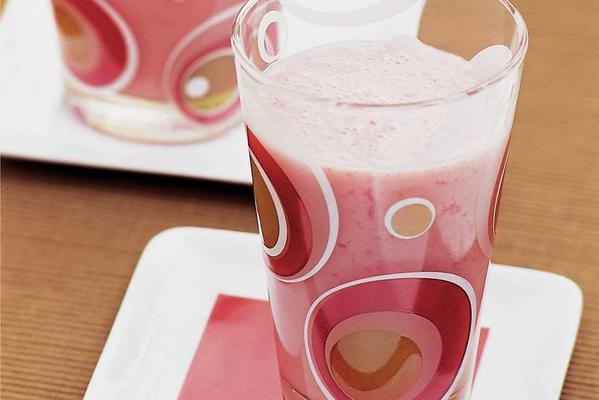 5 minDrink without alcoholbananas, cool fresh apple-pear raspberry juice, Soy drink vanilla,soy fruit shake
 -
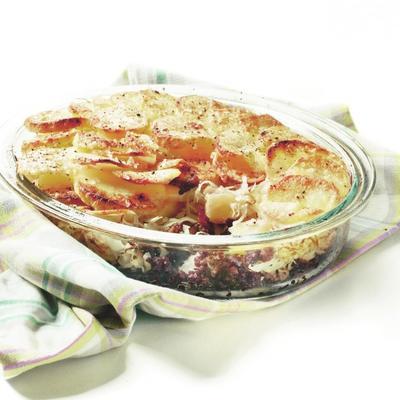 20 minMain dishsauerkraut, sticking potato, liquid baking product, half-to-half minced, Spice meatballs, pineapple, olive oil, liquid baking product,gratin sauerkraut dish with minced meat
 -
 40 minMain dishlemongrass, fresh ginger, Red peppers, onions, tomato cubes, fresh cod fillet, coriander, oil, ground turmeric (koenjit), coconut milk, salt,fish in creamy coconut sauce
 -
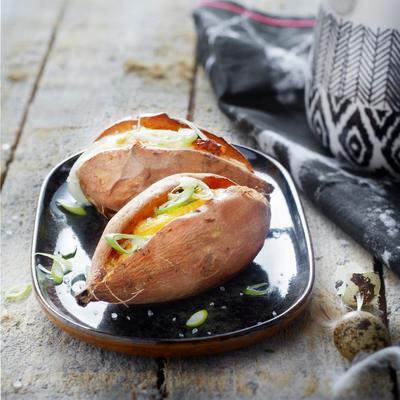 15 minSide dishsweet potato, soft goat cheese, egg, spring / forest onion,stuffed sweet potato with egg
Choose soy
-
Research has shown that the Okinawans, residents of an archipelago off the coast of Japan, are the longest living people in the world. This appears to be because they eat soy every day. Soybeans are also said to contain 6 different anti-cancer substances. Furthermore, soy is good for the heart, helps strengthen your bones, lowers bad cholesterol and can ease the symptoms of menopause. Soy comes in the form of soy milk, soy sauce, tofu and miso. There are also yogurt, pudding and ice cream made from soy and there is bread that contains soy, namely linseed bread.
Avoid refined sugar, refined carbohydrates, snacks and ready meals
-
If you eat too much sugar, you will get more wrinkles. In addition, it is bad for your kidneys, veins, nerves and immune system. If you want to eat sugar, use unrefined sugar, for example raw cane sugar. Refined carbohydrates can cause spikes in blood sugar. So rather use wholemeal bread and pasta and brown rice. Eating snacks can cause serious liver damage. Prepackaged meals contain too much salt. Too much salt causes high blood pressure.
Use a Q10 supplement
-
Q10 is a powerful antioxidant and it is very important for energy production. From the age of 40, the production of Q10 in your body decreases and heavy drinking also slows down the production of Q10 in your body. Q10 is effective against high blood pressure and makes you feel fitter. Athletes use it to increase their stamina. When choosing the supplement, make sure that the minimum is 30 mg. contains.
-
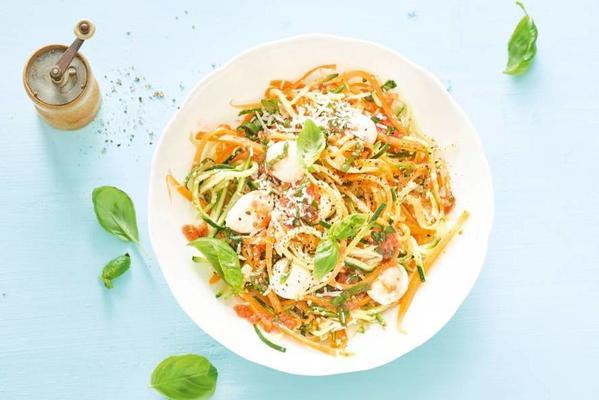 20 minMain dishTasty vine tomato, (olive oil, fresh basil, onion, garlic, Parmigiano Reggiano, zucchini spaghetti, pumpkin spaghetti, mini buffalo mozzarella,lukewarm pumpkin and zucchini spaghetti
 -
 15 minSide dishtraditional olive oil, curry powder, wheat flour, coconut milk, sambal oelek, chicken broth tablet, water, fresh mango,curry sauce with mango
 -
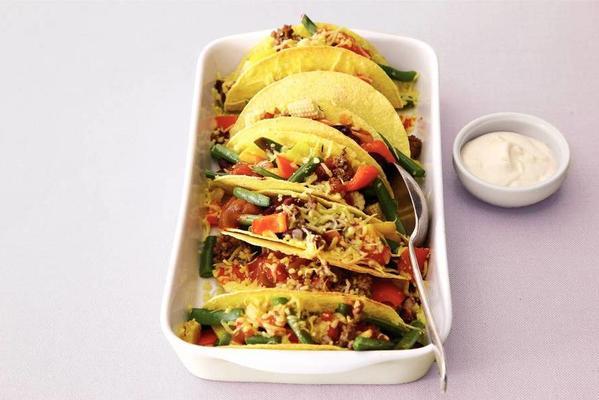 30 minMain dishtraditional olive oil, lean ground beef, frozen Mexican wok vegetables, salsa sauce mild, taco shell, grated young cheese, creme fraiche,Mexican vegetable in tacos
 -
 95 minMain dishmaize chicken, lemon, coarse sea salt, pepper, extra virgin olive oil, garlic, thyme, zucchini, tomatoes (small to), black olives without pit,provençal chicken with zucchini and tomatoes
Move
-
By exercising more you get more energy, you feel better about yourself, you lower your blood pressure and cholesterol; ...
Make love more often
-
Sex is also considered good exercise. It promotes blood circulation and improves cholesterol levels. It counteracts stress and depression and relieves pain. All this is caused by endorphins that are released during orgasm.
Laugh more
-
When you smile, endorphins (happiness hormones) are released in your body. Research has shown that laughter lowers stress hormones and soothes pain. It helps lower your blood pressure, strengthens the immune system and brings oxygen into the blood. It is also viewed by psychologists as an important way to break out of the daily grind. Laughing together also strengthens the social bond between people. All this explains the great worldwide success of laughter therapy.
Have a good social network
-
Social networks are very important. Whether it's family, friends, colleagues, members of a club you are a part of, you need people to rely on. Close relationships can promote healing during illness. The people you associate with can also give you advice if you have an unhealthy lifestyle or support you when you find yourself in a difficult situation. Social isolation can contribute to depression, obesity, high blood pressure.
Think positive
-
Optimists live on average no less than 9 years longer than pessimists. Similarly, it has been found that women with breast cancer have a better chance of survival when they see the future brightly. Do not dwell on what has been, try to see the positive side of less good experiences. Everything in life happens for a reason. It is up to us to learn lessons for the future. Notice how often you formulate things negatively: "I still have to do that, I have no choice, ..." This puts a lot of pressure on our shoulders and we get the feeling that we are not doing well or failing. It is important to change our minds and use positive formulations.
Quit smoking
-
If you smoke, your life expectancy is 7 years shorter. You are more likely to get lung cancer and heart disease. Quitting isn't easy, but just because it failed last time doesn't mean it won't work next time. Plus, you can look for something to help you, such as nicotine patches or acupuncture.
Take care of your teeth
-
Did you know that it is very important to floss daily? This way you prevent gum disease and inflammation in the veins. Make sure you do each tooth with a new piece of floss. In addition, it is best to use an electric toothbrush, as these are 25% more capable of removing plaque. You can also use mouthwash to loosen any bacteria left after brushing.
Train your brain
-
How do you do this? For example, you can do a crossword puzzle every day, look for a new hobby or learn a foreign language. Such mental challenges keep the nerve connections strong. Exercise also increases the effectiveness of the brain. For example, it has been proven that dancing tango reduces the risk of developing Alzheimer's by as much as 75%.
Get examined
-
The chance of curing diseases is often greater if you get there on time.
Eat less
-
In America they conducted a study with a low-calorie diet. The test subjects ate an average of 1700 calories per day for 6 years: fruits, vegetables, nuts, dairy products, grains, lean meat,…. They did not drink soft drinks or eat sugary products. They had less bad cholesterol, lower insulin levels and only 9% fat afterwards!
-
 25 minSmall dishflour, frozen puff pastry, egg, milk, walnut, mature cheese, paprika, dried Provençal herbs,puff pastry-sticks
 -
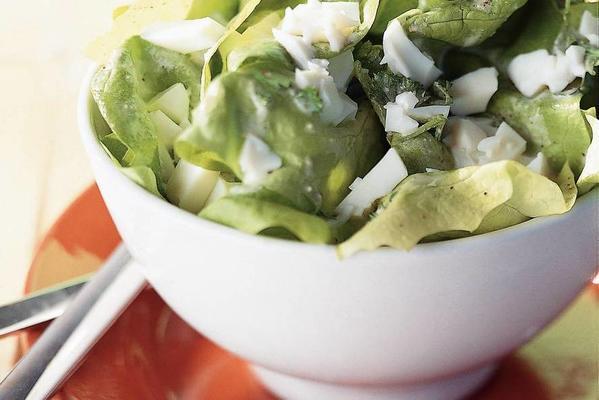 20 minSide dishEggs, lettuce, parsley, olive oil (extra virgin), tarragon vinegar, salt and freshly ground pepper,lettuce with egg dressing
 -
 15 minSmall dishbaking flour, peanut oil, flat leaf parsley,ar'nabit mi'li
 -
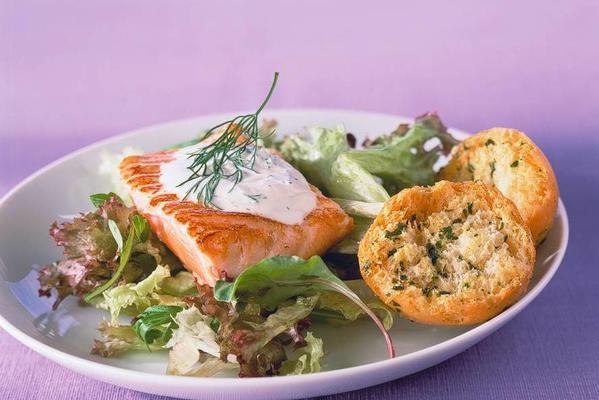 15 minAppetizerScottish salmon fillet, butter or margarine, fresh dill, creme fraiche, dry white wine, arugula lettuce melange, pan tostado,baked salmon with white-wine sauce
Take a vitamin supplement
-
Especially if you do not reach your daily 5 servings of fruit and vegetables, this is very important. Vitamin C is important for the immune system, for lowering cholesterol, lowering blood pressure, fighting cancer, ... The ideal dose is a 1000 mg supplement. per day. Vitamin E lowers the risk of heart attack and works well with vitamin C.
Play golf
-
During a game of golf you can easily walk about 7 kilometers, you breathe in the healthy air and you are engaged in a social activity. As a result, you can extend your life by about 5 years by playing golf regularly. This has been shown by a study by the Karolinska Institute carried out on 300,000 people.