Are figs healthy?
-
We are all familiar with the advice of two pieces of fruit a day. A good rule of thumb to aim for, as fruit is full of fiber, vitamins, and minerals that your body desperately needs. But does this also apply to tropical fruits such as dates and figs? And perhaps an even more important question: are they still that healthy when you eat them dried?
-
We are all familiar with the advice of two pieces of fruit a day. A good rule of thumb to aim for, as fruit is full of fiber, vitamins, and minerals your body desperately needs. But does this also apply to tropical fruits such as dates and figs? And perhaps an even more important question: are they still that healthy when you eat them dried?
-
Today we will discuss in detail the fig, a bit of the neglected child in this family. Are figs healthy? What can you do with it? What should you pay attention to when you buy them? After reading this blog you will know all about it!
Vitamins and minerals
-
Let's start with the basics: what are the important nutrients in figs? First of all, they naturally contain a lot of vitamins, like all fruits. For example, they are rich in vitamin C, which is good for the immune system. They also contain a lot of vitamin A, which keeps your skin and eyes healthy, and various vitamins from the B complex.
-
 11 minMain dishpeanut oil, tofu stir-fry cubes finely seasoned, stir fry sauce sweet and sour, thick noodles, carrot julienne, beetroot julienne, yellow bell pepper, watercress,rainbow salad with tofu
 -
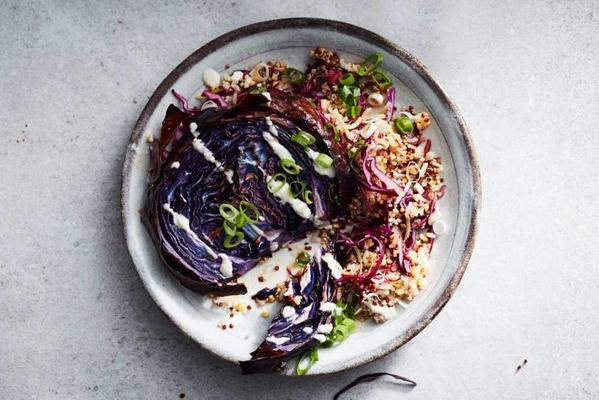 45 minMain dishRed cabbage, mild olive oil, quinoa plus, forest outing, lemon, sesame oil, soy sauce less salt, Bio Today tahini white in pot, tap water,grilled red cabbage with quinoa salad
 -
 30 minDessertBrie, Roquefort, port salut, gruyere, Camembert, walnut, garlic, thyme, honey, grape, baguette, Red onion, red grape, raisins, Red wine, Red wine vinegar, Brown sugar,generous cheese plate with onion marmalade
 -
 30 minDessertFull Milk, whipped cream, macaroon, custard powder, vanilla sugar, sugar, protein, amaretto, almond liqueur, basic recipe cooking pears,macaroon pastry with casserole
-
In terms of minerals, these fruits also score very well. For example, they contain quite a bit of calcium, about which more later. It also contains copper, iron, potassium and selenium. All these minerals are important for heart and blood vessels: potassium keeps your blood pressure low and iron helps you transport oxygen.
Fibers in figs
-
A second advantage of figs is that they contain a lot of fiber! In fresh figs this is about 2.1 grams per 100 grams, in dried figs about 9 grams. That has many advantages. To begin with, it is of course nice that the sugars from the fruit are absorbed more slowly thanks to those fibers.
-
This way you prevent an unhealthy high peak in your blood sugar. In addition, fiber helps you feel full for longer. And finally, they are essential for keeping your gut bacteria healthy. Not a superfluous luxury, as these have a significant impact on your immune system, overall health and even your mood.
-
 5 minDrink without alcoholbananas, cool fresh apple-pear raspberry juice, Soy drink vanilla,soy fruit shake
 -
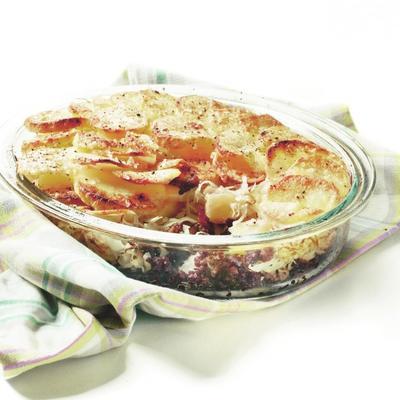 20 minMain dishsauerkraut, sticking potato, liquid baking product, half-to-half minced, Spice meatballs, pineapple, olive oil, liquid baking product,gratin sauerkraut dish with minced meat
 -
 40 minMain dishlemongrass, fresh ginger, Red peppers, onions, tomato cubes, fresh cod fillet, coriander, oil, ground turmeric (koenjit), coconut milk, salt,fish in creamy coconut sauce
 -
 15 minSide dishsweet potato, soft goat cheese, egg, spring / forest onion,stuffed sweet potato with egg
Figs for the bones
-
As mentioned above, figs for fruit contain relatively much calcium. In 100 grams of figs you will find no less than 55 mg of calcium. That's about half the 100ml of milk, just to give you an idea. Because your bones mainly consist of calcium, you need calcium badly to avoid osteoporosis.
-
However, that is not the only way the fruit helps to strengthen the bones. They also contain vitamin C, which ensures that your body can better absorb calcium. And besides that, it contains potassium, which is increasingly clear that it is also important for your bone health.
Figs for a sore throat
-
A final benefit of figs is that they can be a great help in treating a sore throat. The reason is that they contain polymers, also called mucilages. You can find the same substances in products such as linseed and aloe vera. The polymers form a protective layer in the throat, as it were, and thus reduce pain. Your mucous membranes also recover faster.
-
A final benefit of figs is that they can be a great help in treating sore throats. The reason is that they contain polymers, also called mucilages. You can find the same substances in products such as linseed and aloe vera. The polymers form a protective layer in the throat, as it were, and thus reduce pain. Your mucous membranes also recover faster.
-
 20 minMain dishTasty vine tomato, (olive oil, fresh basil, onion, garlic, Parmigiano Reggiano, zucchini spaghetti, pumpkin spaghetti, mini buffalo mozzarella,lukewarm pumpkin and zucchini spaghetti
 -
 15 minSide dishtraditional olive oil, curry powder, wheat flour, coconut milk, sambal oelek, chicken broth tablet, water, fresh mango,curry sauce with mango
 -
 30 minMain dishtraditional olive oil, lean ground beef, frozen Mexican wok vegetables, salsa sauce mild, taco shell, grated young cheese, creme fraiche,Mexican vegetable in tacos
 -
 95 minMain dishmaize chicken, lemon, coarse sea salt, pepper, extra virgin olive oil, garlic, thyme, zucchini, tomatoes (small to), black olives without pit,provençal chicken with zucchini and tomatoes
-
And if the sore throat is caused by a cold or flu, the vitamin C will also help you to recover. It is recommended to eat a lot of it when you suffer from these kinds of diseases!
Fresh or dried figs?
-
Why figs are healthy, that may be clear by now. Then the next question is of course: which are the healthiest, the fresh or the dried? In general, you could say that the fresh figs are a bit healthier if you look at the amount of sugars. In the fresh version you will find only 19 grams of sugars per 100 grams, while the dried version contains no less than 54 grams. That's quite a difference.
-
On the other hand, other nutrients are also a lot more concentrated in dried figs: we mentioned above for example that they contain much more fiber. You can therefore also opt for dried; in that case, we only recommend that you eat a little less of it.
-
On the other hand, other nutrients are also a lot more concentrated in dried figs: we mentioned above, for example, that they contain much more fiber. You can therefore also opt for dried; in that case we only recommend that you eat a little less of it.
Buy fresh figs
-
Nowadays you will often find dried figs in the shop. Many organic shops, specialty fruit and vegetable stores and some supermarkets also sell fresh figs. When buying, make sure that the skin is still soft. As soon as it has become hard and stiff, they are also less juicy themselves. Once bought, eat them within a few days to prevent them from getting old.
-
It is best to keep them dry outside the refrigerator. Handy tip: to peel fresh figs, you can first cut them into quarters. You can then easily pull the peel off from bottom to top.
-
 25 minSmall dishflour, frozen puff pastry, egg, milk, walnut, mature cheese, paprika, dried Provençal herbs,puff pastry-sticks
 -
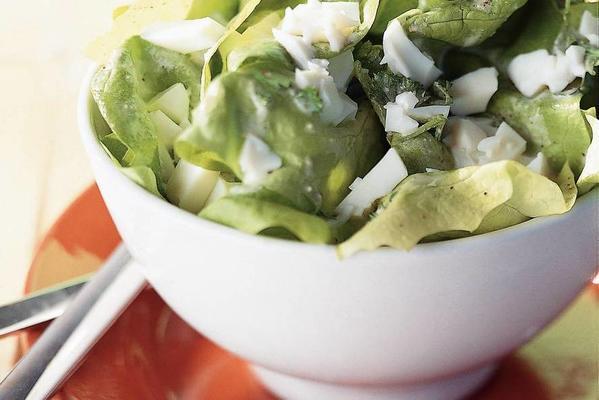 20 minSide dishEggs, lettuce, parsley, olive oil (extra virgin), tarragon vinegar, salt and freshly ground pepper,lettuce with egg dressing
 -
 15 minSmall dishbaking flour, peanut oil, flat leaf parsley,ar'nabit mi'li
 -
 15 minAppetizerScottish salmon fillet, butter or margarine, fresh dill, creme fraiche, dry white wine, arugula lettuce melange, pan tostado,baked salmon with white-wine sauce
How do you eat fresh figs?
-
And what do you do with those fresh figs in the end? First of all, you can of course eat them well as a snack. Thanks to the fiber, they fill up nicely, and thanks to the carbohydrates they quickly provide energy. They are also the ideal seasoning in salads. Combine them preferably with some salty ingredients, such as feta or ham.
-
Also delicious: warm figs with goat cheese and a drop of honey on the side. You can also use them as a sweet touch in oriental stews, as is often done with dates and apricots. For example, a tagine with pieces of fresh fig is not to be sneezed at!
-
 25 minMain dishbalsamic vinegar, garlic, steak, Spaghetti, traditional olive oil, fresh green olive tapenade, arugula, Parmigiano Reggiano,spaghetti with steak and arugula
 -
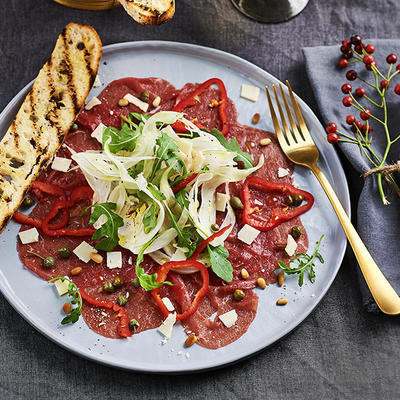 15 minAppetizerfennel bulb, arugula, red pointed pepper, black agnus carpaccio (a 100 grams), capers,black angus carpaccio with fennel
 -
 35 minMain dishsweet potatoes, salad onion, garlic, cooking dairy, grated cheese for vegetable gratin, almond shavings, peanut oil, breaded schnitzels, Broccoli,crispy schnitzel with sweet potato gratin and broccoli
 -
 30 minMain disholive oil, onion, tomato, risotto rice, laurel leaf, thyme, saffron, turmeric, fish stock of 1 tablet, mixed seafood, mixed whitefish fillet, mussel, lemon,fish paella from the oven
-
Finally, dried figs are also excellent as a sweetener. You do this in the same way as is often done with dates now: puree the dried fruits, and you're done!
Figs or dates?
-
Figs even have a number of great examples above dates. They contain fewer sugars: 54 against 73 grams per 100 grams. The amount of fiber is higher in figs: 9 grams compared to 7.5 grams in dried dates. The processing is actually exactly the same. So don't hesitate to use the same amount of figs in recipes with dates. It can only get healthier!