Calories in sushi: how slim and healthy is sushi really?
-
While sushi was an exotic delicacy a few years ago, this Japanese delicacy is now indispensable in the Netherlands. Restaurants - often with an all you can eat form - are popping up like mushrooms, and supermarkets are also full of nori, wasabi and soy sauce.
-
Rightly so, because these Japanese snacks are delicious! But what about the calories in sushi? And is sushi healthy? In this blog post, we'll discuss how good sushi is for you, and how to prepare a healthier alternative!
What's in sushi?
-
If you don't have much experience with sushi, you might feel a bit intimidated by all the Japanese terms that fly over you in sushi restaurants. Yet it is really not that complicated. Most sushi consists largely of sticky white rice mixed with Japanese rice vinegar. The remaining ingredients are then added.
-
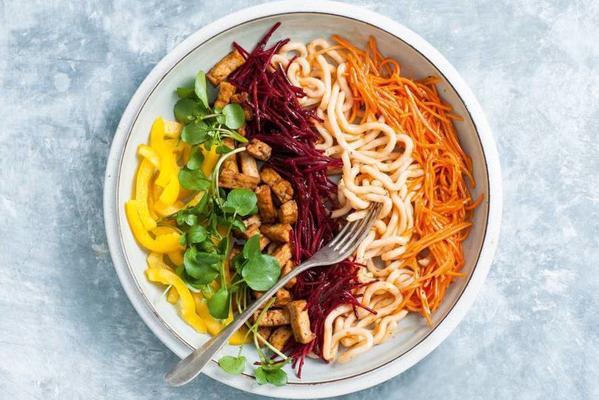 11 minMain dishpeanut oil, tofu stir-fry cubes finely seasoned, stir fry sauce sweet and sour, thick noodles, carrot julienne, beetroot julienne, yellow bell pepper, watercress,rainbow salad with tofu
 -
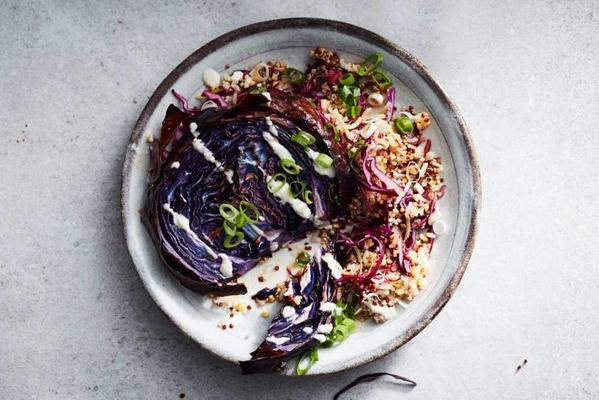 45 minMain dishRed cabbage, mild olive oil, quinoa plus, forest outing, lemon, sesame oil, soy sauce less salt, Bio Today tahini white in pot, tap water,grilled red cabbage with quinoa salad
 -
 30 minDessertBrie, Roquefort, port salut, gruyere, Camembert, walnut, garlic, thyme, honey, grape, baguette, Red onion, red grape, raisins, Red wine, Red wine vinegar, Brown sugar,generous cheese plate with onion marmalade
 -
 30 minDessertFull Milk, whipped cream, macaroon, custard powder, vanilla sugar, sugar, protein, amaretto, almond liqueur, basic recipe cooking pears,macaroon pastry with casserole
-
Fish is widely used: think of salmon (sake), shrimp (ebi) and tuna (maguro). Egg and tofu are also used as a protein source. Furthermore, sushi often contains seaweed. Rolls and bags are often made from nori, dried seaweed sheets, and wakame, a salty kind, is often used in sushi. More modern variants also use avocado, mayonnaise, corn and countless other ingredients.
Healthy ingredients
-
Anyone who sees that list of ingredients will probably be pleasantly surprised: after all, they look relatively healthy. Seaweed, for example, is a source of vitamin B12 and essential minerals such as iron, lime and iodine. Avocados are packed with healthy fats, vitamin E and vegetable proteins, and raw fish is often touted as a great way to get the right fatty acids.
-
After all, eggs are a good source of protein, especially for vegetarians. If you also have the information that the Japanese are the longest living people in the world, the conclusion seems obvious: sushi is quite healthy. But is it really that simple?
-
After all, eggs are a good protein source, especially for vegetarians. If you also have the information that the Japanese are the longest living people in the world, the conclusion seems obvious: sushi is quite healthy. But is it really that simple?
-
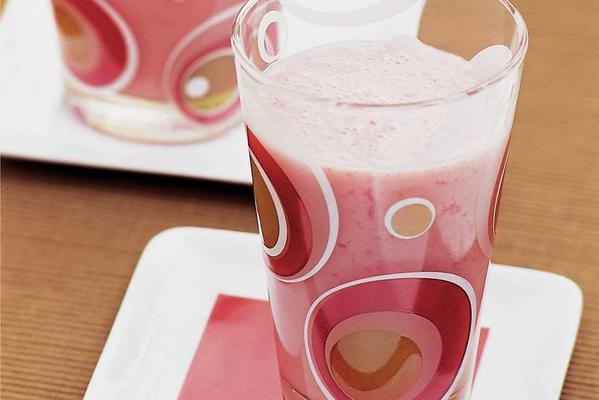 5 minDrink without alcoholbananas, cool fresh apple-pear raspberry juice, Soy drink vanilla,soy fruit shake
 -
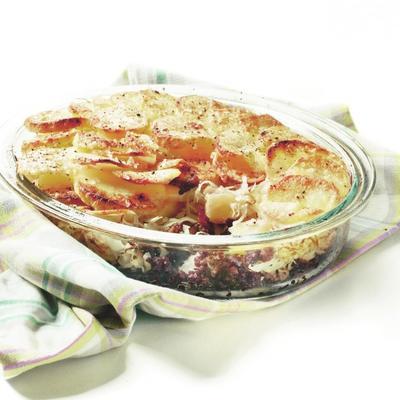 20 minMain dishsauerkraut, sticking potato, liquid baking product, half-to-half minced, Spice meatballs, pineapple, olive oil, liquid baking product,gratin sauerkraut dish with minced meat
 -
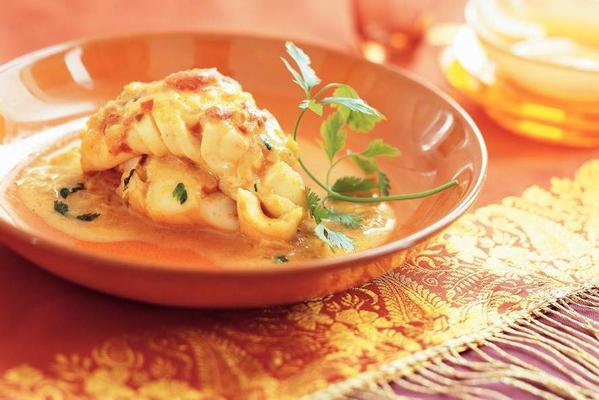 40 minMain dishlemongrass, fresh ginger, Red peppers, onions, tomato cubes, fresh cod fillet, coriander, oil, ground turmeric (koenjit), coconut milk, salt,fish in creamy coconut sauce
 -
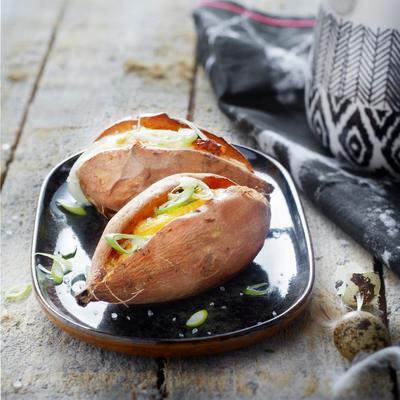 15 minSide dishsweet potato, soft goat cheese, egg, spring / forest onion,stuffed sweet potato with egg
Western sushi
-
Unfortunately it is a bit more complicated. An important factor is the difference between the original Japanese sushi and the sushi that we know in the Netherlands, for example: the first type is a lot healthier than the second. For example, in Western sushi all kinds of extra sauces and additives are often added, such as fatty mayonnaise or soy sauce with unnecessary salt.
-
In addition, the Dutch often eat more fried dishes, such as tempura. Add to that a good amount of extra rice, and the amount of calories in your sushi increases considerably ... Obviously, this is a lot less healthy than the dish that was originally made in Japan.
All you can eat sushi
-
And omitting all unhealthy additives, does that make sushi healthy enough? Unfortunately, we are still not there. The next problem is the way many people eat their sushi: in all you can eat restaurants.
-
And omitting all unhealthy additives, does that make sushi healthy enough? Unfortunately we are still not there. The next problem is the way many people eat their sushi: in all you can eat restaurants.
-
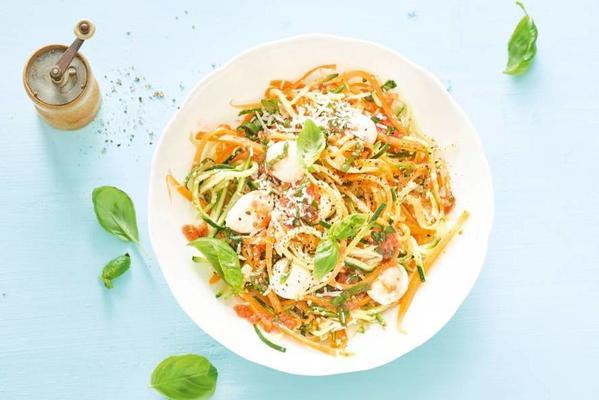 20 minMain dishTasty vine tomato, (olive oil, fresh basil, onion, garlic, Parmigiano Reggiano, zucchini spaghetti, pumpkin spaghetti, mini buffalo mozzarella,lukewarm pumpkin and zucchini spaghetti
 -
 15 minSide dishtraditional olive oil, curry powder, wheat flour, coconut milk, sambal oelek, chicken broth tablet, water, fresh mango,curry sauce with mango
 -
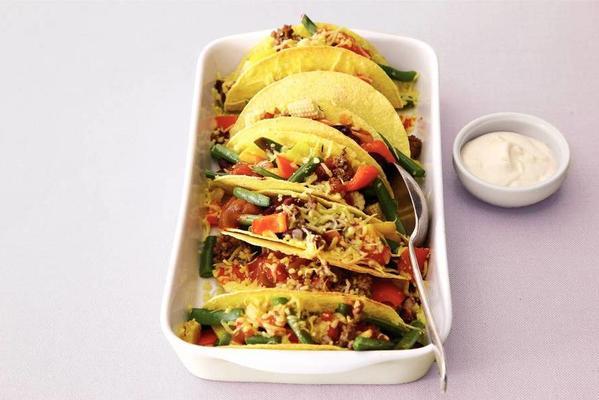 30 minMain dishtraditional olive oil, lean ground beef, frozen Mexican wok vegetables, salsa sauce mild, taco shell, grated young cheese, creme fraiche,Mexican vegetable in tacos
 -
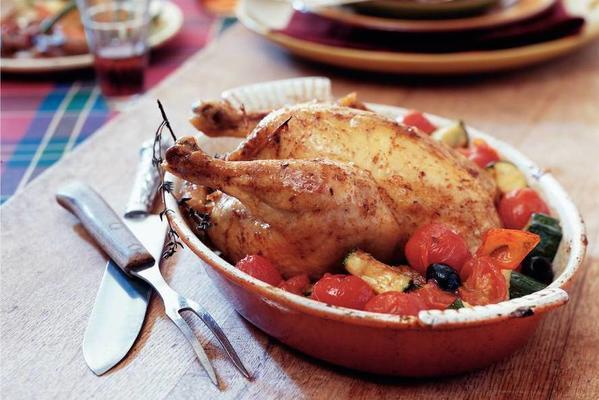 95 minMain dishmaize chicken, lemon, coarse sea salt, pepper, extra virgin olive oil, garlic, thyme, zucchini, tomatoes (small to), black olives without pit,provençal chicken with zucchini and tomatoes
-
Because the food is unlimited, many visitors stuff themselves completely there. Not exactly a healthy activity, especially in combination with extra desserts and drinks! Combine that with the many fatty ingredients and sauces, and you will understand why it can quickly disappoint with those calories in sushi.
Sushi calories list
-
Planning a sushi restaurant outing soon? Then it is useful to know a little bit about what calories you consume! The list below shows you exactly how many calories sushi contains. However, the exact amount may differ slightly per restaurant and chef.
-
Planning a sushi restaurant outing soon? Then it is useful to know a little bit about what calories you consume! The list below shows exactly how many calories sushi contains. However, the exact amount may differ slightly per restaurant and chef.
-
Maki (rolls with rice and nori)
-
Uramaki (inside out roll: filling with nori and rice around it)
-
Temaki (nori cones with filling)
-
Temaki (cones of nori with filling)
-
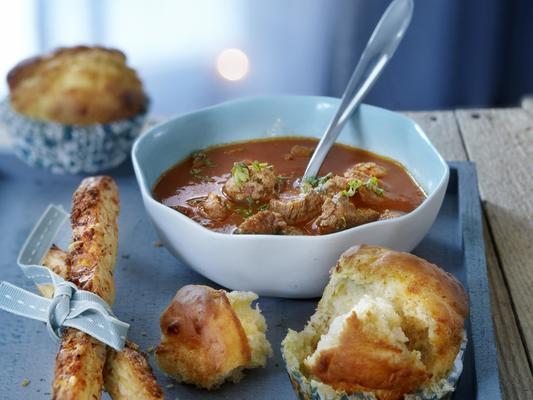 25 minSmall dishflour, frozen puff pastry, egg, milk, walnut, mature cheese, paprika, dried Provençal herbs,puff pastry-sticks
 -
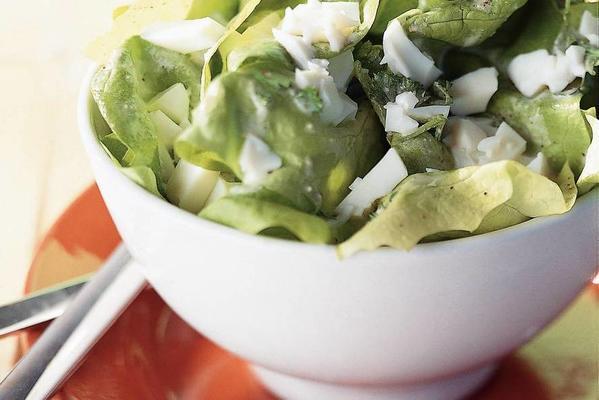 20 minSide dishEggs, lettuce, parsley, olive oil (extra virgin), tarragon vinegar, salt and freshly ground pepper,lettuce with egg dressing
 -
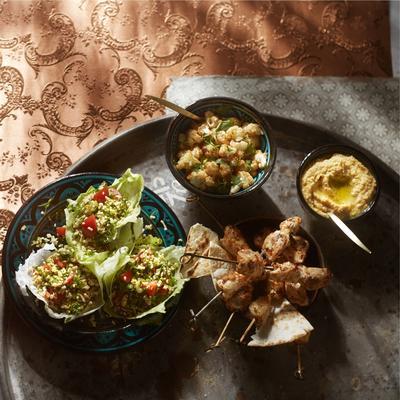 15 minSmall dishbaking flour, peanut oil, flat leaf parsley,ar'nabit mi'li
 -
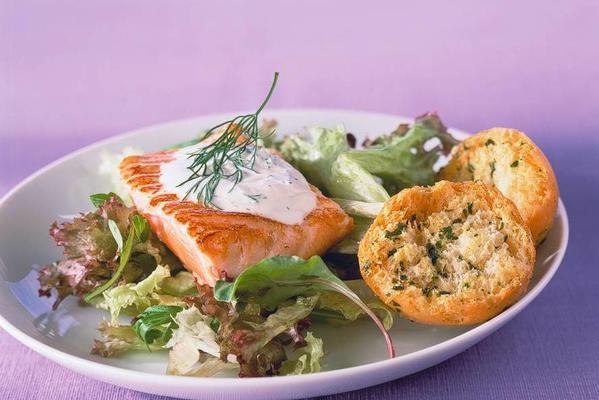 15 minAppetizerScottish salmon fillet, butter or margarine, fresh dill, creme fraiche, dry white wine, arugula lettuce melange, pan tostado,baked salmon with white-wine sauce
-
Nigiri (fish or egg on a bed of rice)
Reduce calories in sushi
-
Most sushi restaurants offer an awful lot of choice, and not every option is mentioned above. How do you keep your dinner a little lean without an exhaustive list of calories in sushi?
-
A first tip is to start with something other than sushi. This way you are already a bit saturated and you reduce the risk of overeating. For example, first order a soup, seaweed salad or edamame, fresh soy beans. With that you fill yourself up a bit in a healthy way!
-
Avoid the types of sushi that contain mayonnaise or cheese. Fish and avocado contain healthy fats and are therefore less problematic, but they are not slim either. Therefore eat this sushi somewhat in moderation.
-
Drinks are another factor. Do you want to have fun with that sushi? Choose that for water or spa red to limit the number of calories! After all, alcoholic drinks and soft drinks all provide extra energy.
-
Also make sure that you take enough time between the different dishes so that your body has the space to let you know that you are full. It can also be wise to vary a lot, so that you get a lot of different nutrients.
-
Finally: don't eat until you are completely full! The Japanese themselves maintain that you should be eighty percent full at a meal. That's an excellent rule of thumb to avoid overeating.
Make your own healthy sushi
-
Do you not go out for dinner, but do you cook yourself? Then you can easily reduce the calories in sushi yourself. You can also add some extra nutritious ingredients this way and omit the greasy, unhealthy ingredients.
-
For this recipe, we choose - the name says it all - for quinoa instead of rice. One of the benefits of quinoa is that it contains a little less carbohydrates and a little more protein. In addition, it is full of vitamins and minerals. For instance, it contains iron, potassium, magnesium and various B vitamins. A great alternative, in other words!
-
Another way to improve the health value of sushi is to add more vegetables. In restaurant sushi this is often quite disappointing. It may contain a cube of cucumber now and then, but otherwise it is mainly a lot of meat and rice.
-
It is a shame, because it is precisely those vegetables that provide an extra dose of healthy nutrients. In this recipe we use carrot, paprika and avocado. A nice colorful combination that makes your sushi look delicious right away! However, you can also choose to use other vegetables if you feel like it. The more varied the better!
-
Not only with vegetables is enough to vary, of course. You can also add extra proteins to this quinoa sushi yourself. Fish is of course an obvious choice: smoked salmon is easy to add in strips, for example. Shrimps and other fish can also be a great option.
-
Prefer something vegetarian? Then you can bake an omelette and cut it into strips. By adding your own favorite ingredients in this way, you can make this quinoa sushi an ideal snack or meal.
-
Per piece: 36 kcal | 1 gram of protein | 4 grams of carbohydrates | 1.5 grams of fat
-
Ingredients:
-
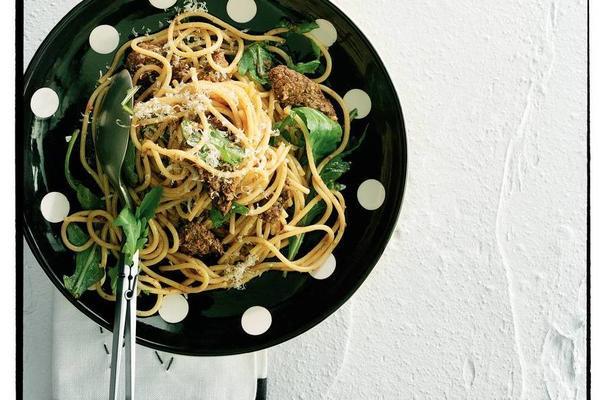 25 minMain dishbalsamic vinegar, garlic, steak, Spaghetti, traditional olive oil, fresh green olive tapenade, arugula, Parmigiano Reggiano,spaghetti with steak and arugula
 -
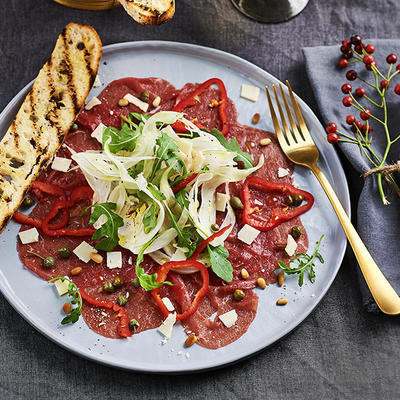 15 minAppetizerfennel bulb, arugula, red pointed pepper, black agnus carpaccio (a 100 grams), capers,black angus carpaccio with fennel
 -
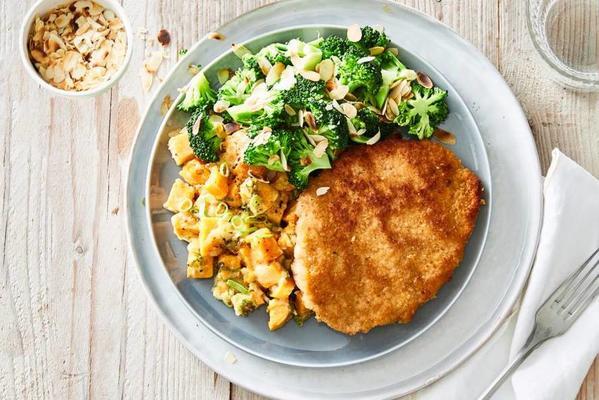 35 minMain dishsweet potatoes, salad onion, garlic, cooking dairy, grated cheese for vegetable gratin, almond shavings, peanut oil, breaded schnitzels, Broccoli,crispy schnitzel with sweet potato gratin and broccoli
 -
 30 minMain disholive oil, onion, tomato, risotto rice, laurel leaf, thyme, saffron, turmeric, fish stock of 1 tablet, mixed seafood, mixed whitefish fillet, mussel, lemon,fish paella from the oven
-
This is how you make it: