Fruit: each color has its own usefulness
-
Summer fruit comes in all colors of the rainbow. Those natural dyes not only make fruit irresistible, but also very healthy.
-
Green fruits such as kiwis and green apples are full of healthy substances that benefit your blood vessels.
Kiwi
-
To prevent clogging of the blood vessels and to keep the blood thin, doctors regularly recommend aspirin. However, researchers at the University of Oslo have discovered a much tastier and more natural alternative with the same blood-thinning effect: eating two or three kiwis a day. It is not yet clear to the researchers which substance from kiwi is responsible for the blood-thinning effect.
-
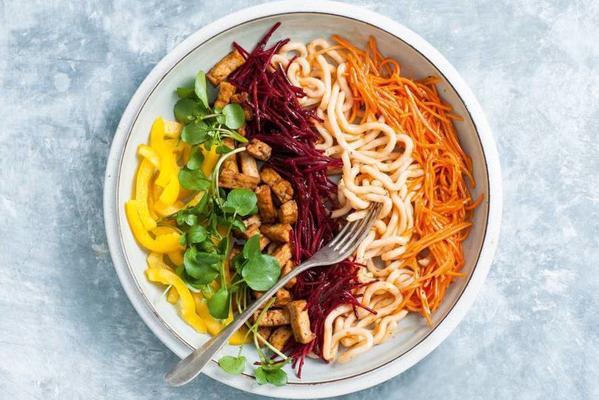 11 minMain dishpeanut oil, tofu stir-fry cubes finely seasoned, stir fry sauce sweet and sour, thick noodles, carrot julienne, beetroot julienne, yellow bell pepper, watercress,rainbow salad with tofu
 -
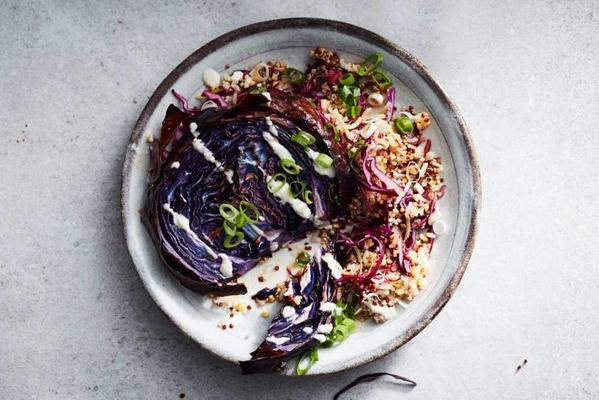 45 minMain dishRed cabbage, mild olive oil, quinoa plus, forest outing, lemon, sesame oil, soy sauce less salt, Bio Today tahini white in pot, tap water,grilled red cabbage with quinoa salad
 -
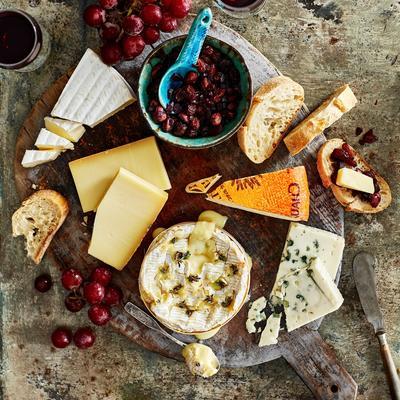 30 minDessertBrie, Roquefort, port salut, gruyere, Camembert, walnut, garlic, thyme, honey, grape, baguette, Red onion, red grape, raisins, Red wine, Red wine vinegar, Brown sugar,generous cheese plate with onion marmalade
 -
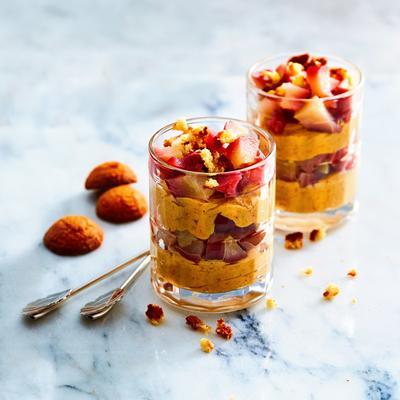 30 minDessertFull Milk, whipped cream, macaroon, custard powder, vanilla sugar, sugar, protein, amaretto, almond liqueur, basic recipe cooking pears,macaroon pastry with casserole
Green apple
-
Apples, such as the bright green Granny Smith, contain a lot of quercitin, a very strong antioxidant. Antioxidants are beneficial because they can protect our cells against free radicals (= unstable atoms and molecules that damage cells). It is thought that antioxidants can therefore delay cancer and cardiovascular disease. One apple has the same antioxidant effect as 1500 mg of vitamin C. You should eat no less than 25 oranges for this. Quercitin also seems good for our blood vessels. The higher the intake of this antioxidant, the lower the cholesterol level and the lower the risk of cardiovascular disease, according to Finnish and Japanese research.
-
Apples, such as the bright green Granny Smith, contain a lot of quercitin, a very strong antioxidant. Antioxidants are beneficial because they can protect our cells against free radicals (= unstable atoms and molecules that damage cells). It is thought that antioxidants can therefore delay cancer and cardiovascular disease. One apple has the same antioxidant effect as 1500 mg of vitamin C. You need to eat no less than 25 oranges for this. Quercitin also seems good for our blood vessels. The higher the intake of this antioxidant, the lower the cholesterol level and the lower the risk of cardiovascular disease, according to Finnish and Japanese research.
Orange for the eyes
-
Have you ever wondered why nectarines, apricots and peaches are so orange? This is due to beta-carotene, the same substance that colors carrots, oranges and tangerines orange. Beta-carotene is one of approximately 600 carotenoids found in fruits and vegetables. These super juicy stone fruits also contain many of two other carotenoids: lutein and zeaxanthin. Orange summer fruit is good for your eyes.
Nectarines
-
Nectarines are high in lutein and zeaxanthin. When eating nectarine, some of these substances go to your eyes. There they form a kind of internal sunglasses and protect the retina against the harmful effects of sunlight. In this way, they help prevent the retina from aging. There are even indications that they protect against age blindness or macular degeneration; an eye disease that causes the center of the retina (the macula) to die. One in ten over-80s has this incurable condition. Unfortunately, it is not (yet) known how many nectarines you have to eat to be protected against the disease.
-
Nectarines are high in lutein and zeaxanthin. When eating a nectarine, some of these substances go to your eyes. There they form a kind of internal sunglasses and protect the retina against the harmful effects of sunlight. In this way, they help prevent retinal aging. There are even indications that they protect against age blindness or macular degeneration; an eye disease that causes the center of the retina (the macula) to die. One in ten over-80s has this incurable condition. Unfortunately, it is not (yet) known how many nectarines you have to eat to be protected against the disease.
-
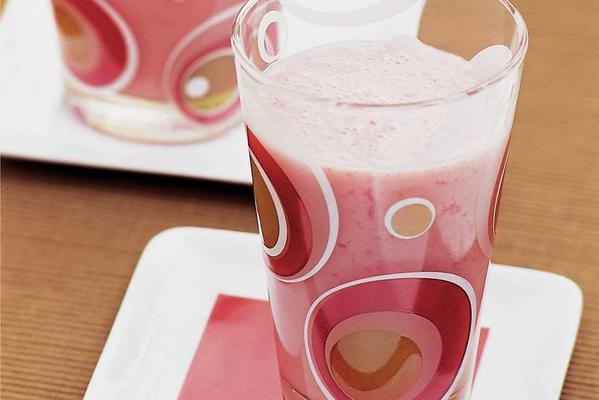 5 minDrink without alcoholbananas, cool fresh apple-pear raspberry juice, Soy drink vanilla,soy fruit shake
 -
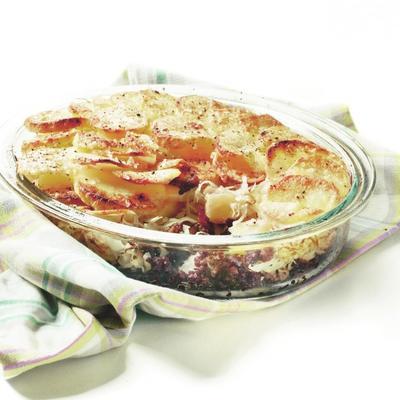 20 minMain dishsauerkraut, sticking potato, liquid baking product, half-to-half minced, Spice meatballs, pineapple, olive oil, liquid baking product,gratin sauerkraut dish with minced meat
 -
 40 minMain dishlemongrass, fresh ginger, Red peppers, onions, tomato cubes, fresh cod fillet, coriander, oil, ground turmeric (koenjit), coconut milk, salt,fish in creamy coconut sauce
 -
 15 minSide dishsweet potato, soft goat cheese, egg, spring / forest onion,stuffed sweet potato with egg
Apricots
-
Of all fruit, apricots contain by far the most of the natural orange coloring agent beta-carotene: over 25 times more than the average fruit. Our body is able to convert that beta-carotene into vitamin A, which in turn makes a substance that is very important for seeing light and dark. Beta-carotene thus helps to prevent night blindness. And when the summer is over and there is no more apricot to be found? Then feel free to take dried apricots. Beta-carotene withstands drying with flying colors. This is in contrast to vitamins, which you will hardly find in dried fruit. Dried apricots are also high in iron, which is good for your blood.
-
Of all fruit, apricots contain by far the most of the natural orange coloring agent beta-carotene: over 25 times more than the average fruit. Our body is able to convert that beta-carotene into vitamin A, which in turn makes a substance that is very important for seeing light and dark. So beta carotene helps to prevent night blindness. And when the summer is over and there is no more apricot to be found? Then feel free to take dried apricots. Beta-carotene withstands drying with flying colors. This is in contrast to vitamins, because you will hardly find them in dried fruit. Dried apricots are also high in iron, which is good for your blood.
Fire red for everything
-
Red fruits like strawberries and raspberries are irresistible to birds and they are quite right. Red fruit is a blessing for your body. It not only contains vitamin C, but also so-called ellagitannin and lycopene, which colors the flesh of a tomato or watermelon so beautifully red.
-
For birds, red fruits such as strawberries and raspberries are irresistible and they are quite right. Red fruit is a blessing for your body. It not only contains vitamin C, but also so-called ellagitannin and lycopene, which colors the flesh of a tomato or watermelon so beautifully red.
Watermelon
-
The red dye lycopene is always mentioned in the same breath as tomatoes, but watermelon contains a quarter more and that is by far the most of all fruits! Men in particular can benefit from this, because lycopene could be crucial in protecting against prostate cancer. It is also ideal in warm weather, because one large serving of watermelon contains as much moisture as a glass of soft drink, but is much more effective in thirst because it contains less sugar.
-
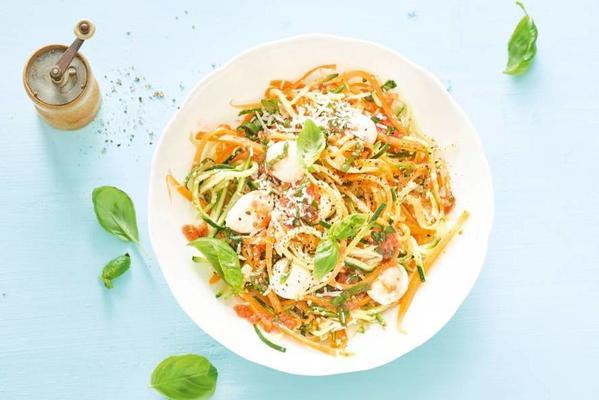 20 minMain dishTasty vine tomato, (olive oil, fresh basil, onion, garlic, Parmigiano Reggiano, zucchini spaghetti, pumpkin spaghetti, mini buffalo mozzarella,lukewarm pumpkin and zucchini spaghetti
 -
 15 minSide dishtraditional olive oil, curry powder, wheat flour, coconut milk, sambal oelek, chicken broth tablet, water, fresh mango,curry sauce with mango
 -
 30 minMain dishtraditional olive oil, lean ground beef, frozen Mexican wok vegetables, salsa sauce mild, taco shell, grated young cheese, creme fraiche,Mexican vegetable in tacos
 -
 95 minMain dishmaize chicken, lemon, coarse sea salt, pepper, extra virgin olive oil, garlic, thyme, zucchini, tomatoes (small to), black olives without pit,provençal chicken with zucchini and tomatoes
Strawberry
-
You won't find lycopene in strawberries, but you will find more vitamin C than there is in oranges. To be precise: 100 grams of orange contains 49 mg and 100 grams of strawberries contain 60 mg of vitamin C. Vitamin C is important for maintaining resistance and for healing wounds. It is less known that vitamin C keeps the skin firm. It is necessary for the formation of collagen, the connective tissue that gives the skin firmness. As the years go by, less and less collagen is produced, so that the skin becomes weaker and hangs. Sunlight is also a notorious destroyer of connective tissue. Fortunately, there are plenty of strawberries for sale in the summer.
Raspberry
-
Raspberries are incredibly healthy, according to researchers at Wageningen University. It contains a substance that actually only occurs in medicinal herbs: ellagitannin. Cancer-inhibiting effects have been attributed to this substance, although this has only been demonstrated in the laboratory.
Purple for a youthful mind and body
-
Blueberries, blackberries, black currants and plums, each and every one of them are packed with natural blue-purple dyes, also called anthocyanins. Miraculous effects are attributed to these substances. Eat purple fruits especially when ripe, because the anthocyanin content only increases during ripening.
-
 25 minSmall dishflour, frozen puff pastry, egg, milk, walnut, mature cheese, paprika, dried Provençal herbs,puff pastry-sticks
 -
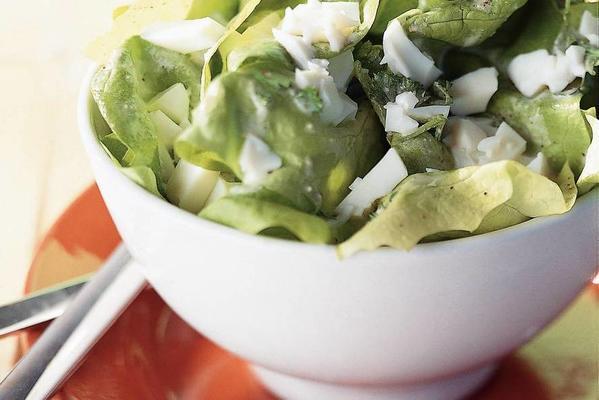 20 minSide dishEggs, lettuce, parsley, olive oil (extra virgin), tarragon vinegar, salt and freshly ground pepper,lettuce with egg dressing
 -
 15 minSmall dishbaking flour, peanut oil, flat leaf parsley,ar'nabit mi'li
 -
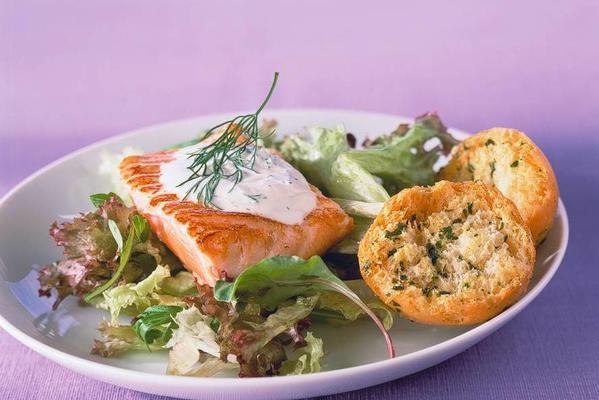 15 minAppetizerScottish salmon fillet, butter or margarine, fresh dill, creme fraiche, dry white wine, arugula lettuce melange, pan tostado,baked salmon with white-wine sauce
Blueberries
-
Blueberries owe their deep color to the high amount of anthocyanins. These substances are thought to have a beneficial effect on our brain and memory. Animal studies have shown that anthocyanins end up in the brain, precisely in the area of memory and learning. And the higher the content there, the smarter the animals were and stayed with age.
Plums
-
You might not look for this purple fruit, but scientific research shows that plums have a very strong antioxidant effect. Perhaps the strongest of all fruits. Beneficial those plums, because antioxidants protect our body against diseases. No more fresh plums for sale? Dried plums and plum jam are also good sources of antioxidants.
-
 25 minMain dishbalsamic vinegar, garlic, steak, Spaghetti, traditional olive oil, fresh green olive tapenade, arugula, Parmigiano Reggiano,spaghetti with steak and arugula
 -
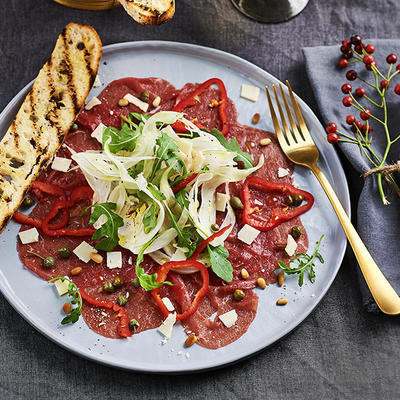 15 minAppetizerfennel bulb, arugula, red pointed pepper, black agnus carpaccio (a 100 grams), capers,black angus carpaccio with fennel
 -
 35 minMain dishsweet potatoes, salad onion, garlic, cooking dairy, grated cheese for vegetable gratin, almond shavings, peanut oil, breaded schnitzels, Broccoli,crispy schnitzel with sweet potato gratin and broccoli
 -
 30 minMain disholive oil, onion, tomato, risotto rice, laurel leaf, thyme, saffron, turmeric, fish stock of 1 tablet, mixed seafood, mixed whitefish fillet, mussel, lemon,fish paella from the oven
Yellow for blood pressure
-
Yellow is good for your blood pressure, because yellow fruit contains the mineral potassium. The potassium kings are yellow melon and bananas.
Honeydew melon
-
An even yellow skin and soft yellow flesh, that characterizes the honeydew melon, also called sugar melon. It is an excellent source of potassium: a honeydew melon contains almost twice as much potassium as the average fruit. Potassium lowers blood pressure, according to scientific research.
-
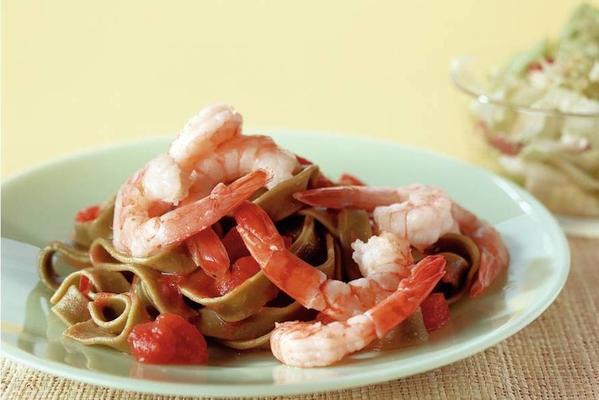 15 minMain dishgreen tagliatelle, garlic, Red pepper, olive oil, tomato cubes, cocktail shrimp, mixed salad, vinaigrette,spicy tagliatelle with shrimps
 -
 50 minMain dishsomething crumbly potatoes, sauerkraut natural, tomato paste, sambal oelek, bacon, semi-skimmed milk, unsalted butter, Gelderse smoked sausage,Sauerkraut with smoked sausage
 -
 20 minBreakfastrucola lettuce, bunch onion, roasted red peppers in pot, traditional olive oil, medium sized egg, fresh cream, grated mature cheese, butter,creamy cheese omelet with arugula
 -
 25 minMain dishceleriac, floury potatoes, olive oil, beef finches, onion, Apple juice, gravy natural, dairy spread,beeffinch with sweet apple gravy
Banana
-
Bananas contain not only a lot of potassium, but also a lot of vitamin B6. In fact, it is the richest source of this vitamin of all fruits and vegetables. Vitamin B6 is versatile and works in tandem with potassium. Both substances play an important role in our sense of touch. This fifth sense is made up of nerve endings that end in the skin. They receive external stimuli, such as the heat of the sun or a gentle touch. Both potassium and vitamin B6 are needed to transmit these stimuli to the brain via the nerves. Potassium and vitamin B6 are also in many foods, so you will not easily run into a deficiency.
Five colors every day
-
The National Cancer Institute in the United States recommends that you vary considerably with the colors. Because every color of fruit contains other unique super healthy substances with the most exotic names. In the United States, therefore, the information campaign â € ˜5 a day, the color wayâ € ™ has been running for years. It calls on Americans to eat as many colored fruits and vegetables as possible. The more colorful, the more healthy substances, or so the idea is. And we can learn something from the Americans, because here we do not get further than an average of two to three colors of fruit and vegetables per day. And one in three people doesn't even make it. The most commonly consumed colors are green, orange, yellow and red. We barely eat purple.