The Health Benefits of Sushi
-
A real night out, at least if you are a fan of this: Sushi at the Japanese. This food has really taken off in the last 10 years.
-
Sushi can now be found in all kinds of forms in the street scene: from super-specialized restaurants where real sushi chefs make the most delicious snacks, up to and including the fast food version. You can sometimes question the quality of this, but that's a whole different story.
-
Sushi can now be found in all kinds of forms in the street scene: from super-specialized restaurants where real sushi chefs make the most delicious snacks, up to and including the fast-food version. You can sometimes question the quality of this, but that's a whole different story.
-
In this article we will take a closer look at what sushi exactly is, where it comes from, what types there are and of course what the sushi can contribute to our health.
-
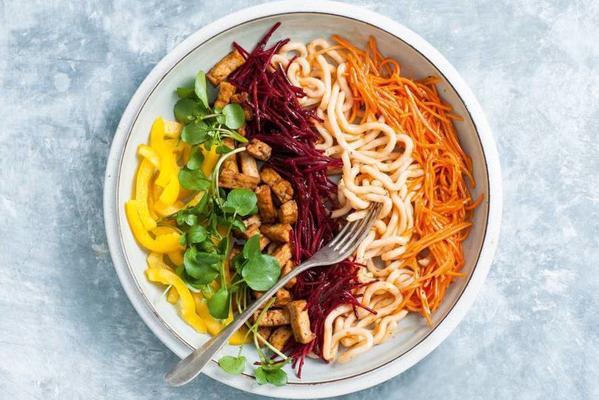 11 minMain dishpeanut oil, tofu stir-fry cubes finely seasoned, stir fry sauce sweet and sour, thick noodles, carrot julienne, beetroot julienne, yellow bell pepper, watercress,rainbow salad with tofu
 -
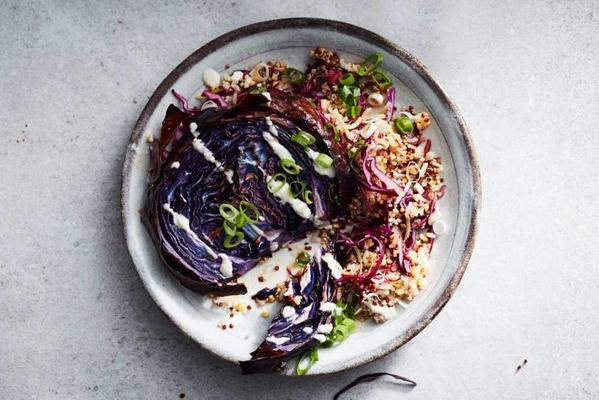 45 minMain dishRed cabbage, mild olive oil, quinoa plus, forest outing, lemon, sesame oil, soy sauce less salt, Bio Today tahini white in pot, tap water,grilled red cabbage with quinoa salad
 -
 30 minDessertBrie, Roquefort, port salut, gruyere, Camembert, walnut, garlic, thyme, honey, grape, baguette, Red onion, red grape, raisins, Red wine, Red wine vinegar, Brown sugar,generous cheese plate with onion marmalade
 -
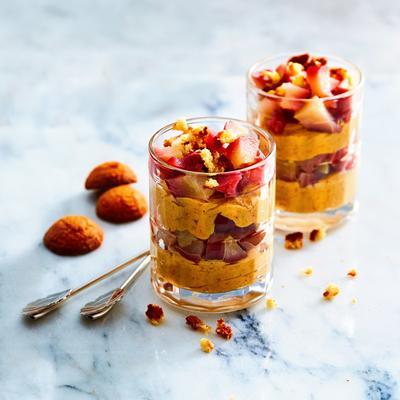 30 minDessertFull Milk, whipped cream, macaroon, custard powder, vanilla sugar, sugar, protein, amaretto, almond liqueur, basic recipe cooking pears,macaroon pastry with casserole
The history of sushi
-
Sushi may be fairly new in the Western world, but the history of sushi dates back to the 4 th century before the beginning of our era. At that time, in Southeast Asia, it was not yet perfectly possible to preserve freshwater fish for a longer period of time. That is why the fish was placed in boiled rice.
-
Due to the fermentation process of the rice, the fish remained fresh and could be stored for a year in this way. In those days, unlike now, the rice was thrown away and only the fish eaten. The taste of the fish was fine, so this technique soon spread via China to Japan.
-
Due to the fermentation process of the rice, the fish remained fresh and could be stored for up to a year in this way. Unlike now, in those days the rice was thrown away and only the fish eaten. The taste of the fish was fine, so this technique soon spread via China to Japan.
-
In Japan it was done differently. There they liked to eat rice with the fish, so the rice was no longer thrown away but eaten with the fish. In a later time, we now speak of the 16th century, the fish was even eaten before the fermentation process of the rice had started. The rice had a slightly sour taste, which was not equally popular with everyone. That is why the combination of fish and rice was primarily a dish for the poor at first.
-
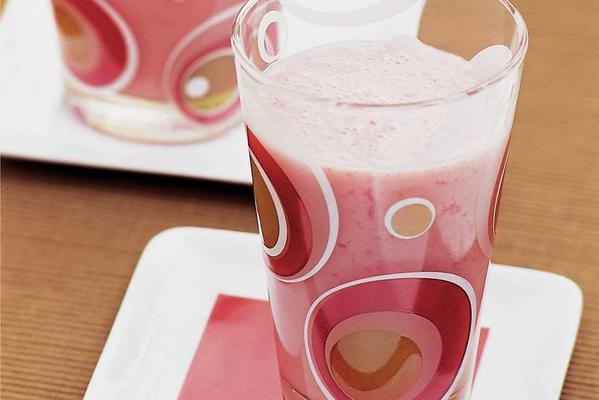 5 minDrink without alcoholbananas, cool fresh apple-pear raspberry juice, Soy drink vanilla,soy fruit shake
 -
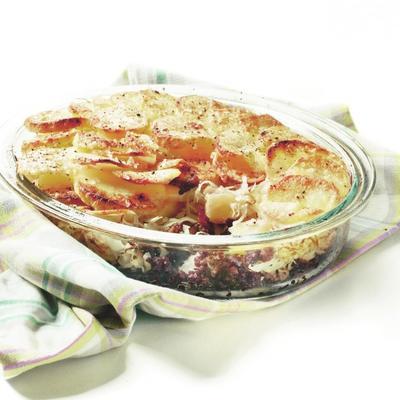 20 minMain dishsauerkraut, sticking potato, liquid baking product, half-to-half minced, Spice meatballs, pineapple, olive oil, liquid baking product,gratin sauerkraut dish with minced meat
 -
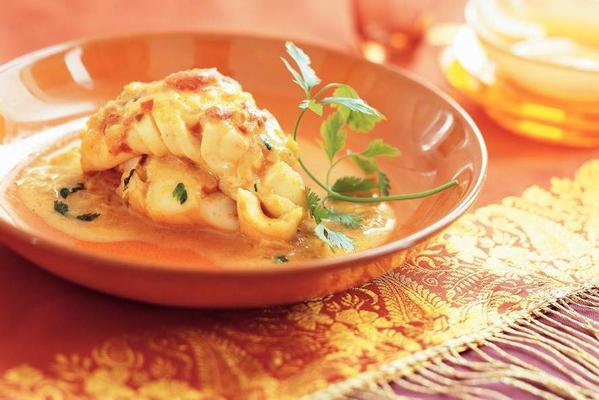 40 minMain dishlemongrass, fresh ginger, Red peppers, onions, tomato cubes, fresh cod fillet, coriander, oil, ground turmeric (koenjit), coconut milk, salt,fish in creamy coconut sauce
 -
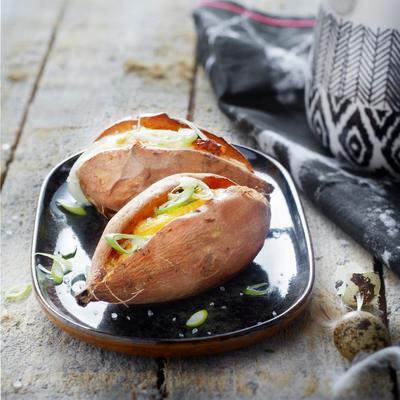 15 minSide dishsweet potato, soft goat cheese, egg, spring / forest onion,stuffed sweet potato with egg
-
Later rice vinegar was added to the rice. This improved the yeast smell, the taste remained the same and the fermentation of the rice could eventually be completely skipped.
-
In the 18th century, the Japanese in Edo (now known as Tokyo) started selling small scoops of rice on the street, topped with a piece of fish. This variant is now known under the name Nigiri Sushi. More and more variants were created by using all kinds of fish and vegetables.
-
In the 18th century, the Japanese in Edo (now known as Tokyo) started selling small scoops of rice on the street, topped with a piece of fish. This variant is now known under the name Nigiri Sushi. More and more variants arose through the use of all kinds of fish and vegetables.
-
Sushi, in all its varieties, became increasingly popular as a snack to eat in between, because everyone was busy and had little time. After the massive earthquake of 1923, Edo was completely destroyed and sushi makers spread all over the country, along with the knowledge of sushi making.
-
The sushi, in all its variants, became more and more popular as a snack to eat in between, because everyone was busy and had little time. After the massive earthquake of 1923, Edo was completely destroyed and sushi makers spread all over the country, along with the knowledge of sushi making.
-
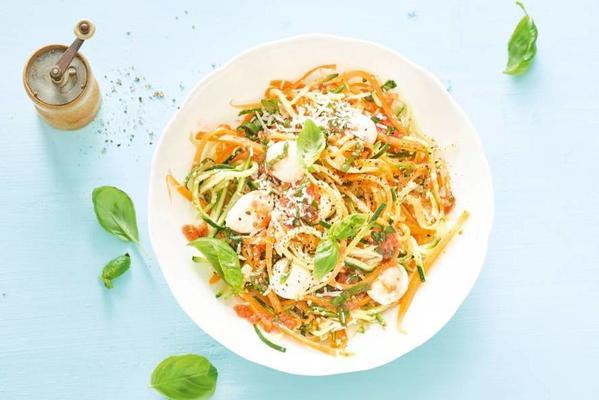 20 minMain dishTasty vine tomato, (olive oil, fresh basil, onion, garlic, Parmigiano Reggiano, zucchini spaghetti, pumpkin spaghetti, mini buffalo mozzarella,lukewarm pumpkin and zucchini spaghetti
 -
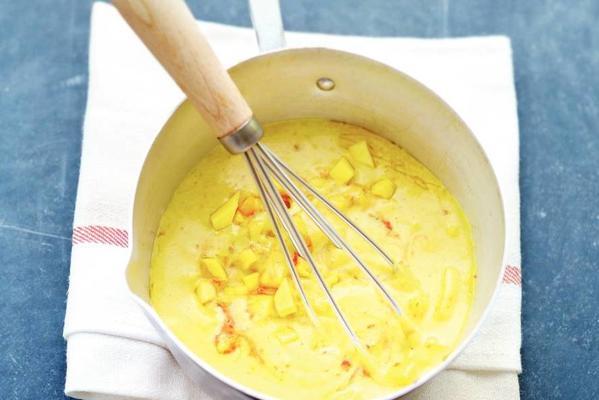 15 minSide dishtraditional olive oil, curry powder, wheat flour, coconut milk, sambal oelek, chicken broth tablet, water, fresh mango,curry sauce with mango
 -
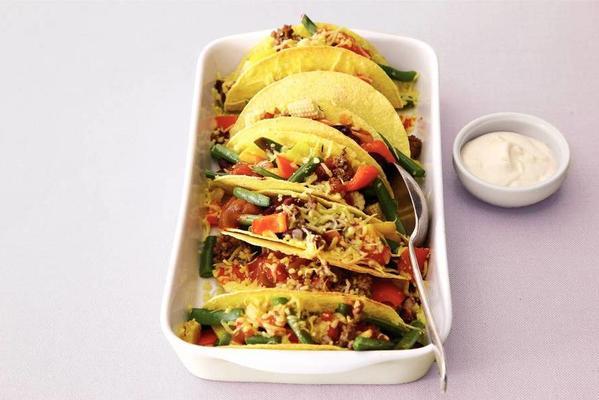 30 minMain dishtraditional olive oil, lean ground beef, frozen Mexican wok vegetables, salsa sauce mild, taco shell, grated young cheese, creme fraiche,Mexican vegetable in tacos
 -
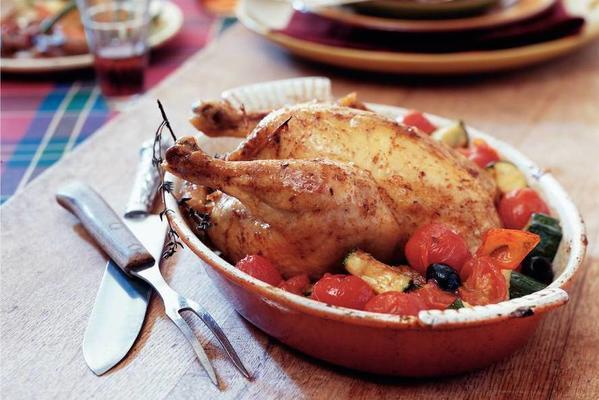 95 minMain dishmaize chicken, lemon, coarse sea salt, pepper, extra virgin olive oil, garlic, thyme, zucchini, tomatoes (small to), black olives without pit,provençal chicken with zucchini and tomatoes
-
[!Pullquote] From 1950 the sushi spread to America and later also to Europe. [!/ Pullquote]
-
Over time, various local variants of the sushi emerged. For example, the Uramaki was created in California (America), and even the Sushi-Pizza was created in Canada.
-
Over time, various local variants of the sushi arose. For example, the Uramaki was created in California (America), and in Canada even the Sushi-Pizza was born.
-
Nowadays sushi is still made by hand in restaurants, but that comes with a price tag. There are also machines that can make sushi in a fast, hygienic, efficient and therefore cheap way. You can also buy sushi ready-made in the supermarket, usually for a considerably lower price. Remember that quality and taste always comes at a price!
-
Nowadays sushi is still made by hand in restaurants, but it comes with a price. There are now also machines that can make sushi in a fast, hygienic, efficient and therefore cheap way. You can also buy sushi ready-made in the supermarket, usually for a considerably lower price. Remember that quality and taste always comes at a price!
-
The best sushi can still be found in a restaurant with a real sushi chef!
The ingredients and their health benefits
-
In order to understand the health benefits of sushi, we have to dissect them. In general, the sushi consists of a maximum of 4 parts:
-
The vegetable used in sushi is generally a well-known vegetable that we normally eat. In most cases there is nothing Japanese about that. The most commonly used vegetables are avocado, carrots, soybeans, asparagus, corn and cucumber.
-
Needless to say, fresh vegetables are very healthy, mainly due to the presence of anti-oxidants. These antioxidants are able to neutralize the free radicals in your body.
-
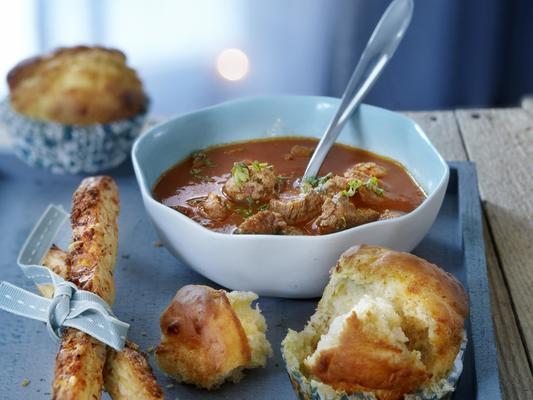 25 minSmall dishflour, frozen puff pastry, egg, milk, walnut, mature cheese, paprika, dried Provençal herbs,puff pastry-sticks
 -
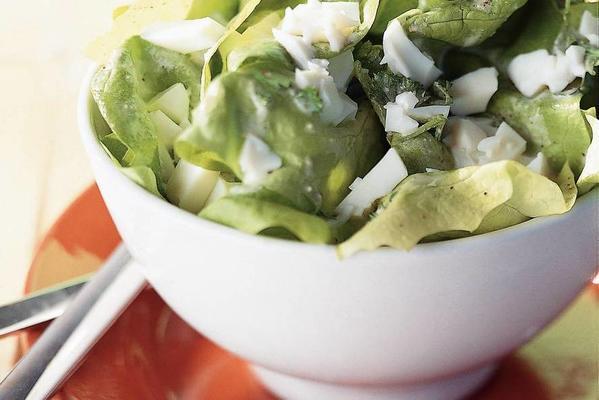 20 minSide dishEggs, lettuce, parsley, olive oil (extra virgin), tarragon vinegar, salt and freshly ground pepper,lettuce with egg dressing
 -
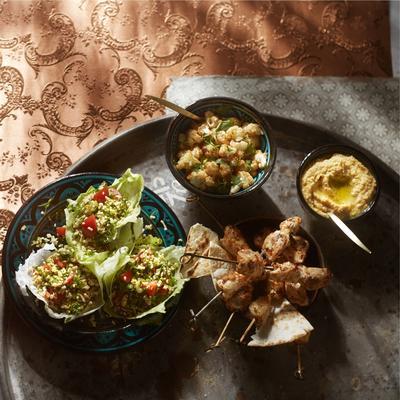 15 minSmall dishbaking flour, peanut oil, flat leaf parsley,ar'nabit mi'li
 -
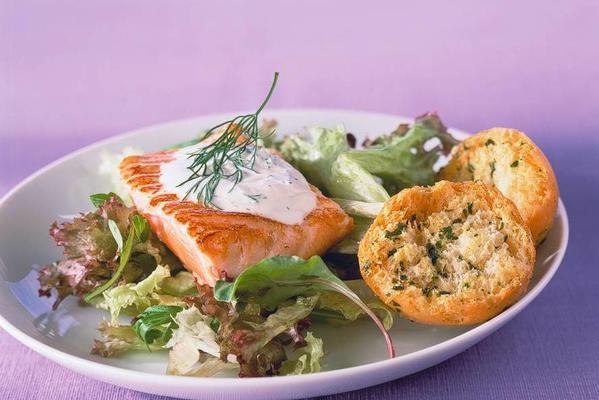 15 minAppetizerScottish salmon fillet, butter or margarine, fresh dill, creme fraiche, dry white wine, arugula lettuce melange, pan tostado,baked salmon with white-wine sauce
-
Besides rice, sushi is best known for the use of raw fish. It is precisely this ingredient that most people really dislike and therefore definitely do not eat sushi. Fish is not used in all sushi, and in some cases it is not always raw.
-
For example, only sea fish is used for raw fish. Eating freshwater fish raw is not smart because of the possible presence of parasites and other pests.
-
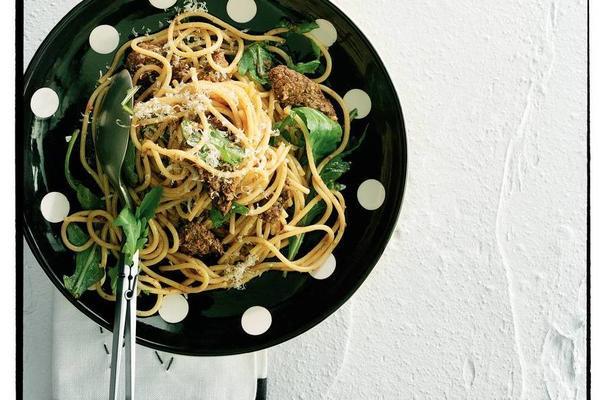 25 minMain dishbalsamic vinegar, garlic, steak, Spaghetti, traditional olive oil, fresh green olive tapenade, arugula, Parmigiano Reggiano,spaghetti with steak and arugula
 -
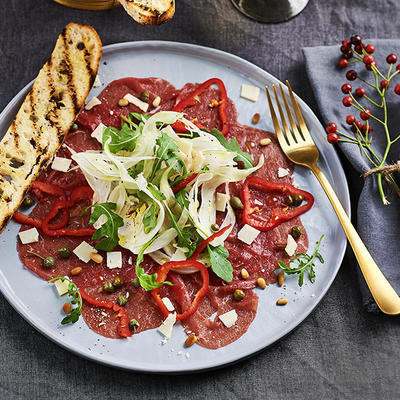 15 minAppetizerfennel bulb, arugula, red pointed pepper, black agnus carpaccio (a 100 grams), capers,black angus carpaccio with fennel
 -
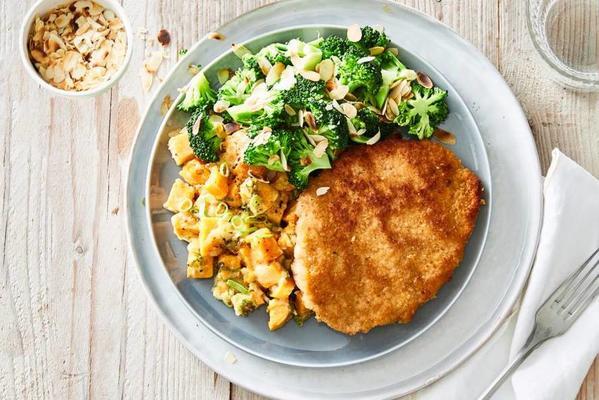 35 minMain dishsweet potatoes, salad onion, garlic, cooking dairy, grated cheese for vegetable gratin, almond shavings, peanut oil, breaded schnitzels, Broccoli,crispy schnitzel with sweet potato gratin and broccoli
 -
 30 minMain disholive oil, onion, tomato, risotto rice, laurel leaf, thyme, saffron, turmeric, fish stock of 1 tablet, mixed seafood, mixed whitefish fillet, mussel, lemon,fish paella from the oven
-
That's why freshwater fish is always fried before it is used in the sushi. The most commonly used fish for sushi are mackerel, tuna and salmon.
-
Fish is an important health product. Fish, and seafood in general, are an important source of omega-3 fats. These fats are the best fats imaginable for your body and your health. The nutrition center recommends eating fish at least once a week, and preferably twice a week.
-
Most people will often recognize sushi by the green skin that keeps the rice and fish together. This sheet is a completely natural product and is 'normal' seaweed. In the old days, this seaweed was simply fished out of the water in the harbor, dried and processed into sushi. Nowadays there is a very large industry that does nothing more than cultivate, dry and process seaweed into manageable sheets for the sushi industry.
-
This seaweed, called Nori, is used because of the typical fish flavor that this seaweed has. The fish flavor of the sushi comes not so much from the raw fish, but from the seaweed.
-
Nori is a rich source of vitamins and minerals. The seaweed is a completely natural product and contains iron, phosphorus, calcium and vitamins K, E, C, B12, B6, B2 and B1. Needless to say, all of this is very good for your body.
-
Botan rice or glutinous rice is generally used for sushi. Due to the sticky structure, it sticks nicely and in this way you can shape the small snacks without them falling apart on the plate or during dinner. Unfortunately, Botan rice is actually plain white rice, so it has been completely stripped of its fiber and thus most of its health benefits.
-
What remains is a low-calorie, filling mass that makes you feel full quickly. But appearances can be deceiving, because rice is digested quite quickly by the stomach, so that the carbohydrates are absorbed very quickly by the body, causing the blood sugar level to rise.
-
It is better to eat sushi with brown rice or another type of rice that has not been stripped of the fiber. But since this is not sticky, it will probably never be on the market. So the rice part of the sushi is not very bad for your health, but there are no benefits either. The taste of the rice is very slightly sour due to the use of rice vinegar. Also, a sweet rice wine and a little salt is often added to the rice.
-
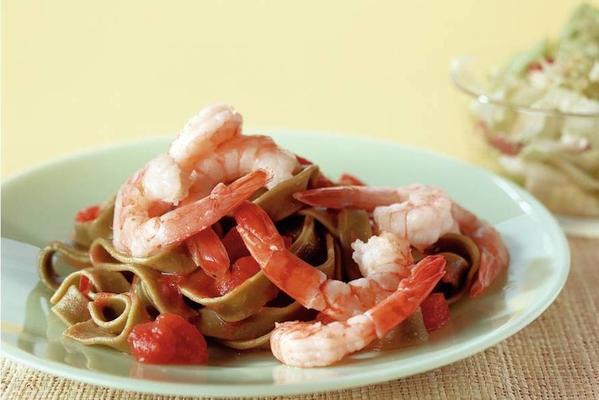 15 minMain dishgreen tagliatelle, garlic, Red pepper, olive oil, tomato cubes, cocktail shrimp, mixed salad, vinaigrette,spicy tagliatelle with shrimps
 -
 50 minMain dishsomething crumbly potatoes, sauerkraut natural, tomato paste, sambal oelek, bacon, semi-skimmed milk, unsalted butter, Gelderse smoked sausage,Sauerkraut with smoked sausage
 -
 20 minBreakfastrucola lettuce, bunch onion, roasted red peppers in pot, traditional olive oil, medium sized egg, fresh cream, grated mature cheese, butter,creamy cheese omelet with arugula
 -
 25 minMain dishceleriac, floury potatoes, olive oil, beef finches, onion, Apple juice, gravy natural, dairy spread,beeffinch with sweet apple gravy
-
Besides the sushi itself, there are also a few sauces that are definitely worth mentioning:
-
You can, if you wish, dip the sushi in the sauce and eat it afterwards. In most restaurants you can often choose from two or more variants. Usually the regular version and a sweeter version. Soy sauce is good for blood vessels and bones.
-
But if you eat too much soy sauce, it rents certain enzymes in your body, it can cause poor digestion and mess up hormones completely. An excess of soy in general causes a lower testosterone level, in other words a lower libido and therefore no sex drive.
-
In earlier times this was even used extensively in the diet of monks to suppress the sexual appetites, which of course were not desired. So don't overdo it with the soy!
-
When the waiter brings the plate of sushi, you always see an indefinable pile of green stuff lying in a corner of the plate. Have you ever tasted it? Then you probably drank a few glasses of water afterwards! Wasabi is an extremely spicy sauce that you have to eat with extremely small amounts. Not because it is dangerous, but the sharp taste is very extreme. The wasabi sauce is known for its antibacterial effect.
Tip: choosing a sushi restaurant
-
Sushi restaurants and bars are sprouting like mushrooms everywhere. Unfortunately, not all sushi places are equally well attended, which poses a threat to the fresh ingredients. Before booking, make sure that the restaurant is well attended, so that the ingredients rotate quickly in the kitchen.
-
It certainly wouldn't be the first time someone has contracted food poisoning from eating spoiled sushi due to the fresh ingredients, or the sushi itself, being left out of the refrigerator for too long.]