All about Dairy part 1: Know your dairy products!
-
Do you remember Joris Driepinter? In the 1960s and 1970s, the drawn figure was supposed to encourage everyone to drink at least three glasses of milk a day. Joris proved the usefulness of this by performing strong feats, including lifting an elephant. Kind of like Popeye, but with milk instead of spinach.
-
In the meantime, a wide debate has arisen as to whether milk, and dairy in general, is indispensable in a healthy diet. In fact, there are those who claim that in some ways milk is bad for your health. As a counterbalance, the Dutch Dairy Agency has taken Joris Driepinter back from the stable since 2010 to convince everyone that milk is healthy.
-
In the meantime, a wide debate has arisen as to whether milk, and dairy in general, is indispensable in a healthy diet. In fact, there are those who claim that milk is in some ways bad for your health. As a counterbalance, the Dutch Dairy Agency has taken Joris Driepinter back from the stable since 2010 to convince everyone that milk is healthy.
-
In this three-part special, we are going to list all the facts about dairy.
-
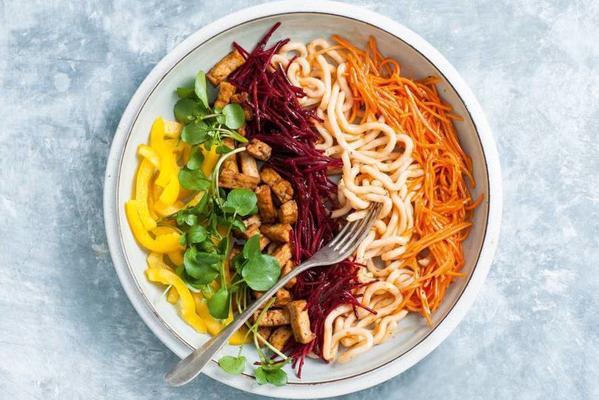 11 minMain dishpeanut oil, tofu stir-fry cubes finely seasoned, stir fry sauce sweet and sour, thick noodles, carrot julienne, beetroot julienne, yellow bell pepper, watercress,rainbow salad with tofu
 -
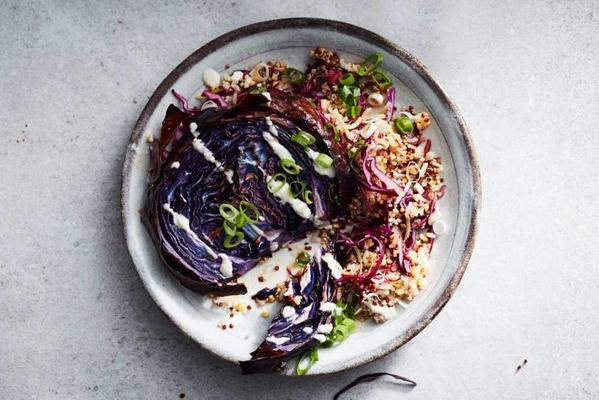 45 minMain dishRed cabbage, mild olive oil, quinoa plus, forest outing, lemon, sesame oil, soy sauce less salt, Bio Today tahini white in pot, tap water,grilled red cabbage with quinoa salad
 -
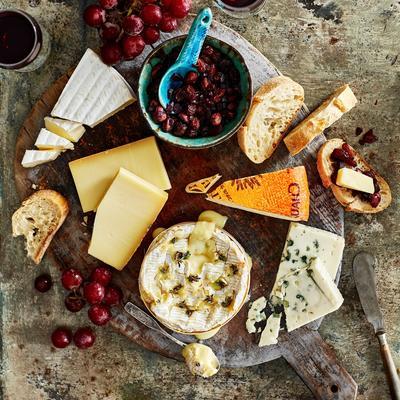 30 minDessertBrie, Roquefort, port salut, gruyere, Camembert, walnut, garlic, thyme, honey, grape, baguette, Red onion, red grape, raisins, Red wine, Red wine vinegar, Brown sugar,generous cheese plate with onion marmalade
 -
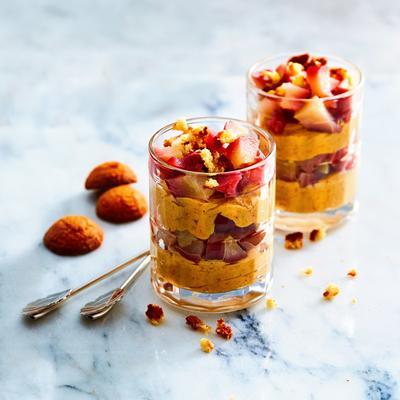 30 minDessertFull Milk, whipped cream, macaroon, custard powder, vanilla sugar, sugar, protein, amaretto, almond liqueur, basic recipe cooking pears,macaroon pastry with casserole
-
In this first part we are going to take a closer look at the different dairy products, because many people do not know what exactly custard is. Or where exactly buttermilk comes from.
-
In this first part we will take a closer look at the different dairy products, because many people do not know exactly what custard is. Or where exactly buttermilk comes from.
-
Volume 2 In the second part we will look at the nutrients in the milk and in the last part we will look more specifically at the differences in some dairy products.
-
We are clearly not going to judge whether or not dairy products are healthy, but we will give you as much information as possible so that you can draw your own conclusions.
-
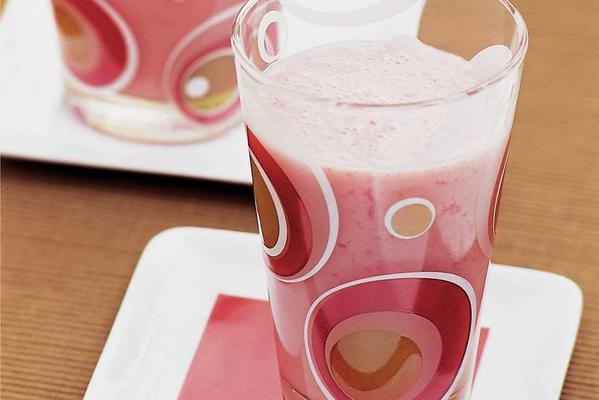 5 minDrink without alcoholbananas, cool fresh apple-pear raspberry juice, Soy drink vanilla,soy fruit shake
 -
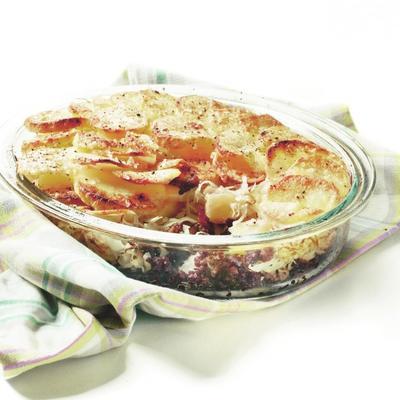 20 minMain dishsauerkraut, sticking potato, liquid baking product, half-to-half minced, Spice meatballs, pineapple, olive oil, liquid baking product,gratin sauerkraut dish with minced meat
 -
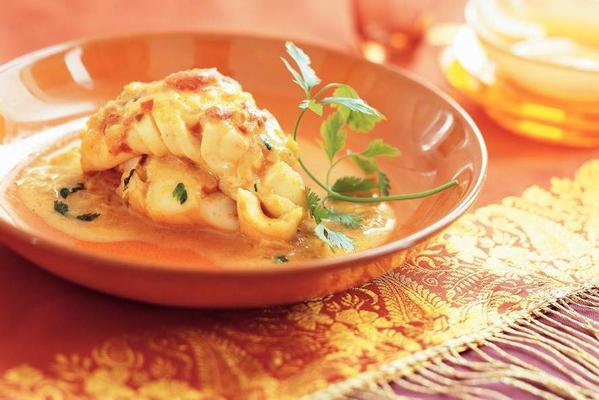 40 minMain dishlemongrass, fresh ginger, Red peppers, onions, tomato cubes, fresh cod fillet, coriander, oil, ground turmeric (koenjit), coconut milk, salt,fish in creamy coconut sauce
 -
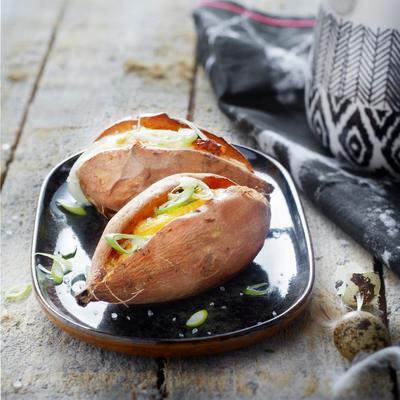 15 minSide dishsweet potato, soft goat cheese, egg, spring / forest onion,stuffed sweet potato with egg
-
Let's first see how milk, the basis for all dairy products, is made.
Milk
-
The production of milk naturally starts at the base: the Cows that are in the field, or in the stable, are eating while they produce 2 buckets of milk every day. Did you know that a cow eats an average of 80 kilos of grass per day and drinks 100 liters of water to make these two buckets of milk?
-
The production of milk starts of course at the base: the Cows that are in the field, or in the stable, are eating while they produce 2 buckets of milk every day. Did you know that a cow eats an average of 80 kilos of grass per day and drinks 100 liters of water to make these two buckets of milk?
-
This same cow is milked twice a day after which the raw milk, still on the farm, is stored in cooling tanks. Once every three days, the customer comes by with a tanker to transport the milk to the manufacturer. There the milk is processed into the product that we, if all goes well, drink every day.
-
This same cow is milked twice a day after which the raw milk, still on the farm, is stored in cooling tanks. Once every three days, the customer comes by with a tanker to transport the milk to the manufacturer. There the milk is processed into the product which we, if all goes well, drink daily.
-
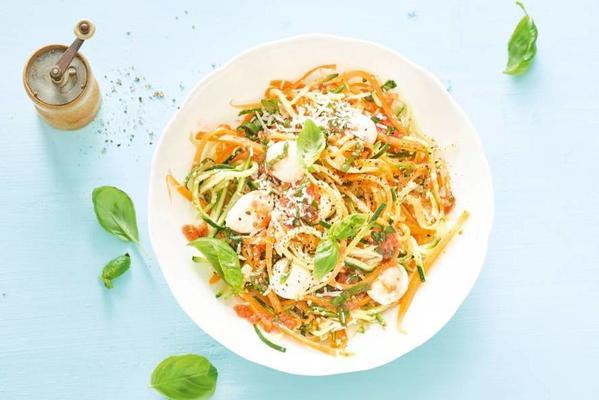 20 minMain dishTasty vine tomato, (olive oil, fresh basil, onion, garlic, Parmigiano Reggiano, zucchini spaghetti, pumpkin spaghetti, mini buffalo mozzarella,lukewarm pumpkin and zucchini spaghetti
 -
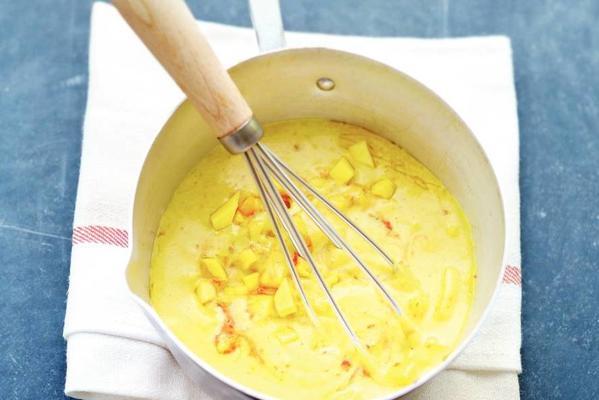 15 minSide dishtraditional olive oil, curry powder, wheat flour, coconut milk, sambal oelek, chicken broth tablet, water, fresh mango,curry sauce with mango
 -
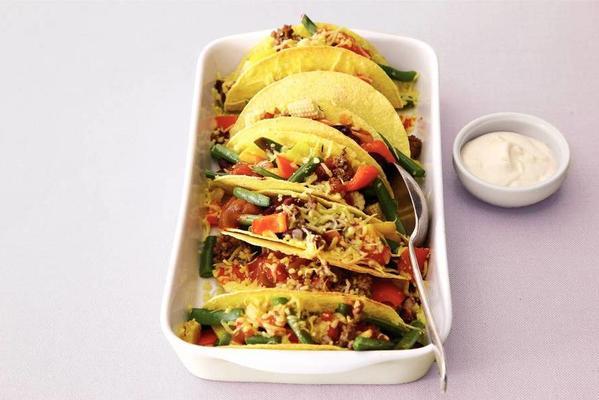 30 minMain dishtraditional olive oil, lean ground beef, frozen Mexican wok vegetables, salsa sauce mild, taco shell, grated young cheese, creme fraiche,Mexican vegetable in tacos
 -
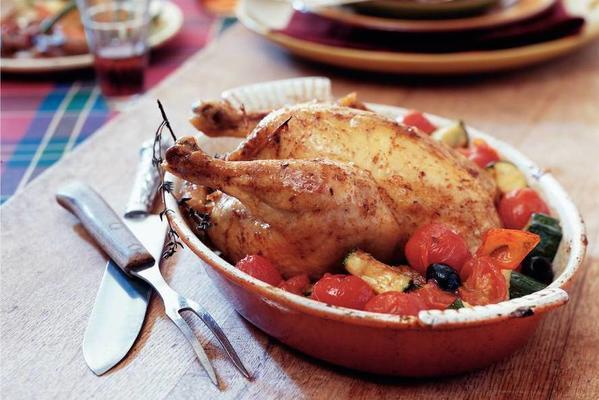 95 minMain dishmaize chicken, lemon, coarse sea salt, pepper, extra virgin olive oil, garlic, thyme, zucchini, tomatoes (small to), black olives without pit,provençal chicken with zucchini and tomatoes
-
In the factory, the raw raw milk is processed a few times, so that it has a longer shelf life and is suitable for consumption.
Pasteurization
-
All milk that arrives at the factory is first treated with heat to kill the harmful bacteria. These are bacteria that can potentially be harmful to public health, but also bacteria that can spoil the milk. This means that the milk can be kept longer after pasteurization.
-
The milk is briefly heated to a temperature of 72 degrees Celsius. This does not kill all bacteria, but does not or hardly affect the taste and nutritional value of milk.
-
This is in contrast to sterilization, which takes place at a temperature of more than 100 degrees. The taste and nutritional value of the milk will deteriorate considerably. The milk can then be kept for an extremely long time. The pasteurization process is named after the French chemist Louis Pasteur who discovered that bacteria cannot withstand high temperatures.
-
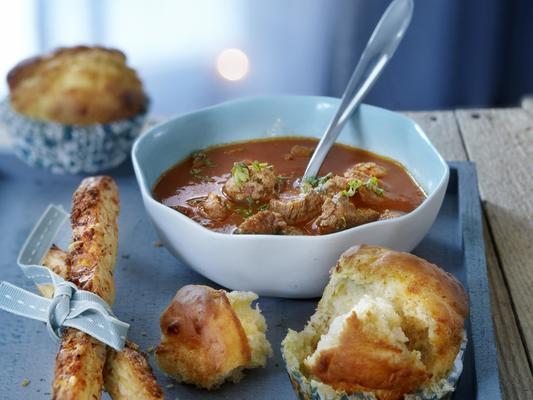 25 minSmall dishflour, frozen puff pastry, egg, milk, walnut, mature cheese, paprika, dried Provençal herbs,puff pastry-sticks
 -
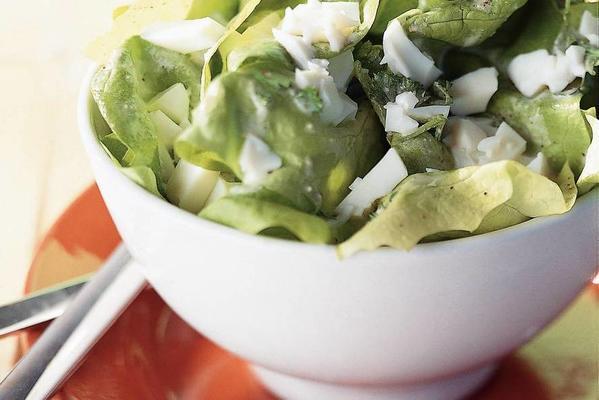 20 minSide dishEggs, lettuce, parsley, olive oil (extra virgin), tarragon vinegar, salt and freshly ground pepper,lettuce with egg dressing
 -
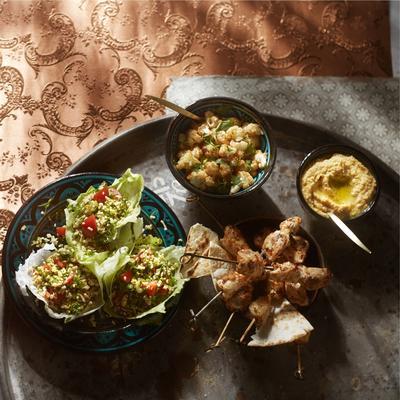 15 minSmall dishbaking flour, peanut oil, flat leaf parsley,ar'nabit mi'li
 -
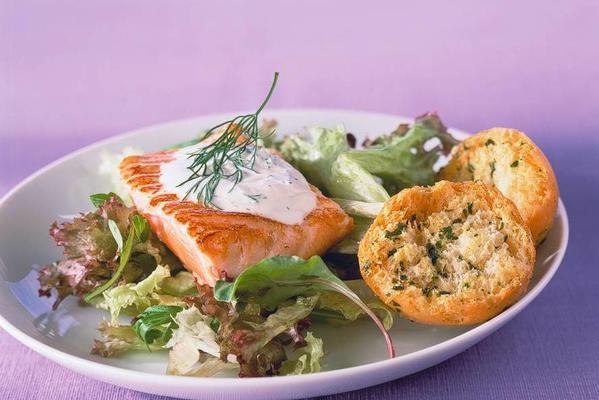 15 minAppetizerScottish salmon fillet, butter or margarine, fresh dill, creme fraiche, dry white wine, arugula lettuce melange, pan tostado,baked salmon with white-wine sauce
-
Educational tip: Buy a carton of sterilized milk and a carton of pasteurized milk and have a tasting with the whole family. You can clearly taste the difference!
Creaming
-
The raw milk from the cow contains 3% -6% fat, depending on the season. To reduce this fat percentage for semi-skimmed and skimmed milk, the milk is centrifuged. This removes the fat, or cream, from the milk. This cream is used in a different production process for butter or whipped cream, for example.
-
According to the Commodities Act, whole milk must contain at least 3.5% fat, semi-skimmed milk at least 1.5%, and skimmed milk must contain a maximum of 0.5% fat.
-
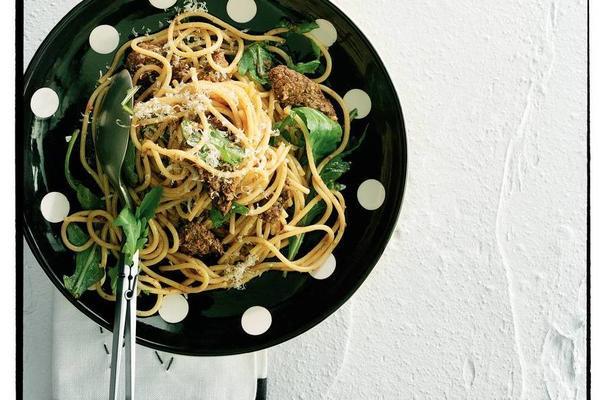 25 minMain dishbalsamic vinegar, garlic, steak, Spaghetti, traditional olive oil, fresh green olive tapenade, arugula, Parmigiano Reggiano,spaghetti with steak and arugula
 -
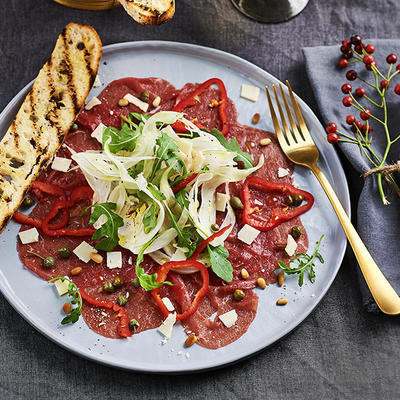 15 minAppetizerfennel bulb, arugula, red pointed pepper, black agnus carpaccio (a 100 grams), capers,black angus carpaccio with fennel
 -
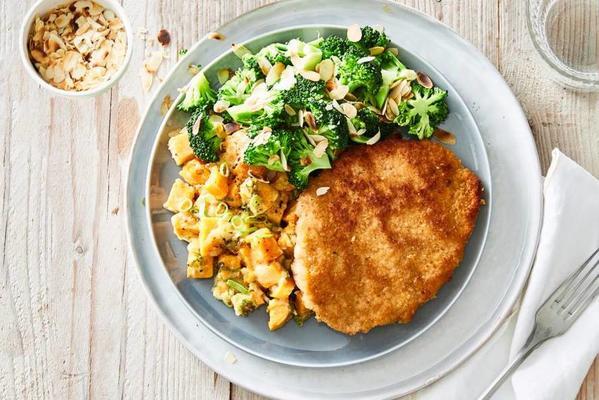 35 minMain dishsweet potatoes, salad onion, garlic, cooking dairy, grated cheese for vegetable gratin, almond shavings, peanut oil, breaded schnitzels, Broccoli,crispy schnitzel with sweet potato gratin and broccoli
 -
 30 minMain disholive oil, onion, tomato, risotto rice, laurel leaf, thyme, saffron, turmeric, fish stock of 1 tablet, mixed seafood, mixed whitefish fillet, mussel, lemon,fish paella from the oven
Homogenize
-
Regardless of the type of milk, full / semi-skimmed or skimmed, cream always remains in the milk. Once the milk is in the package, the milk is homogenized to prevent the cream from floating to the surface. The milk is pressed through very small holes under the influence of high pressure.
-
This makes the fat globules much smaller and no longer float to the surface when the milk is standing still for a long time. All cream is therefore evenly (homogeneously) distributed over the milk. Incidentally, this milk, which is not homogenized, is not bad for health. It is only a visual treatment, because people don't like to see a glass of milk with a layer of cream floating on it.
-
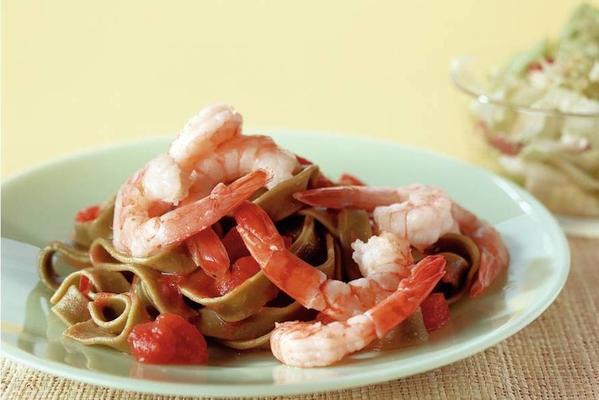 15 minMain dishgreen tagliatelle, garlic, Red pepper, olive oil, tomato cubes, cocktail shrimp, mixed salad, vinaigrette,spicy tagliatelle with shrimps
 -
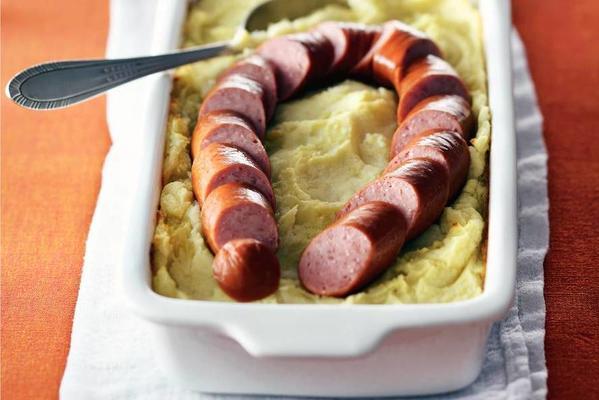 50 minMain dishsomething crumbly potatoes, sauerkraut natural, tomato paste, sambal oelek, bacon, semi-skimmed milk, unsalted butter, Gelderse smoked sausage,Sauerkraut with smoked sausage
 -
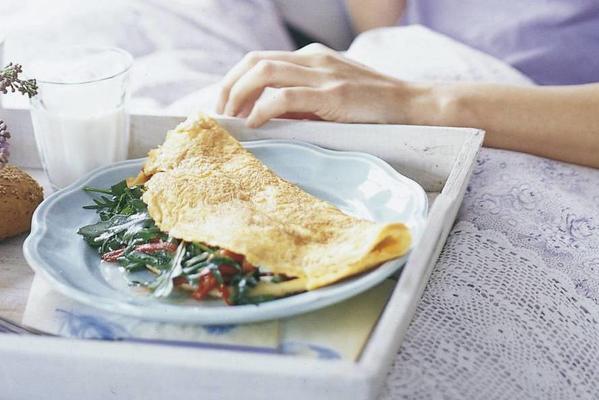 20 minBreakfastrucola lettuce, bunch onion, roasted red peppers in pot, traditional olive oil, medium sized egg, fresh cream, grated mature cheese, butter,creamy cheese omelet with arugula
 -
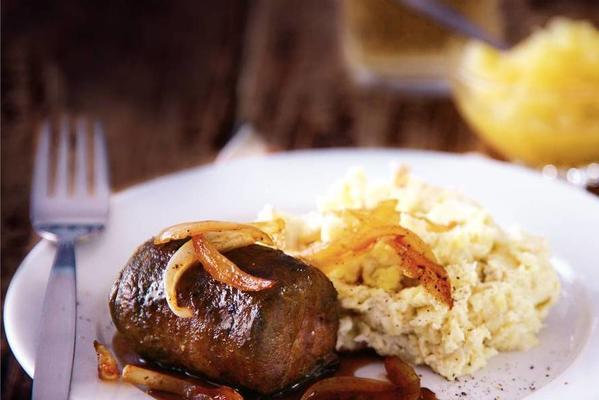 25 minMain dishceleriac, floury potatoes, olive oil, beef finches, onion, Apple juice, gravy natural, dairy spread,beeffinch with sweet apple gravy
Packaging and transport
-
After these treatments, the milk is packed in a controlled environment and transported to the store where you can buy the milk. Packaging is done in cardboard, plastic or glass. Some are more environmentally friendly than others, but that's a whole different story.
-
From this milk, which is used as a base, numerous dairy products can be made. Below is a small selection of the most popular dairy products in the Netherlands.
Yogurt
-
Yogurt is one of the milk-based products to which lactic acid bacteria are added to achieve controlled fermentation and acidification. First, the milk is heated, after which the lactic acid bacteria are added to the milk.
-
This whole remains under a constant temperature for 4-16 hours (depending on the desired result), during which the bacteria thicken and acidify the milk. Then it is cooled and the yogurt is ready.
There are two types of yoghurt:
-
Stand-on yogurt is prepared at a temperature of 45 degrees Celsius and is ready in 4-6 hours. This yogurt has a firm structure, but stirring will damage the structure and make it more liquid.
-
Stirred yogurt is made at a lower temperature. At 31-32 degrees Celsius, the fermentation is completed in 10-16 hours. This lower temperature also creates mucilaginous compounds that ensure that the yogurt is and remains firm, even after stirring. This yogurt also has a smoother texture.
-
The latter variety is the most common in the Netherlands, mainly because it is easier and faster to make. In many other countries, standing yogurt is much more common.
-
With a number of yogurts, water is extracted from the product to make it thicker, creamier and tastier. A nice Dutch example of this is Hangop. The solids content has also been increased in this way in Greek yogurt.
Custard
-
Custard is traditionally made from boiled milk with custard and sugar, or with a combination of cornstarch, eggs, sugar and vanilla. The store-bought custard is generally thickened using other, less healthy, thickening agents.
-
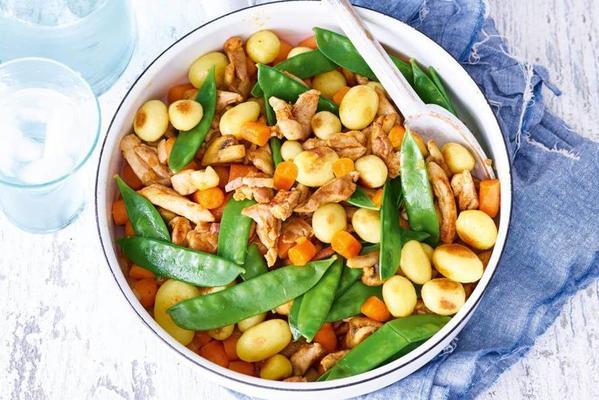 25 minMain dishthin bacon strips, onion, chicken fillet, smoked paprika, chestnut mushrooms, traditional olive oil, chilled little newborns, fresh carrots and snow peas,free-range chopsticks with mixed vegetables
 -
 15 minSnackflatbread, Mango Chutney, smoked duck breast, cress,oriental duck
 -
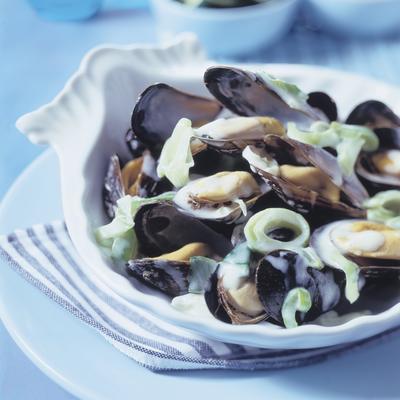 20 minMain dishmussel, butter, leeks, White wine, water, creme fraiche,normandy mussels in cream sauce
 -
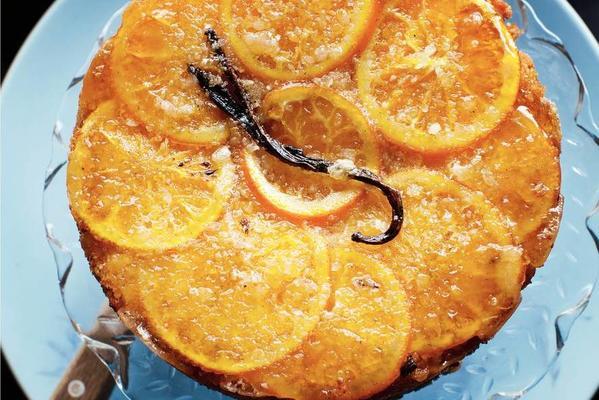 65 minDessertsugar, vanilla bean, oranges, almond shavings, butter, Eggs, vanilla sugar, self-raising flour,orange-almond pie
-
Although custard is a typical Dutch product, it has also been eaten in Germany for a while under the name Vla or Pudding. France also has its custard in the form of Custard. The thick version of this is the basis for the French delicacy Crème Brà »là © e.
-
Custard is always distinctly yellow, while the ingredients do not tend towards this color, except for the egg yolks. It has turned out that the users feel that custard should be yellow. So the yellow color only comes from artificial colors and has nothing to do with the ingredients.
-
Gourmet tip: Make your own vanilla custard. In part three of this dairy special you will find a simple, but good recipe. It's not much work, but with a fantastic result: You don't know what you're tasting!
Cheese
-
The Netherlands, lâ € ™ autre pays du fromage, is a large cheese country. Cheese consumption per capita of the Dutch population is more than 17 kilos per year!
-
By adding rennet and starter culture to milk, the proteins in the milk will clump together, trapping the fat and moisture. In this way so-called curd is created. This curd is pressed and immersed in salt water. The taste and quality of the cheese is determined by the duration of the ripening.
-
This can vary from 4 weeks to more than a year. To indicate this ripening period, the manufacturers have coined a number of terms:
-
To give the cheese a specific taste, herbs and / or spices such as cloves, cumin, mustard, sambal, pesto, chives or nettle are added during the production process.
-
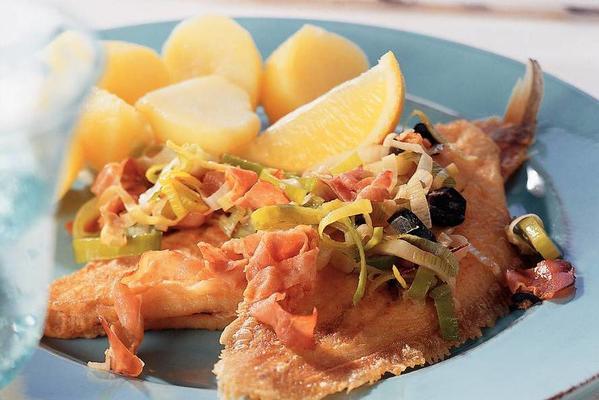 25 minMain dishflour, slip tongues, olive oil, garlic, leeks, raw ham, black olives without pit, lemon,fried sole with ham and leek
 -
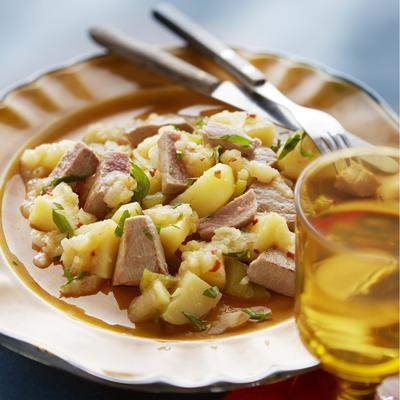 40 minMain dishgreen pepper, extra virgin olive oil, spring / forest onion, garlic, sticking potato, chilli pepper flakes, deep-frozen mine, flat leaf parsley,marmitako
 -
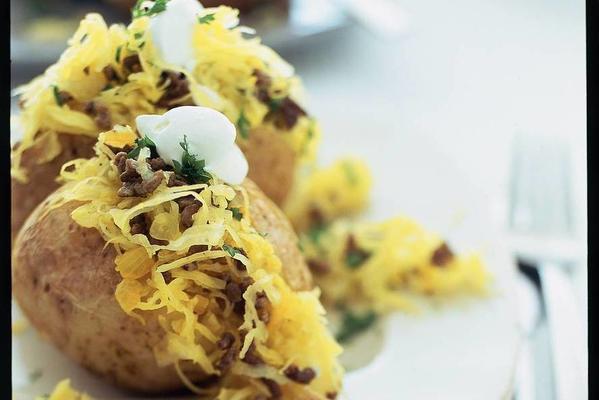 65 minMain dishpotatoes, olive oil, onion, garlic, minced beef, sauerkraut, curry powder, sour cream, parsley,potatoes stuffed with sauerkraut beef
 -
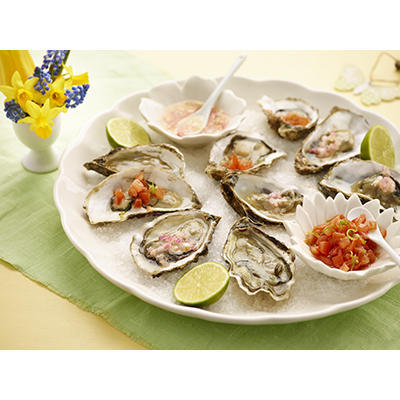 85 minSide dishshallot, White wine vinegar, red silver onions of tomatoes, limes juice and grater, oysters, sea salt,raw oysters with two toppings
Butter
-
The cream, which we have as a â € ˜by-productâ € ™ of the milk production described above, is churned. This means that the cream is whipped, causing the fat particles to stick together even more, making the cream more concentrated. After this process you are left with butter and buttermilk.
-
The buttermilk is sold as a â € by-productâ € ™ like the buttermilk we find in the supermarket. The butter is pressed further and kneaded to remove as much excess moisture as possible and to distribute the rest evenly over the butter. Finally, lactic acid bacteria are added to the butter to obtain the desired aroma. As a final product, the butter has a fat content of about 80%.
-
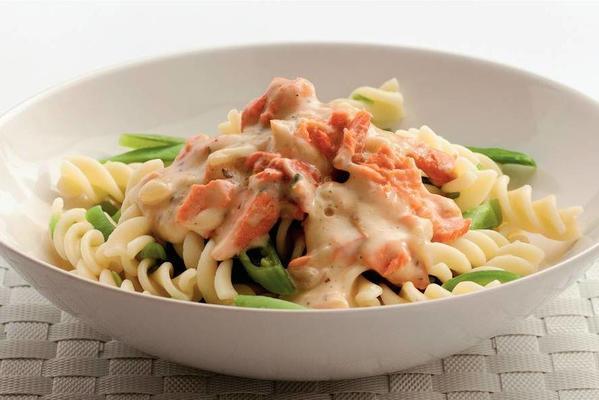 20 minMain dishfusilli, frozen haricot beans, onion, olive oil, semi-skimmed milk, water, mix for tagliatelle cream sauce, pink salmon in a tin,fusilli with salmon and string beans
 -
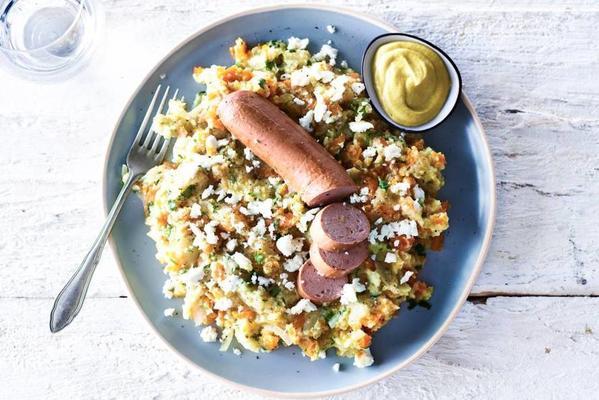 20 minMain dishceleriac, unsalted butter, fine mustard, vegetarian smoked sausage, stew vegetables, fresh parsley, white cheese,celeriac stew with vegetarian smoked sausage (advertorial)
 -
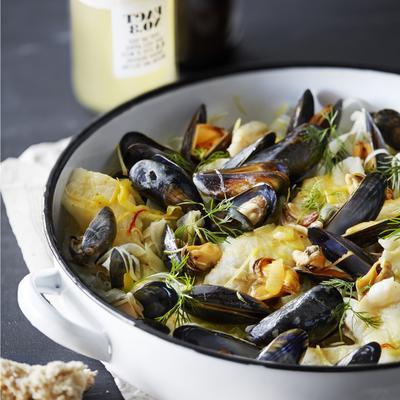 15 minMain disholive oil, onion, fennel bulb, garlic, saffron, lemon, mussel, white beer, fish fillet, butter,fish dish with fennel and white beer
 -
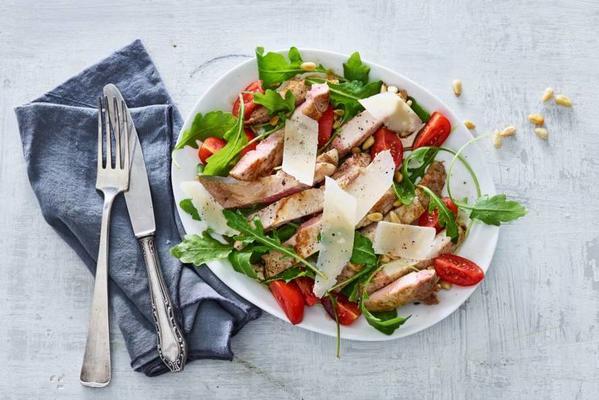 20 minMain dishWorld of meats iberico presca, traditional olive oil, salt, Tabasco, pine nuts, romatomat, arugula, balsamic vinegar, Parmigiano Reggiano,iberico presca tagliata
-
The color of butter depends on the season. When the cows are in the stable, the butter is paler than when the cows are in the pasture. But because the consumer likes to see the butter light yellow, the product is artificially colored.
But what exactly is in dairy?
-
In the second part of this special you can read what is in dairy and what nutritional values you can derive from it.
-
Click below to read Part 2: All About Dairy Part 2: The Nutritional Value of Dairy